

Origins: 1967 - 1980
“Why Am I Here?”
GATE Founder, John Raatz - Visual Bio, Highlights
One of Four Pages
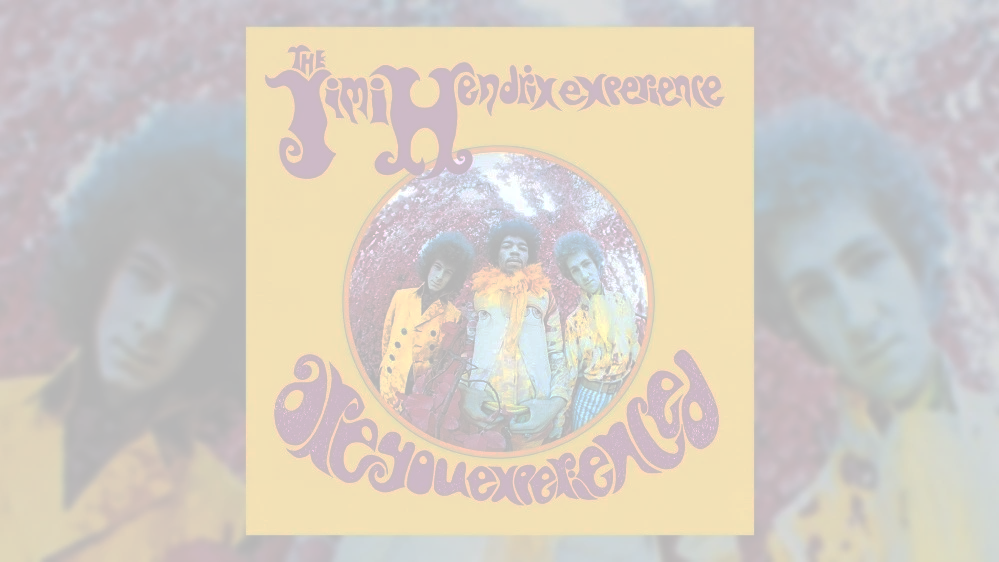
Are You Experienced?
Have You Ever Been Experienced?
Well, I Have.
—JIMI HENDRIX 1967
Note to Prospective Publishers:
The purpose of the following four “Origins” pages is to offer a brief overview of my life and career, including the founding of GATE. They highlight some key moments and developments spanning nearly six decades.
These pages are intended to give a prospective ghostwriter an initial sense of my story and provide entry points for questions that can guide exploratory conversations as we consider developing this material into a book.
The following four “Origins” pages present selected excerpts from a prospective memoir. They highlight pivotal moments in my life and career that ultimately converged in the founding and ongoing evolution of GATE.
These moments are not intended as a complete biography. Rather, they are signposts—experiences, turning points, and insights that reveal the deeper threads shaping my life’s work. Seen together, they illustrate how seemingly separate paths gradually intertwined: a lifelong fascination with consciousness and human transformation, a professional journey within the entertainment arts and media, and the eventual emergence of GATE as a vehicle through which these interests could be explored and expressed.
Over time, it became clear that these threads were not accidental intersections but part of a coherent trajectory. Each phase of my personal exploration and professional career contributed essential elements—creative, philosophical, and practical—that would later inform the vision and mission of GATE.
The excerpts that follow therefore serve as an origin story: not only of an organization, but of the ideas, experiences, and motivations that gave rise to it. They reflect the gradual formation of a central and enduring purpose in my life—one devoted to exploring consciousness, fostering transformation, and engaging the powerful communicative tools of media and the arts to help bring these explorations into the wider world.
In this sense, the founding of GATE represents less a beginning than a culmination—an expression of themes that had been unfolding across many years, ultimately converging into a single creative and philosophical endeavor.
Gratefully… Life Offers Clues
Looking back now, I recognize how quietly and faithfully my life was preparing me for the birth of GATE. Life is generous with signs, though rarely explicit. It speaks in symbols, coincidences, and subtle invitations. Only after enough steps have been taken does the pattern reveal itself, and I came to understand that everything I had lived was guiding me toward this moment of creation.
At the time, the moments felt separate—unrelated chapters rather than a single story. Yet in hindsight, I can see the invisible thread running through them all, weaving experience into meaning, curiosity into calling. What once appeared fragmented now feels exquisitely intentional.
I believe each of us arrives with a singular purpose, sometimes surrounded by smaller, preparatory purposes that refine us along the way. When we pause to reflect, the shape of that purpose begins to emerge—not through logic alone, but through resonance. It unfolds as if guided by a deeper, universal intelligence that knows us better than we know ourselves.
The details of that journey are unique for every soul, but the principle is the same: life leaves clues. For me, every path—no matter how winding—led toward transformational entertainment, toward the alchemy of story, sound, and image as a gateway to expanded consciousness.
What follows are some of those clues, drawn from what I know to be a blessed life. I offer them as an invitation—to see your own signs more clearly, and to join me in a shared quest for global unity, rooted in the profound and timeless connection between consciousness and art.

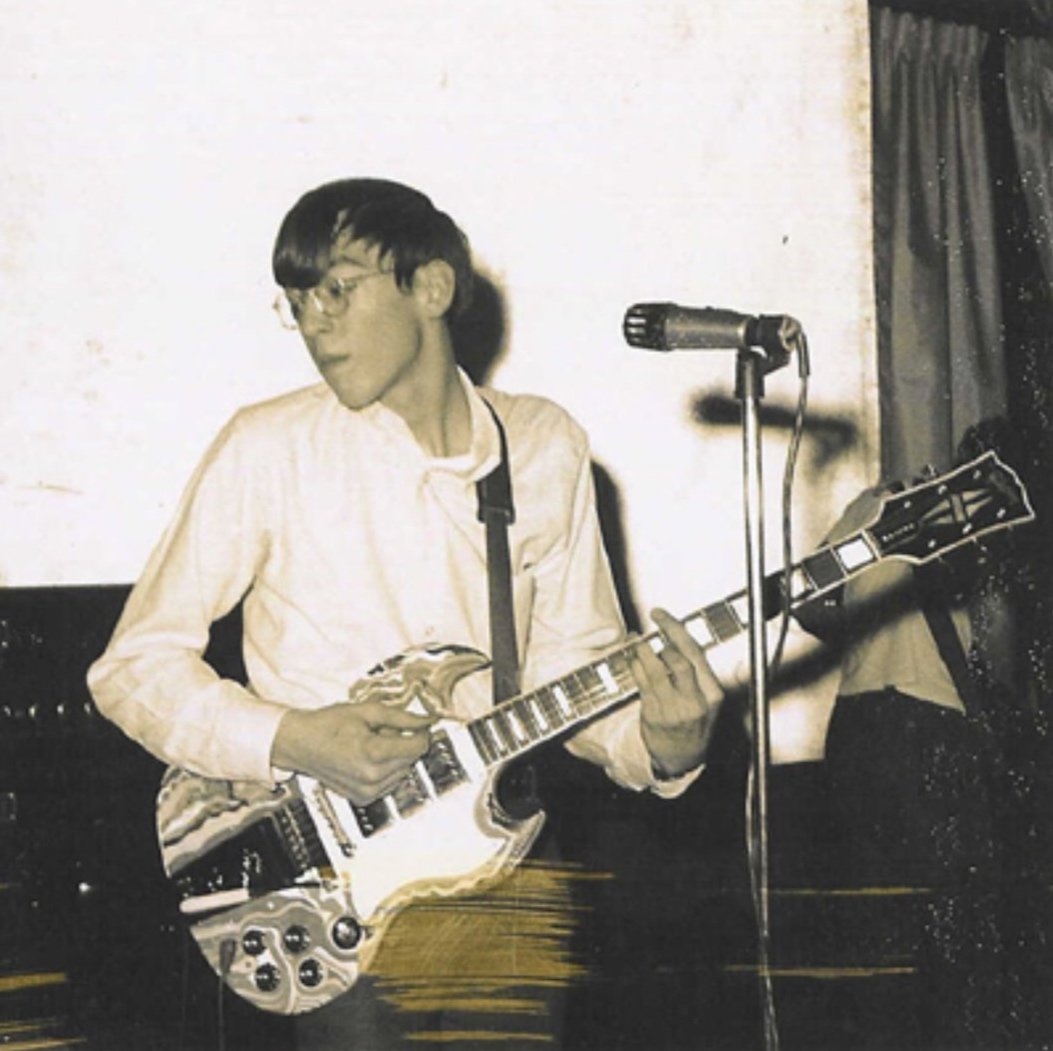
Steve Trembley was my first guitar mentor. A popular local guitarist who played in a band called “The Moods,” Steve was someone I truly looked up to, and I always appreciated his encouragement and support.

I borrowed it and took it home, eager to begin.
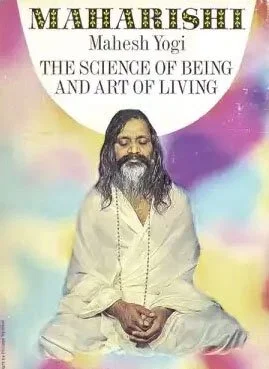
Reading the book was not easy for me at the time. My mind was still untrained in philosophical or spiritual language, and much of the content felt dense and difficult to fully comprehend. Yet something remarkable happened as I read. Beneath the surface of the words—beyond my intellectual grasp—something deeper responded.
It was as if the text spoke directly to an inner knowing, a pre-verbal level of understanding that did not require analysis. I felt an immediate sense of recognition, almost like remembering something I had always known but had never articulated. There was a quiet certainty, a feeling of being “at home” in the ideas, even when I could not fully explain them.
Though I struggled to understand Maharishi’s teachings conceptually, they stirred within me a profound resonance—something ancient, intuitive, and unmistakably true. In that moment, I sensed that his words were pointing toward a universal reality, one that transcended culture, language, and time.
And even without full comprehension, I knew I had encountered something real.
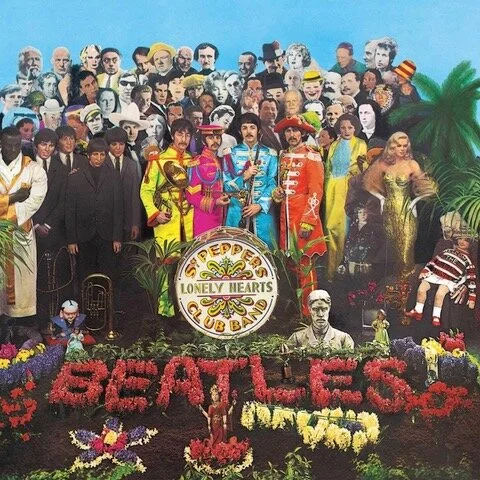
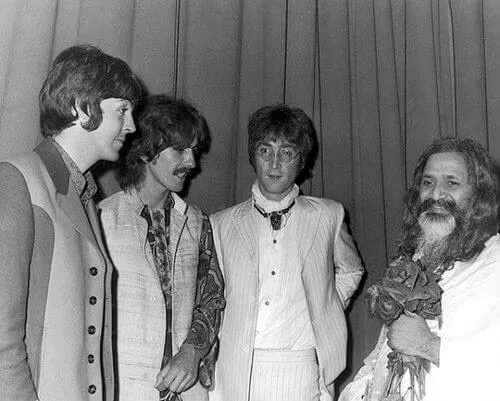
The Beatles and Maharishi
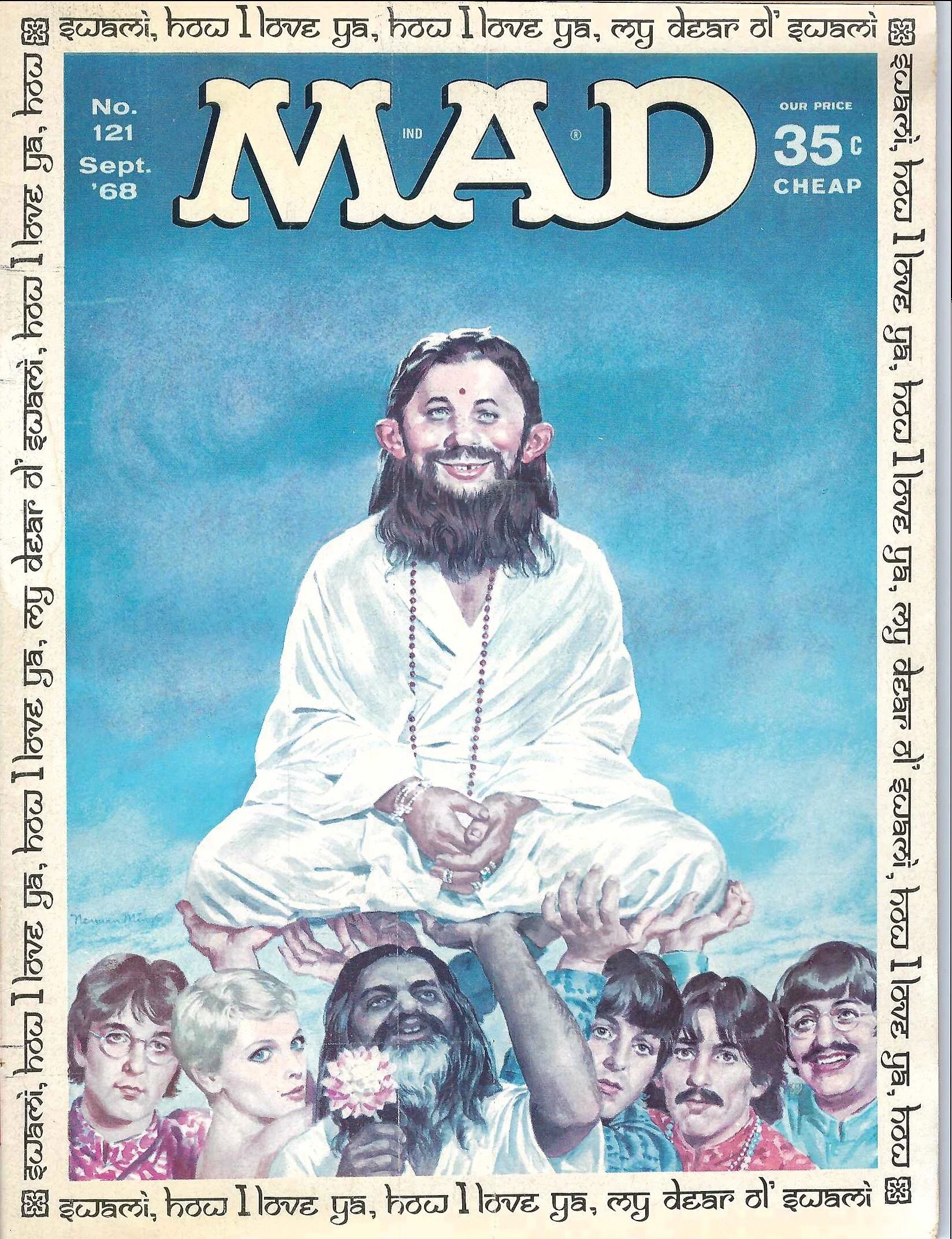
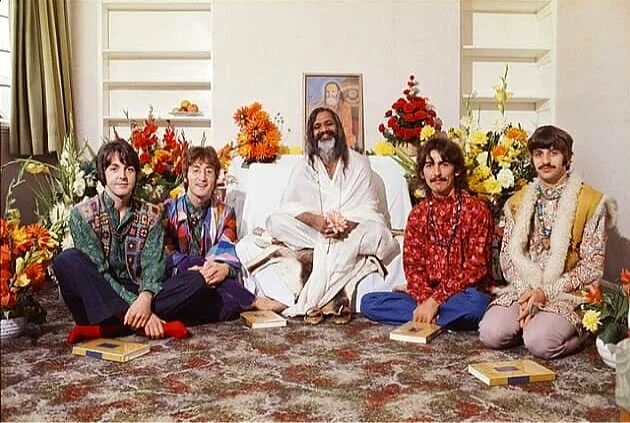
I first learned of The Beatles’ meeting with Maharishi Mahesh Yogi through coverage in the Detroit Free Press and on local television. It was a prominent story at the time—almost surreal in its implications. The Beatles learning meditation! The cultural icons of my generation turning inward in search of something deeper immediately captured my attention.
At that point in my life, I had already begun to awaken to spiritual ideas. I had experienced what I can only describe as early “initiations”—moments of heightened awareness that hinted at a deeper dimension of existence. Combined with my love of music, and especially my admiration for The Beatles, the news of their connection with Maharishi resonated profoundly. It felt like a convergence of two powerful currents in my life: the artistic and the spiritual.
To say I was interested would be an understatement. Had a qualified teacher of Transcendental Meditation been available in Flint, Michigan in 1967, I would have begun the practice without hesitation. However, TM would not become available in Flint until 1973—years later than I was ready.
Undeterred, I sought out whatever connection I could find. I went to the Flint Public Library in search of a book by Maharishi. To my surprise and quiet delight, they had a copy of The Science of Being and the Art of Living.
John’s Musical Past...Early Days in Music


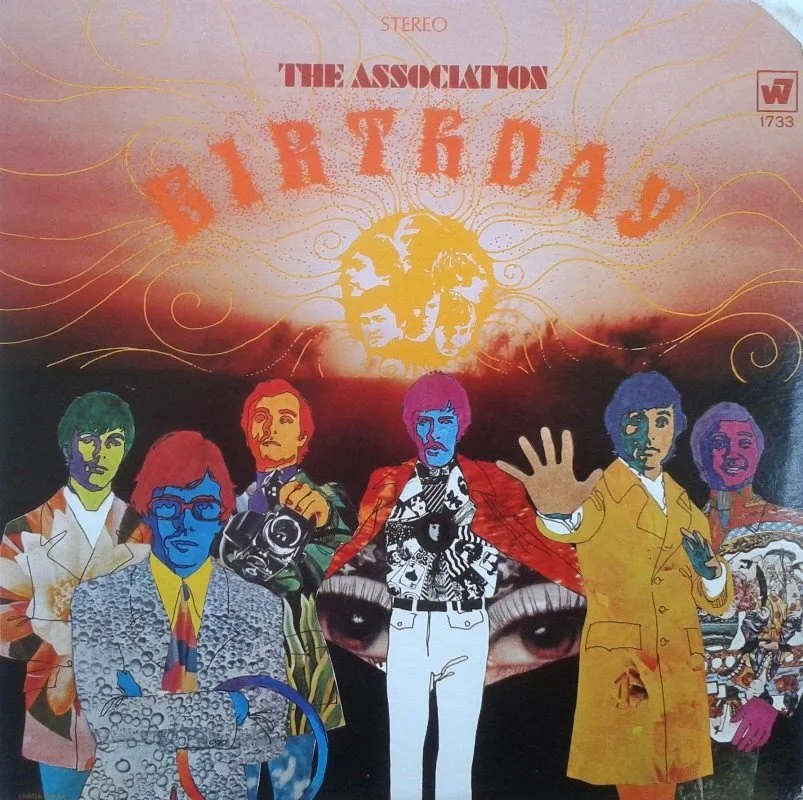
In 1967—just before they took the stage at the legendary Monterey Pop Festival—The Association stopped in Flint for a concert at the Whiting Auditorium.
At the time, a friend’s father managed the Whiting. Because of his position there, my friend and I were invited backstage after the show. For me, it was an extraordinary opportunity. The Association were in the middle of a successful national tour, performing the songs that had quickly become staples of the radio—“Cherish,” “Windy,” “Along Comes Mary,” “Never My Love,” “Everything That Touches You,” “Six Man Band,” and others that filled the auditorium that night.
For a young music fan, it was my first time ever going backstage after a major concert—and meeting the band whose songs I had heard so many times.
The group’s frontman, lead singer, and principal songwriter, Terry Kirkman, was especially welcoming. After we were introduced, he took a few minutes to talk with me. Looking back, what still surprises me is how generous he was with his time. He asked about my interest in music, offered a few words of encouragement, and shared some advice that I carried with me long afterward.
For a brief moment, I was seeing up close what a pop-rock star looked like—not just on stage under the lights, but in person: thoughtful, approachable, and willing to encourage a young musician.
That encounter with Terry Kirkman left a lasting impression. It was a small moment in the larger sweep of music history, but for me it was formative. Even now, decades later, the memory remains vivid—a reminder of how a few kind words from someone you admire can stay with you for a lifetime.
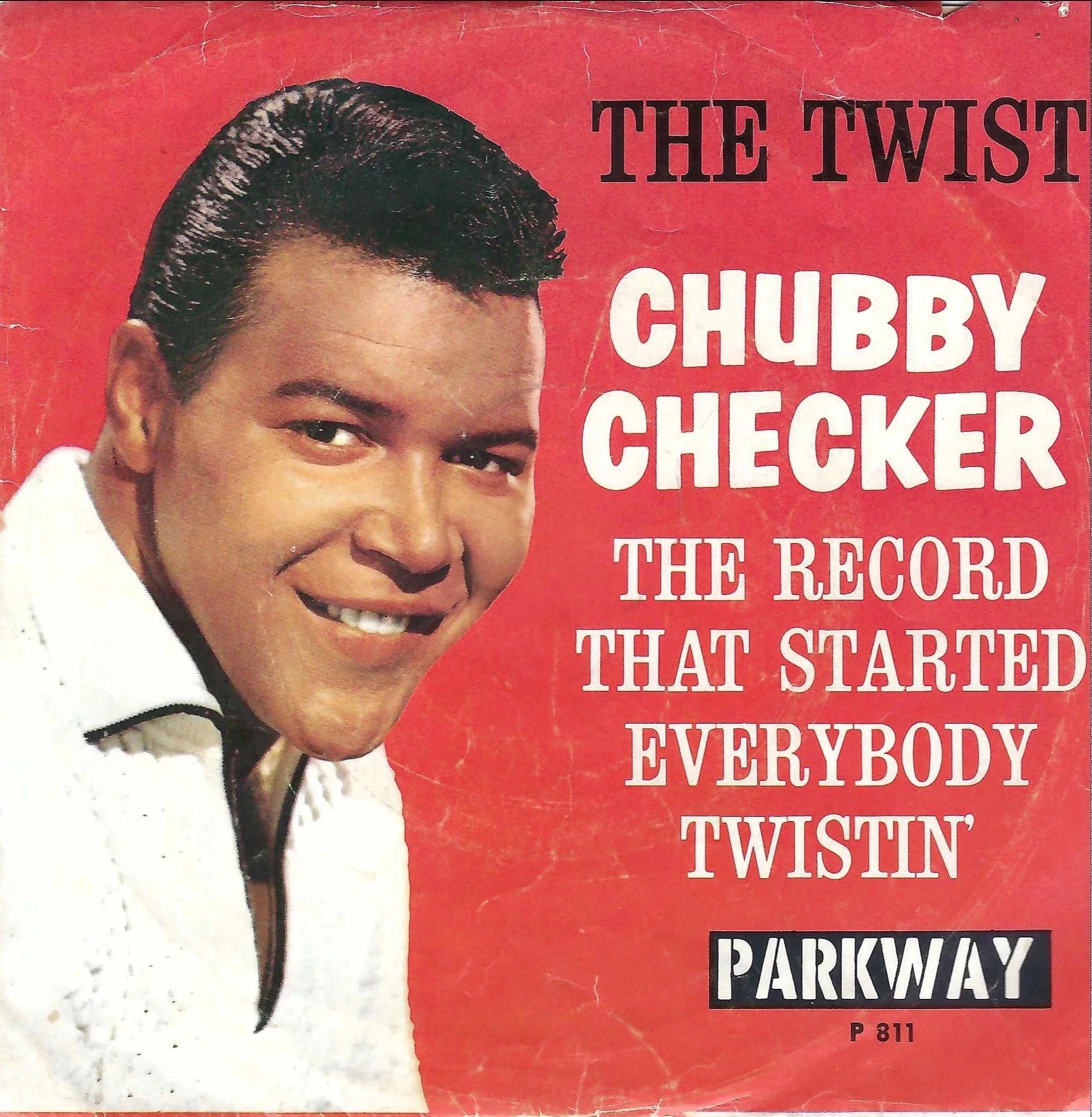
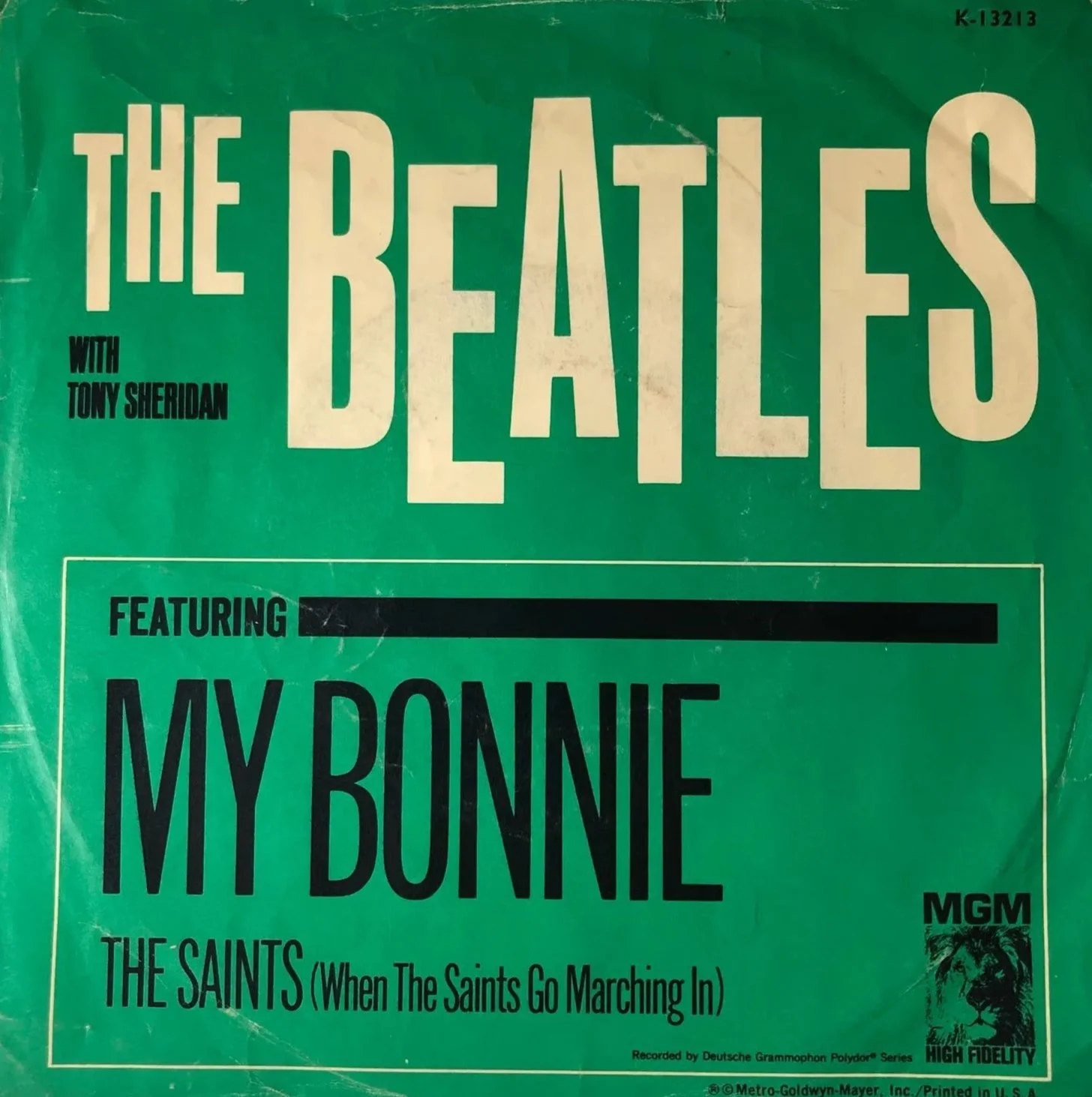
Chubby Checker’s “The Twist” and Tony Sheridan’s “My Bonnie,” recorded with the Beatles, were two of my favorite records—I played them over and over again. They had a huge influence on me and helped shape my early dream of playing guitar in a rock band.
1967 — 1968: Earliest Spiritual Experiences
At the age of eleven, I underwent my first two spiritual awakenings—quiet, unannounced doorways that opened into something vast.
The first arrived one afternoon in my bedroom as I sat practicing guitar. Without warning, the geometry of experience shifted. Space seemed to soften, then fold inward. Suddenly, I was there—entirely present, unmistakably awake.
Seeing itself dissolved into the fretboard; my fingers, the strings, and awareness moved as one continuous gesture. The usual sense of distance collapsed. As the shift deepened, my body joined the synthesis, no longer an object I inhabited but a living current within the act of playing. Attention narrowed into a single, crystalline point of clarity, and as it did, the background of the world fell away. The experience lingered, breathing outward, extending beyond the room, beyond the walls, as though presence itself had no boundary.
The second experience unfolded some time later in my parents’ living room. I was sitting quietly, reading the newspaper, when a low, cosmic hum emerged—subtle at first, then unmistakable. It drew my attention away from the page, away from my body, even away from my father sitting nearby. The sound did not exist in space so much as as space.
It felt like the sonic twin of the earlier perceptual opening. As I surrendered to stillness, the hum carried me inward, guiding me into a spontaneous meditation on sound itself—listening without a listener, vibration without a source.
Together, these early expressions of consciousness planted a seed within me: a longing to understand life not merely as it appears, but as it reveals itself from within. From that moment on, the surface of things was never quite enough.
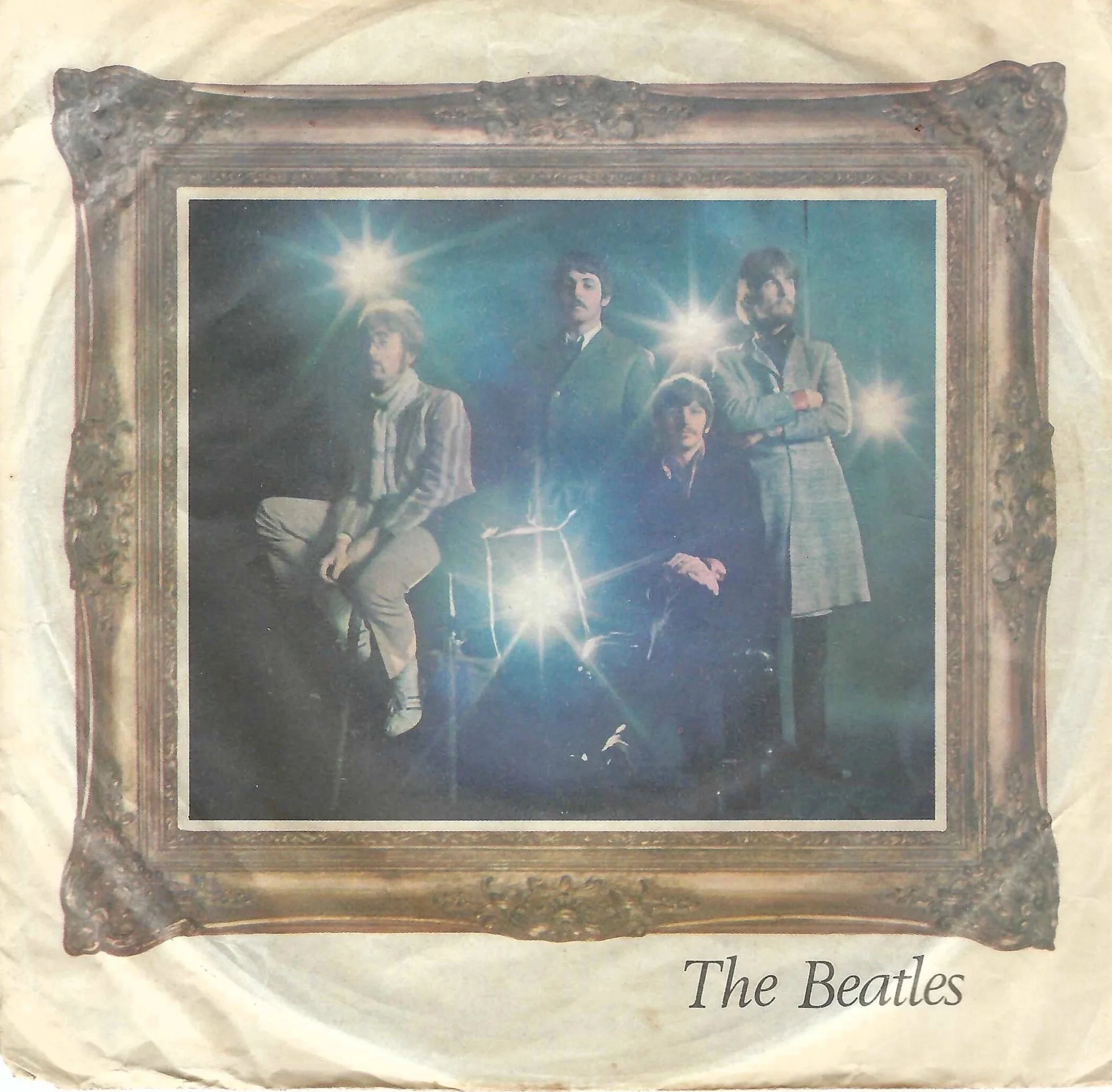
My love of music became evident as early as 1962 as I ravenously consumed my parents and sisters’ LP collections and listened for hours to my father playing violin in the wee hours of the morning.
Though he was an engineer/designer by trade, his true love was music. Familial responsibilities prevented him from pursuing a professional music career. I inherited his desire.
1968 - 1974: Raven Red and Rush
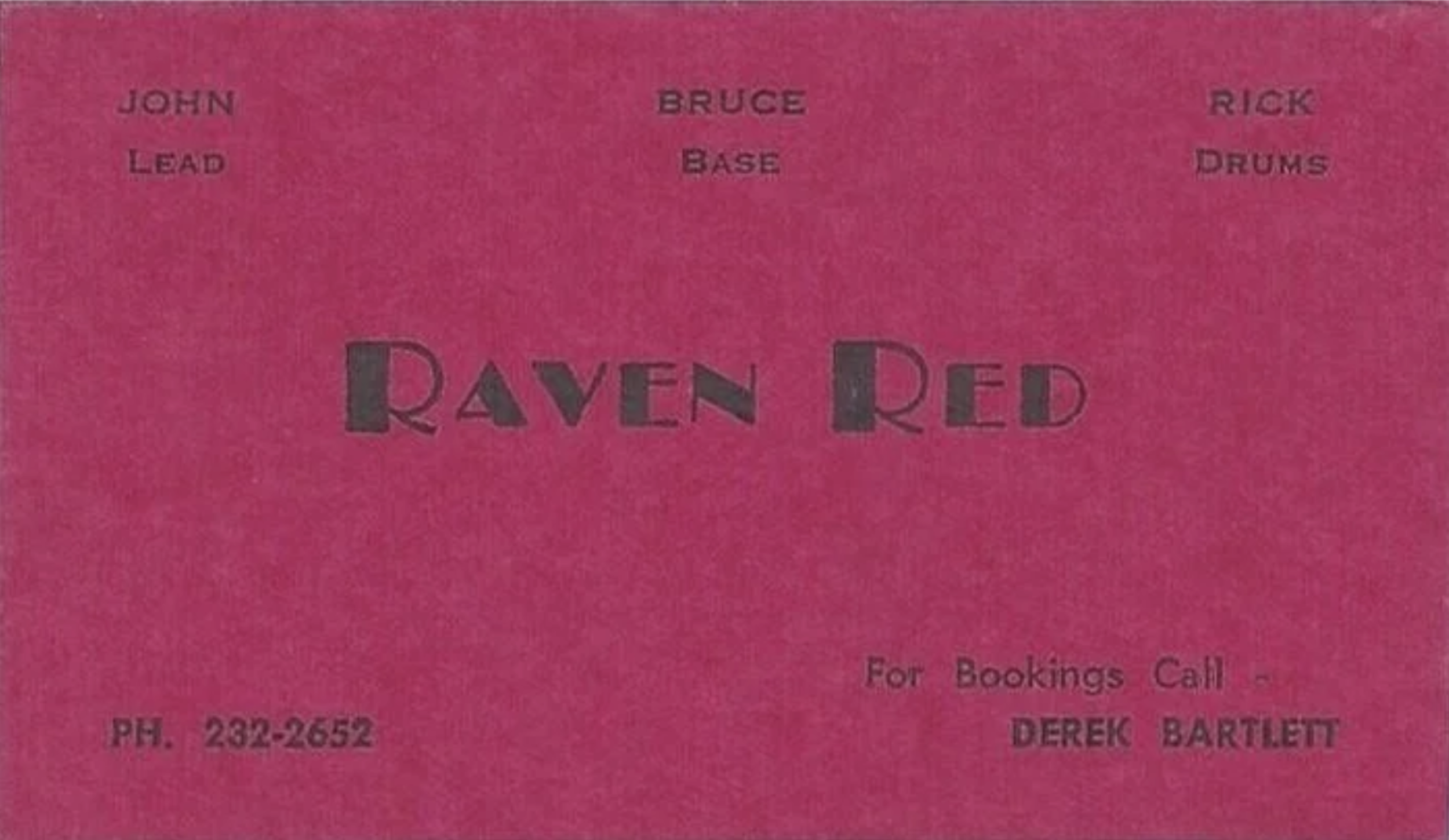
Introducing... "Raven Red." My first professional music experience.
Our band name was inspired by the Edgar Allen Poe poem, "The Raven."
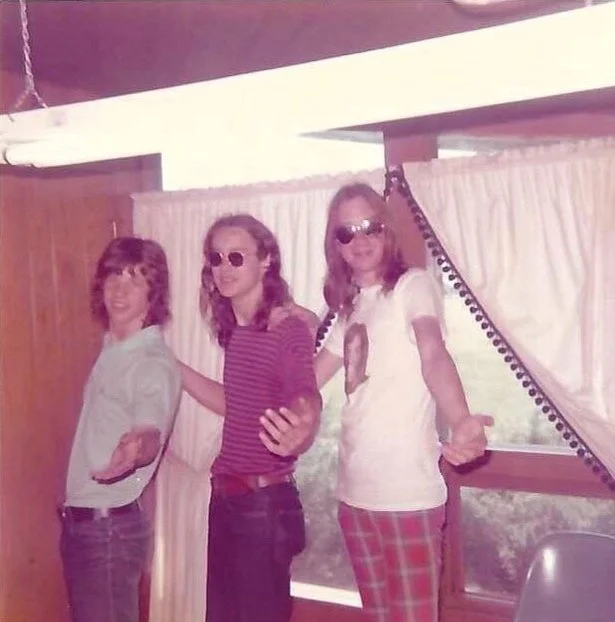
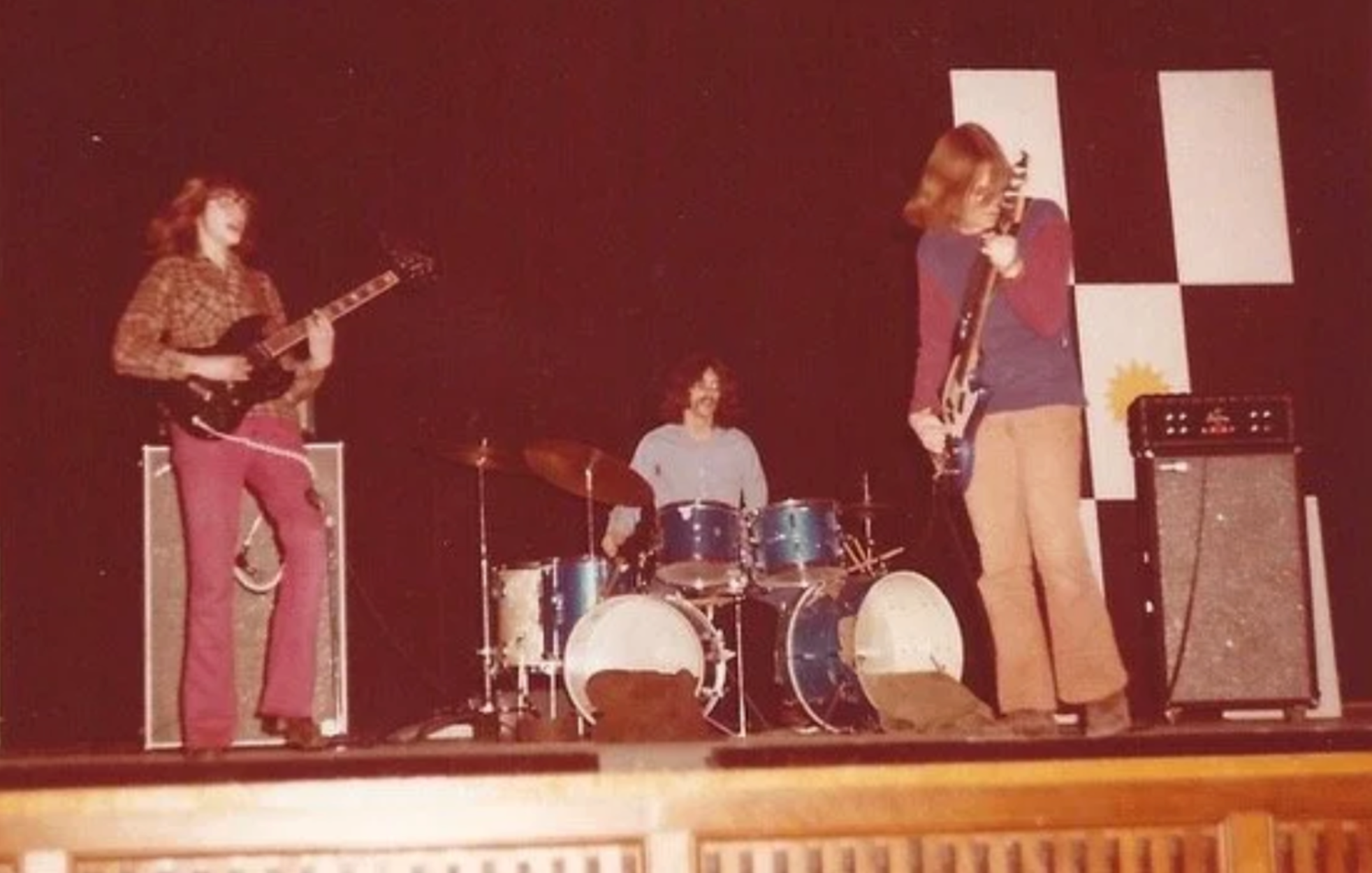
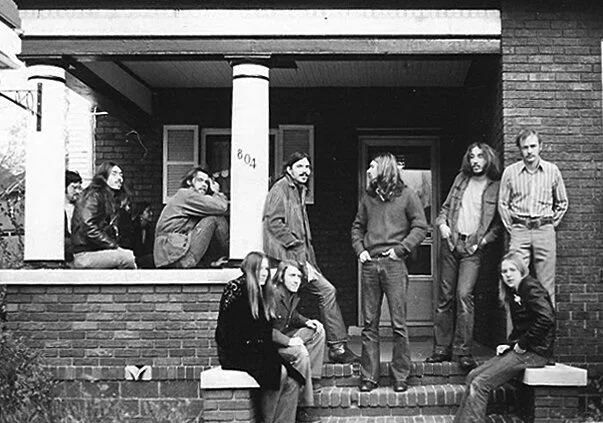
The members of Raven Red (pictured here) were: John Raatz - Lead & Rhythm Guitar, Drums and Backing Vocals
Rick Farner - Drums, Rhythm and Lead Guitar & Lead Vocals Bruce Crawley - Bass & Backing Vocals
I gave my first “concert" for some neighborhood girls in 1963, in the basement of my parents’ home in Flint, MI., lip-syncing and playing “air guitar" to "My Bonnie” by Tony Sheridan and The Beat Brothers (aka The Beatles).
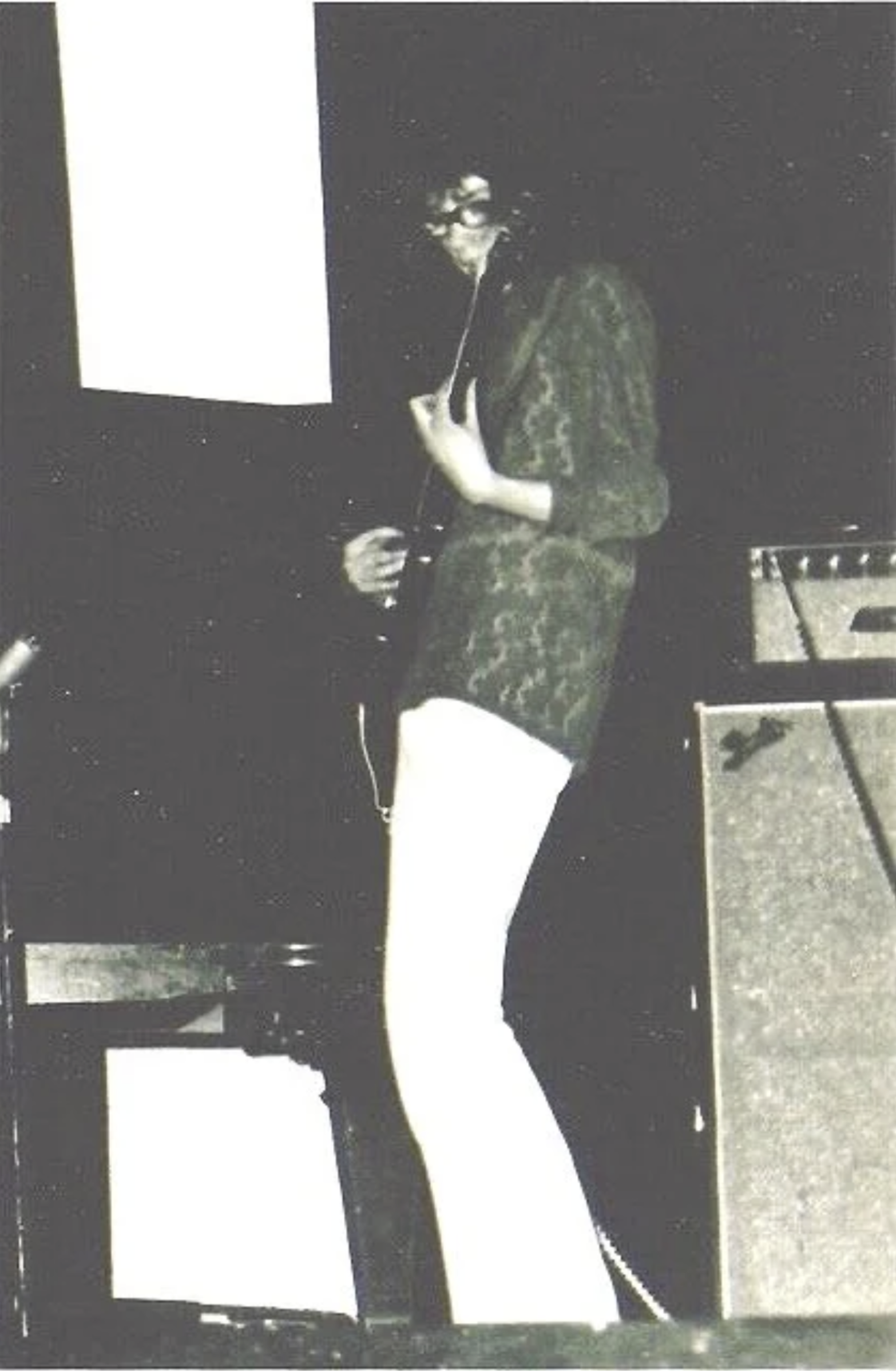
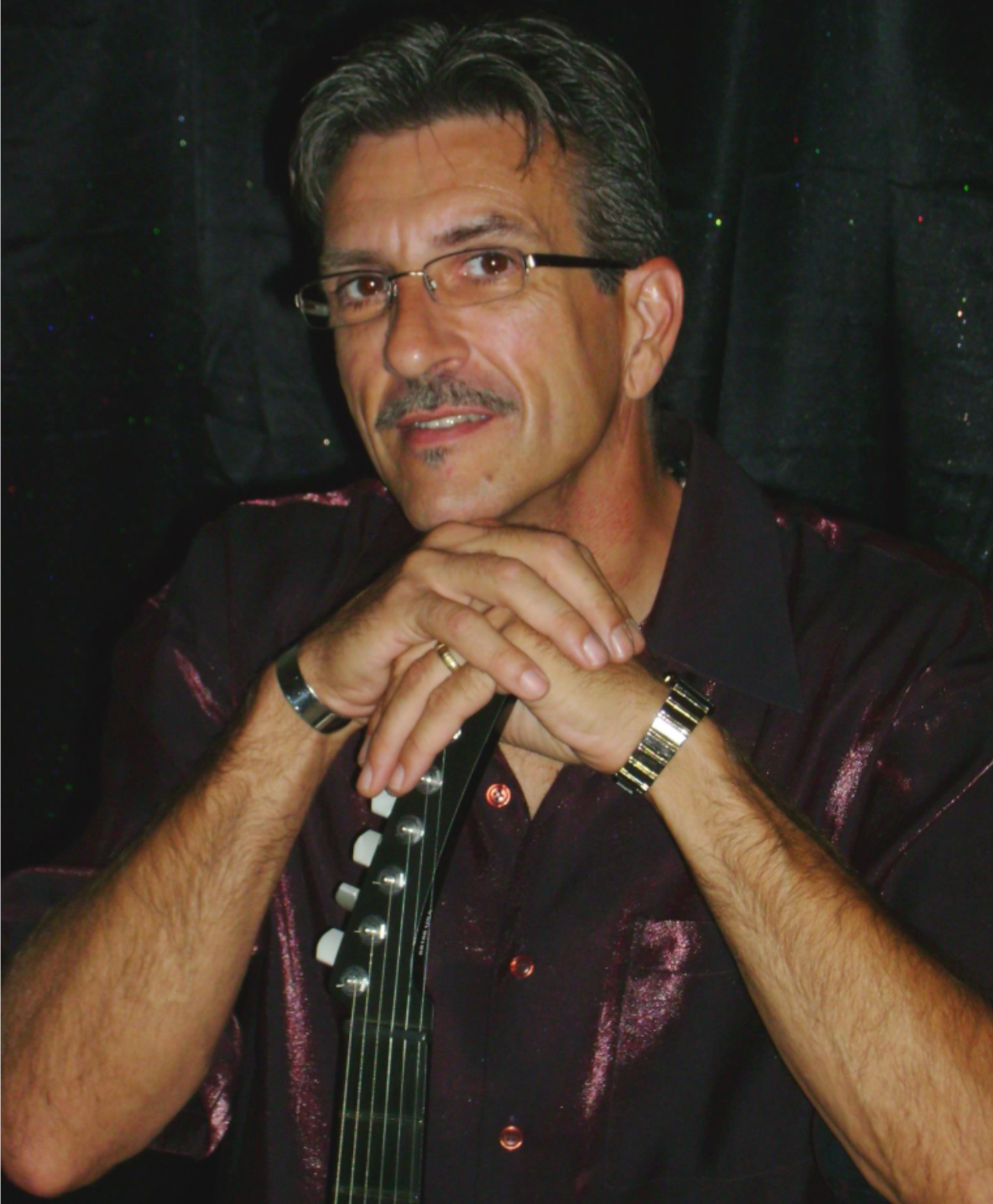
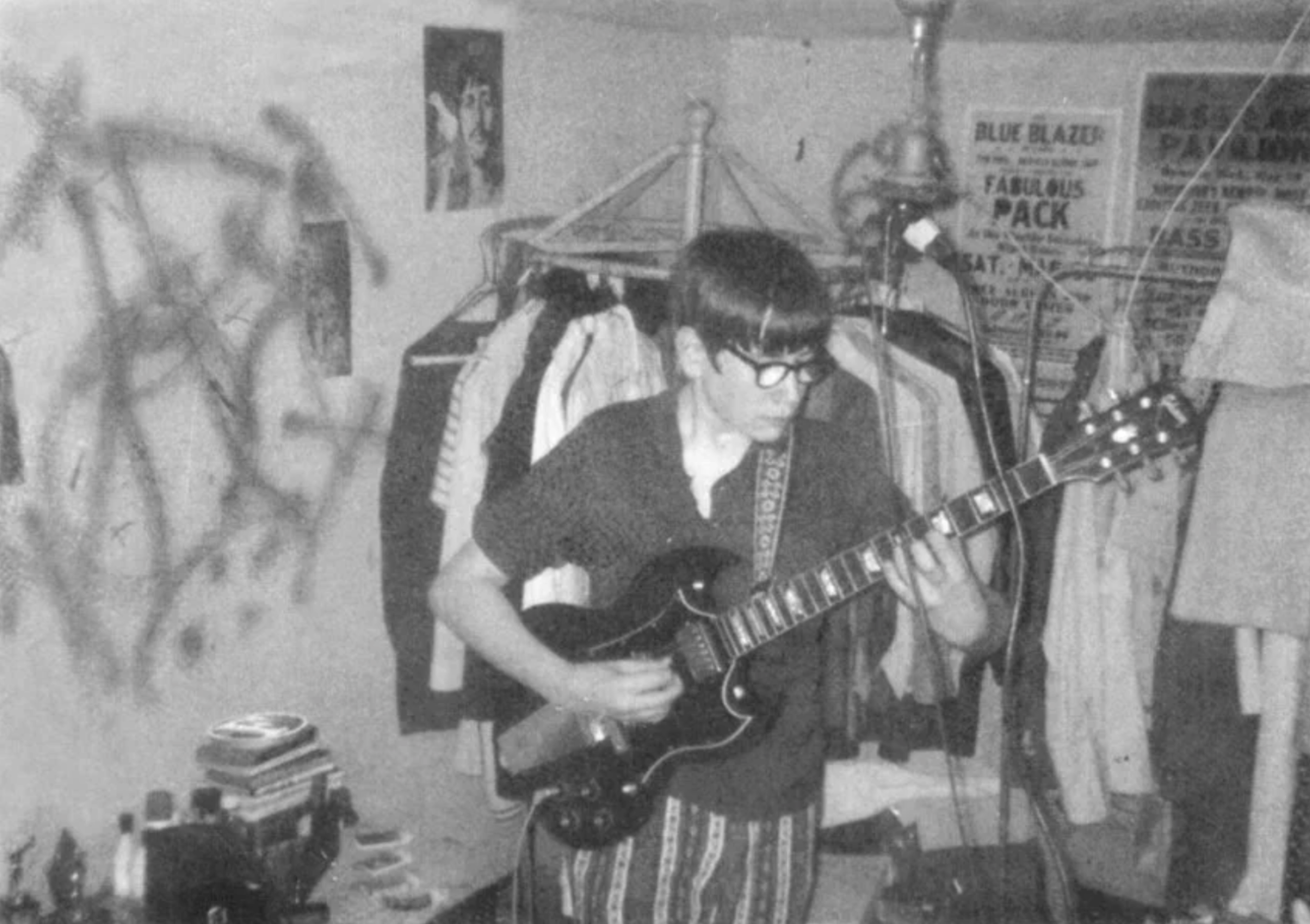
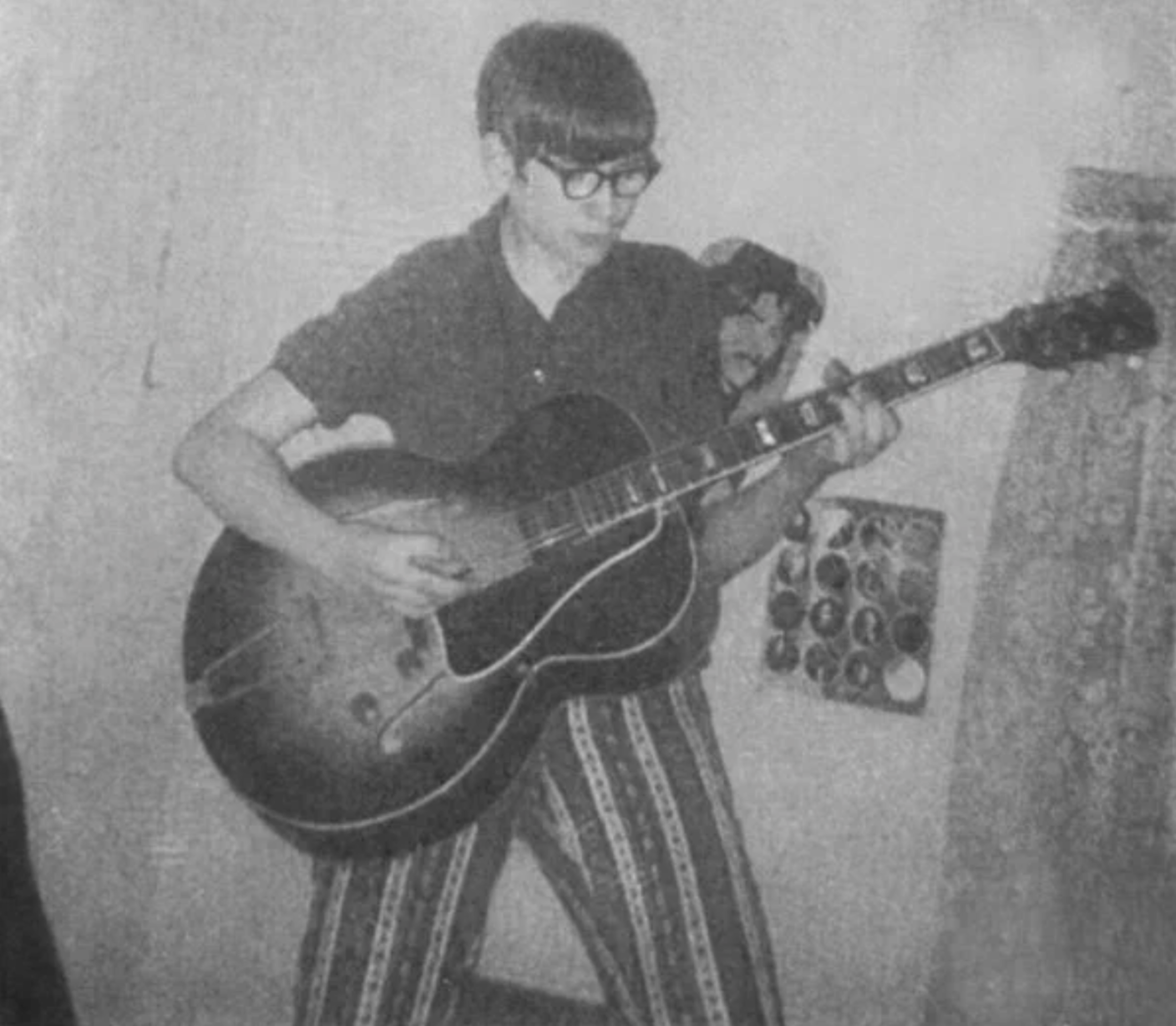
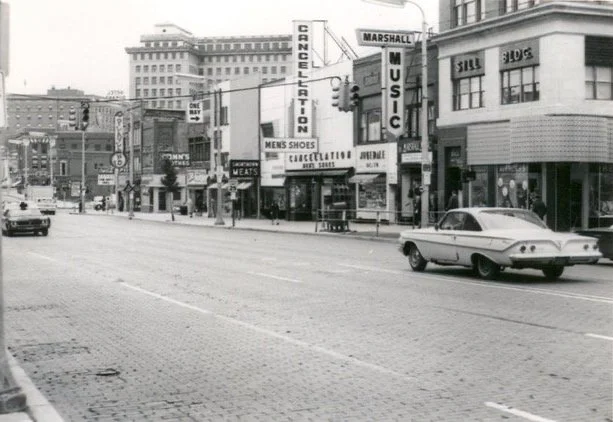
The guitar I'm playing, in the photo with the Fabulous Pack poster behind me, is a 1968 Gibson SG Standard. When my parents saw how serious I was about playing the guitar, after a few years of forced piano lessons, they bought it for me from Marshall Music in Flint. I had been playing a cheap Sears Silvertone guitar before the SG. I wish I still had both of those guitars!
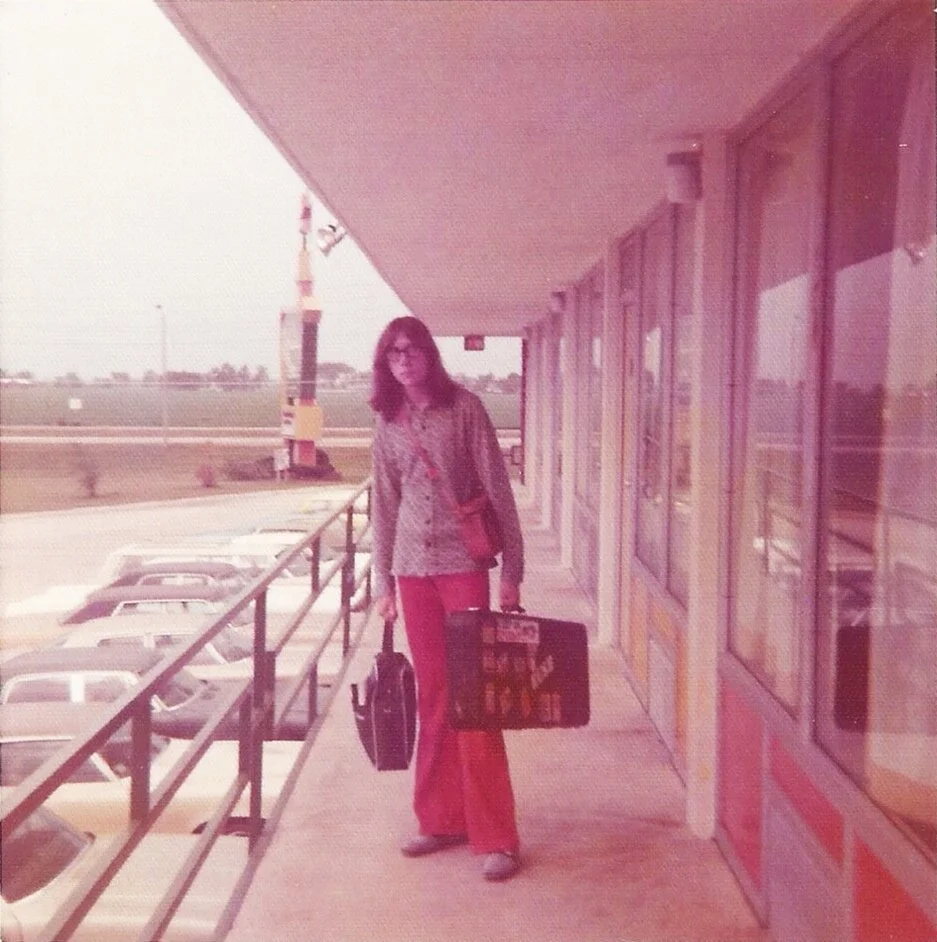
My everyday, and stage, fashion sense was more developed in those days. And yes, I was much thinner! It was stylish in the forms of London's Carnaby Street, Michigan's psychedelic clothes emporium, Chess King and the local head shop / boutique, Touch.
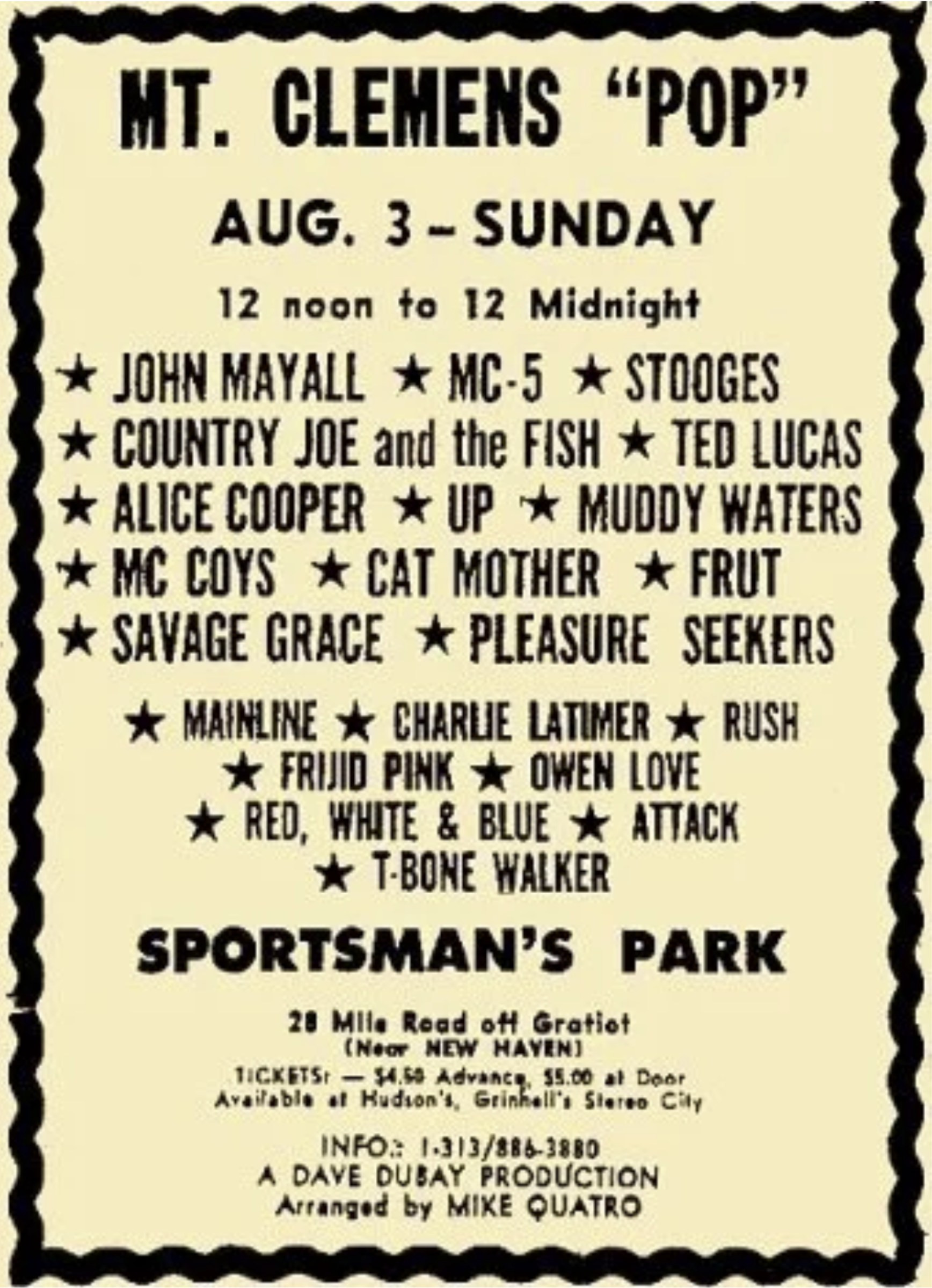
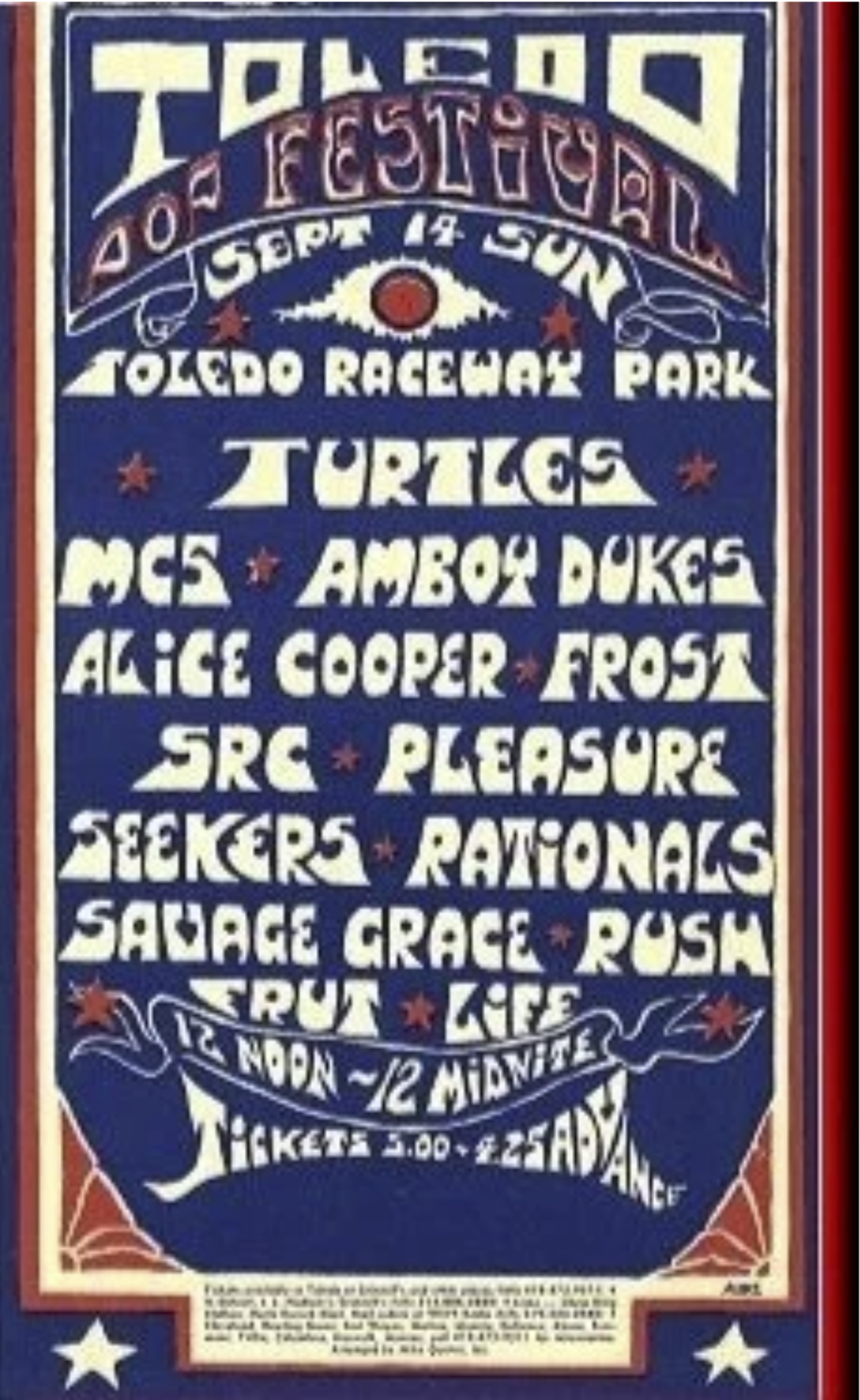
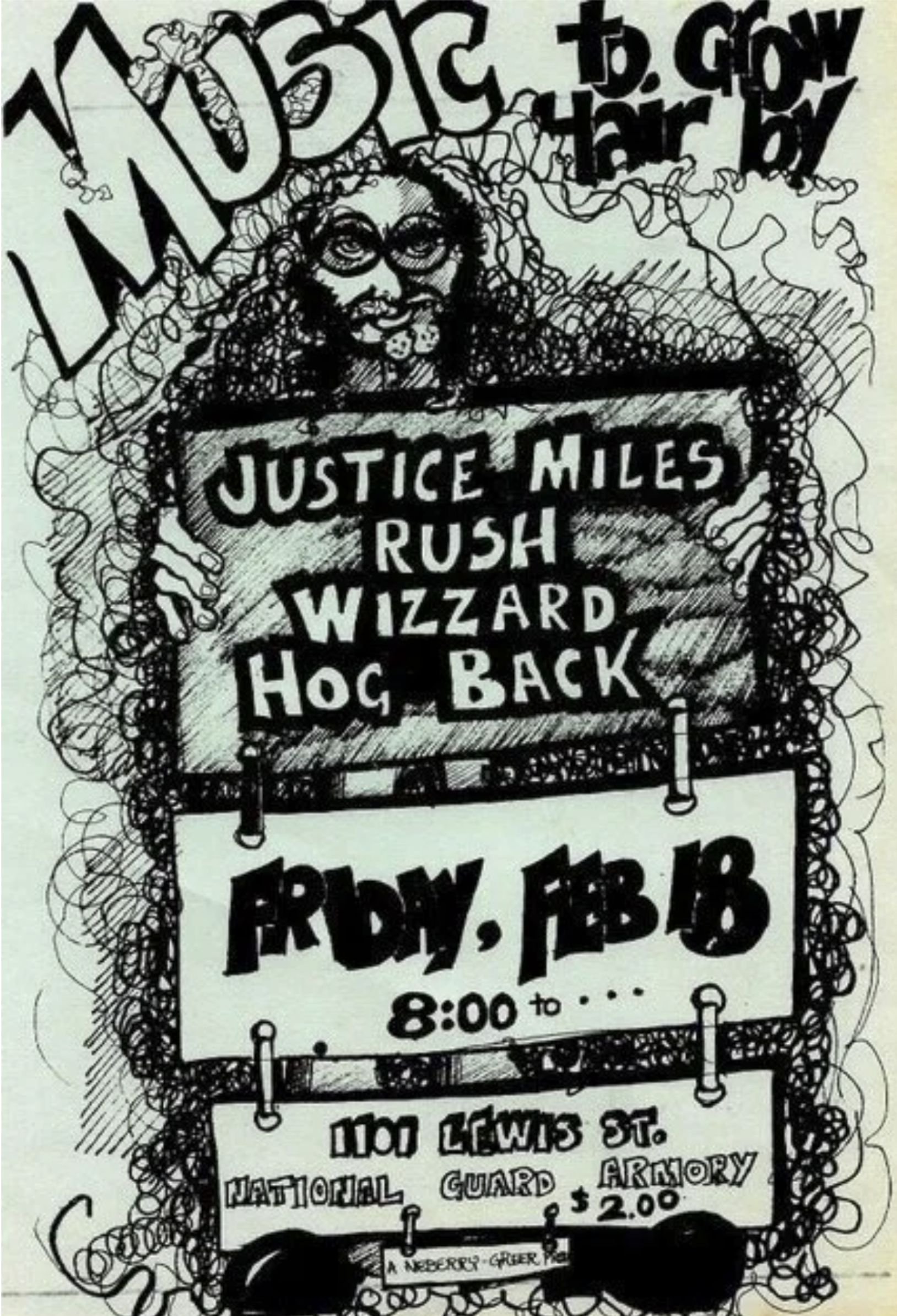
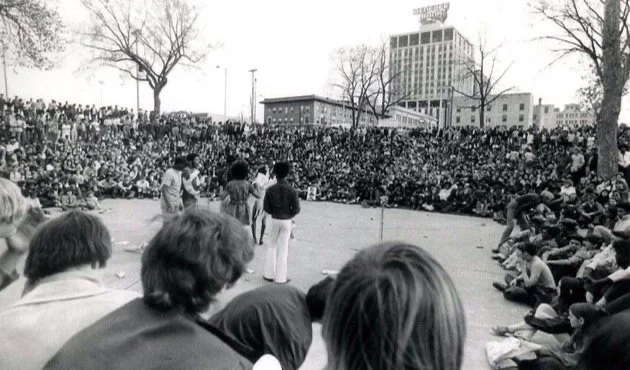
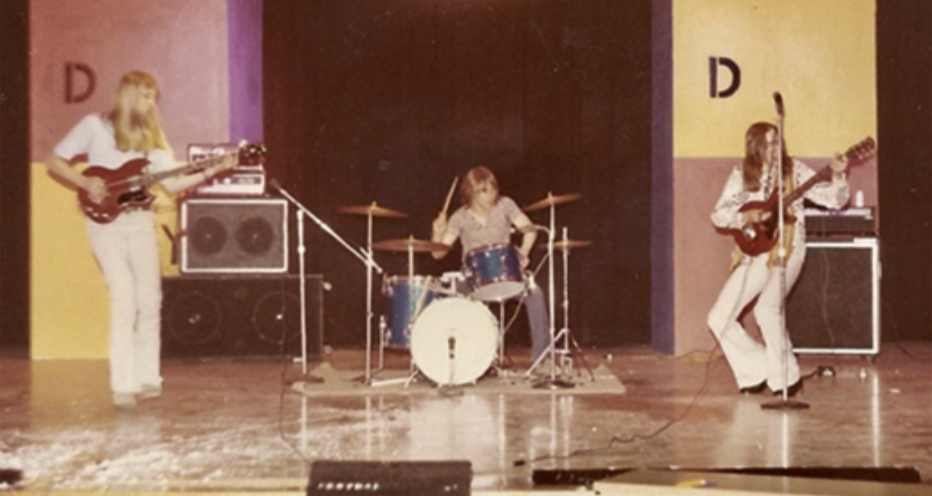
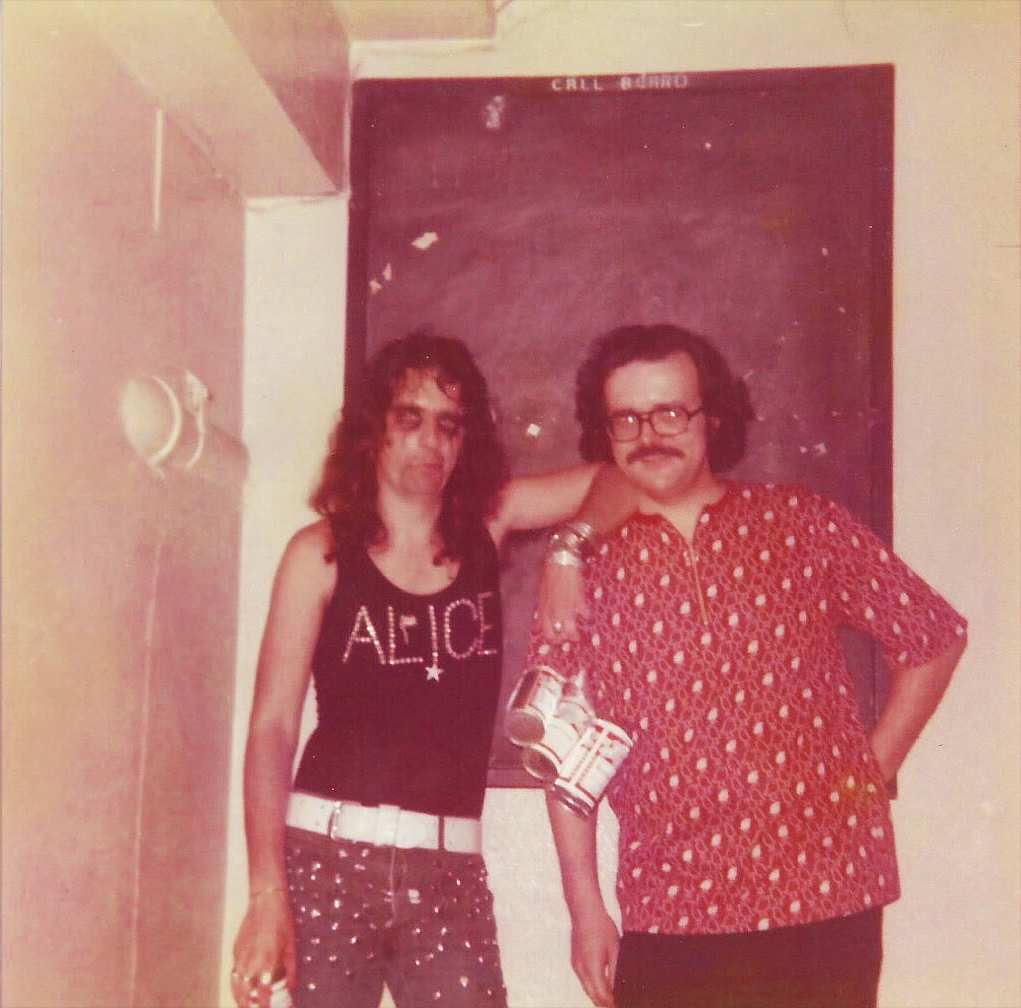
Raven Red played in schools, armories, ballrooms, malls, parks and auditoriums. We played in battles of the bands, which were popular in those days, and we opened for nationally touring artists such as Alice Cooper, Edgar Winter, the legendary MC5, Iggy and the Psychedelic Stooges (The Stooges) and many seminal Michigan bands. I especially loved gigs that featured Fillmore inspired psychedelic liquid light shows popular in those days. Being on stage in front of hundreds and thousands of people, is an unforgettable experience. Michael Moore would occasionally take the stage before we played to promote his underground newspaper, the Flint Freedom Reader, co-founded by Mark Farner, and whatever political / social cause he was on to, like the Flint Free Clinic.
Those times were filled with youthful adventure, experimentation in many forms, and for me personally, the deepening of my inner journey. Richard Strickland, owner of Middle Earth Books, a metaphysical bookstore located in Touch Boutique, my favorite head shop and where I worked part-time at Off-The-Wall Records, was instrumental in introducing me to the finest spiritual literature of the day that would be foundational in my life.
Rick, Bruce and I would remain band mates and friends for years to come. We shared many remarkable experiences. Rick and I are still friends and in contact to this day. Bruce died in 2010. RIP.
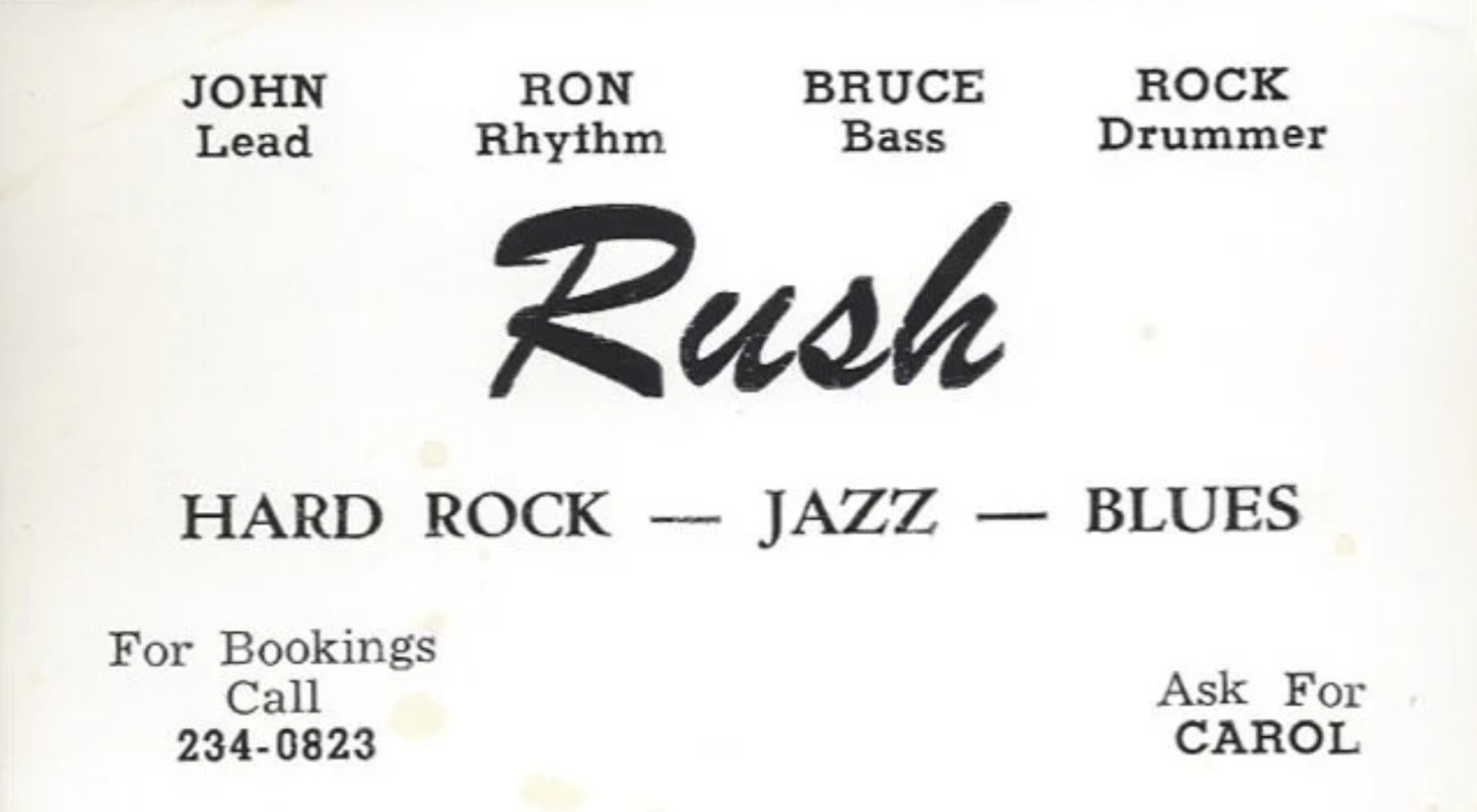
Rush, a future musical incarnation of Raven Red was another fan favorite and more musically evolved and I stayed with Rush until I stopped performing to pursue other interests, including becoming a teacher of Transcendental Meditation. Rush’s great drummer, Rocco Peraino and I remain friends today.
There’s so much more to share about this period in my life, but ...
We were precocious -- in every way imaginable! I was 13 years old. Bruce was 13. Rick was 14. Early on, our fans proclaimed that we were musical prodigies. I don't know if that was true, but we had many loyal fans and wherever we performed, people loved our music and showered us with appreciation -- in its various forms!
Our preferred musical genre was then characterized as Psychedelic, Hard Rock / Blues. We performed a mixture of original compositions and cover songs. Many of the cover songs we performed showcased my lead guitar skills, which according to many, were formidable and uncannily reminiscent of the styles of Eric Clapton, Johnny Winter, Mike Bloomfield, Alvin Lee, and other notable guitarists of the epoch. Audiences seemed to marvel at the combination of our youth, musical skills and high energy, high decibel music.
One of our roadies, Derek Bartlett, was also our booking agent and the minder / guardian of our "head supplies" and backstage passes!
Before teaching myself to play guitar, I formed my first band with a couple 5th grade school chums, Tom Sumner and Mark Barringer. The band was called "The Young Uns'" and I played... the tambourine! Our first gig was at the Flint Swim & Racquet Club. This was my first public performance. Around this same time, I started seriously learning guitar, motivated, as many musicians are, by the pains of adolescent alienation and rejection. When I strapped my guitar on, I remember feeling a greater sense of self, of confidence and personal power and possibilities.
In 1968, after a few years of intensely focused self-study and practice, alone, in my bedroom, I emerged and started jamming with local musicians and groups.
I co-formed my first real band in early 1969 with bass player Bruce Crawley and drummer Lyle Day. Later that year, I met guitarist, singer/ songwriter, Rick Farner, and we formed a band with Bruce. This was a major turning point.
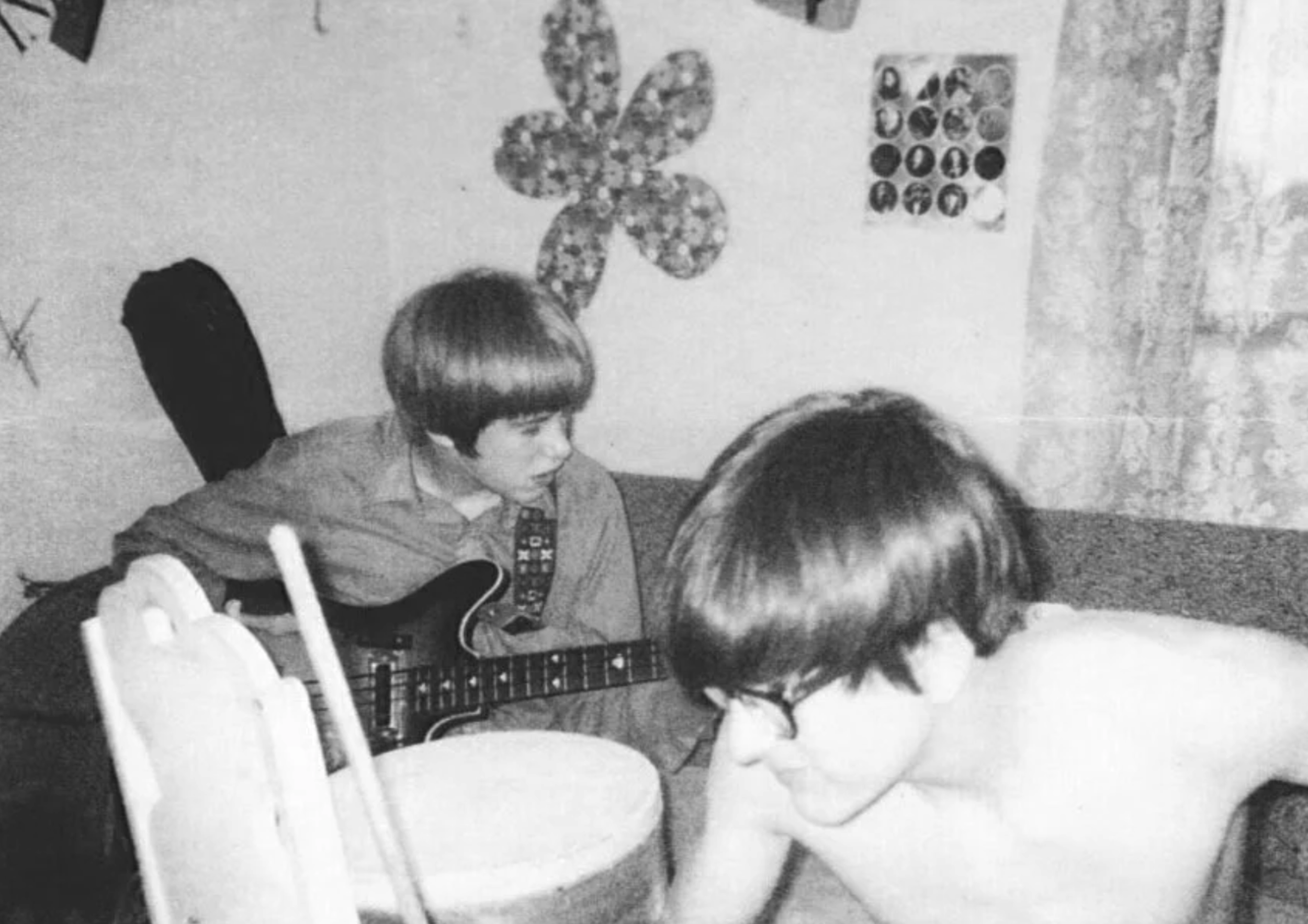
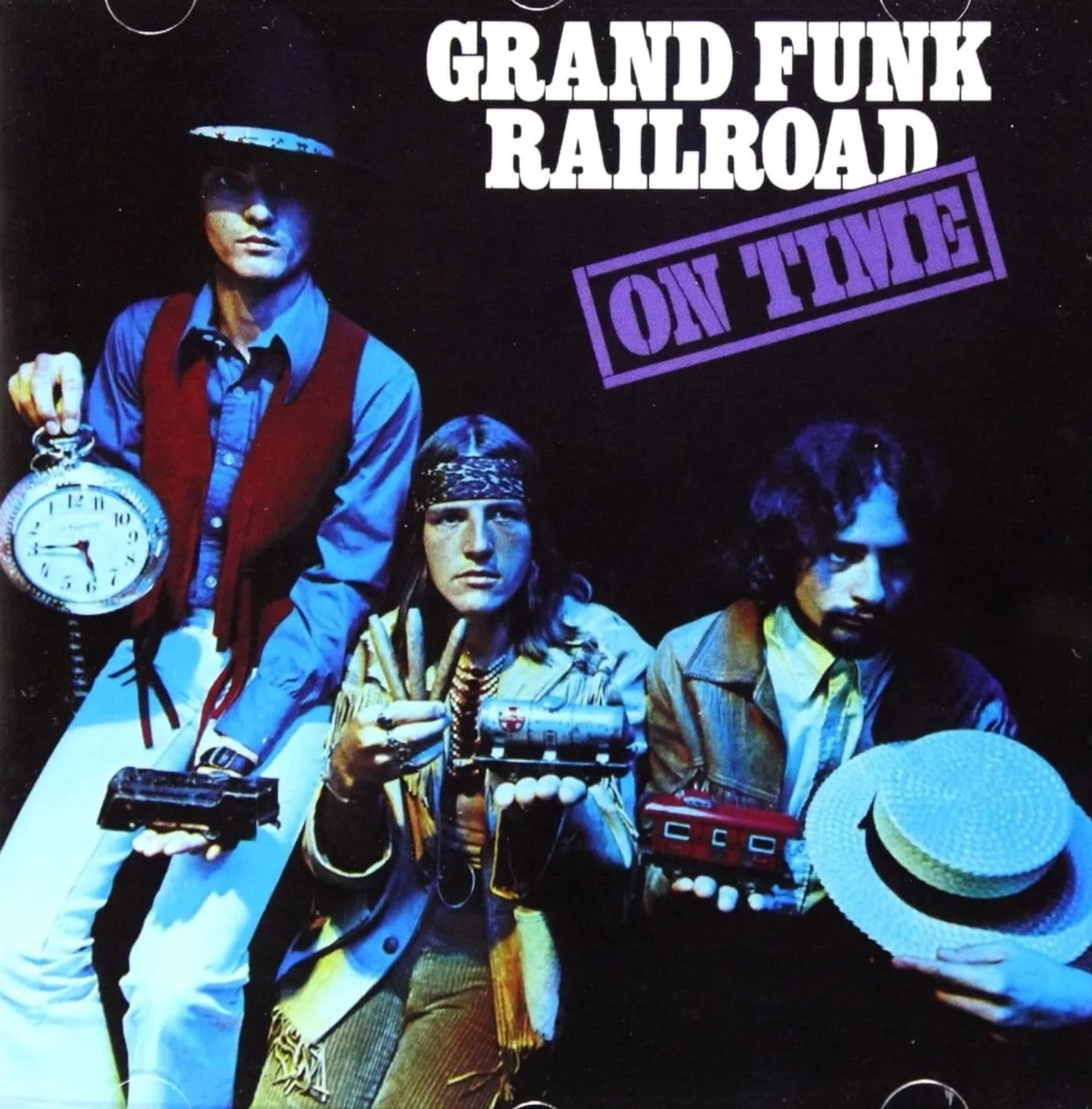
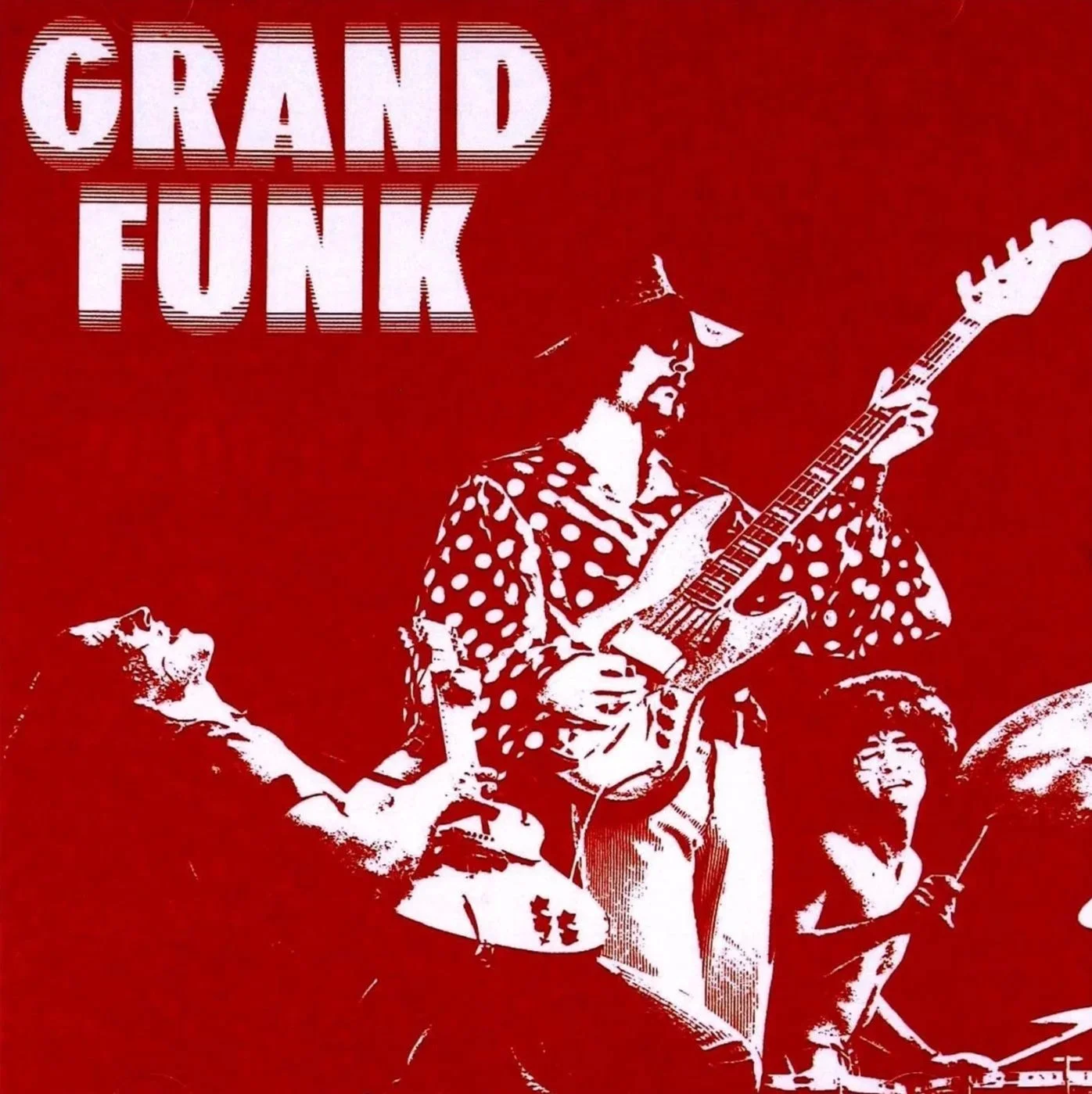
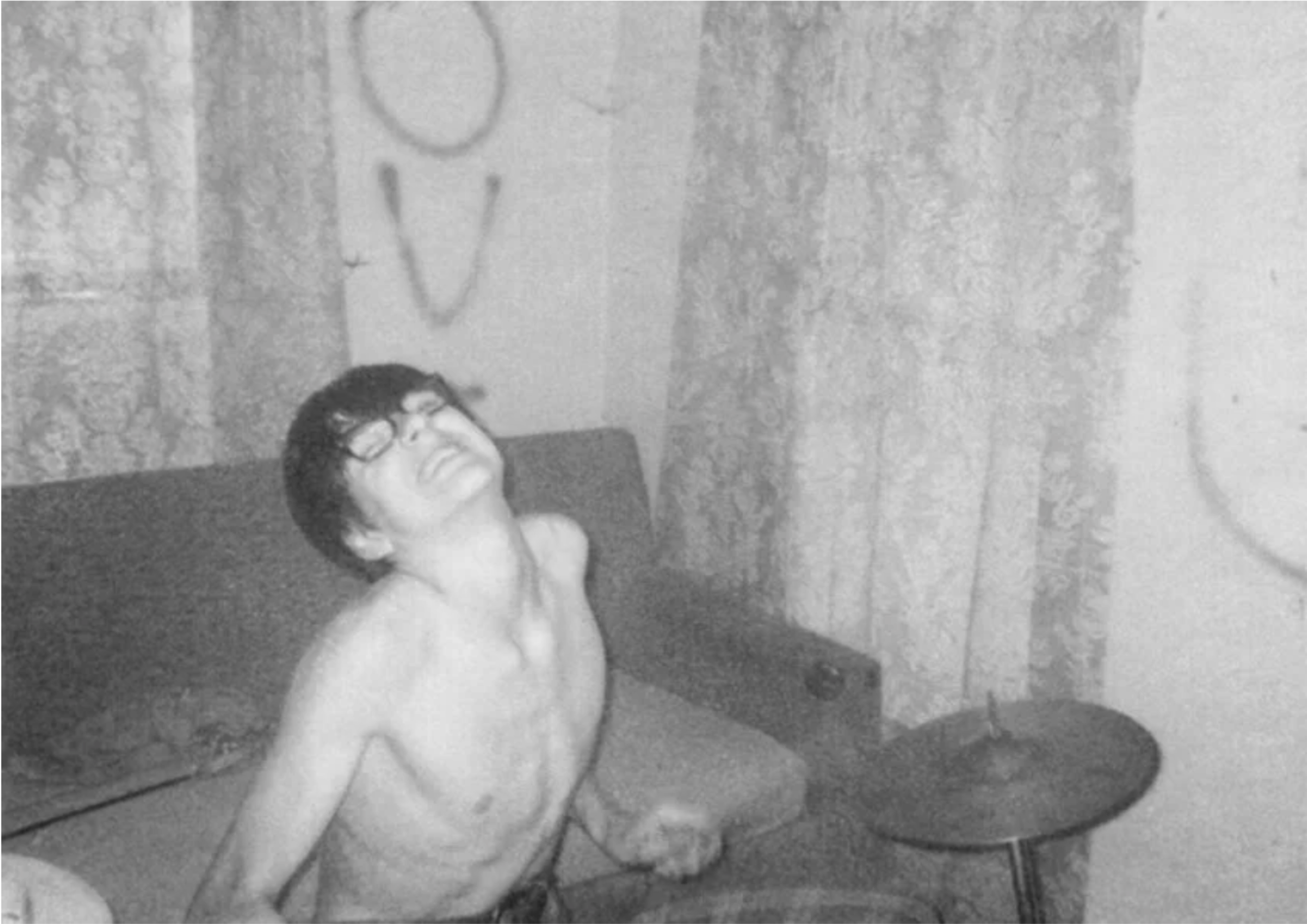
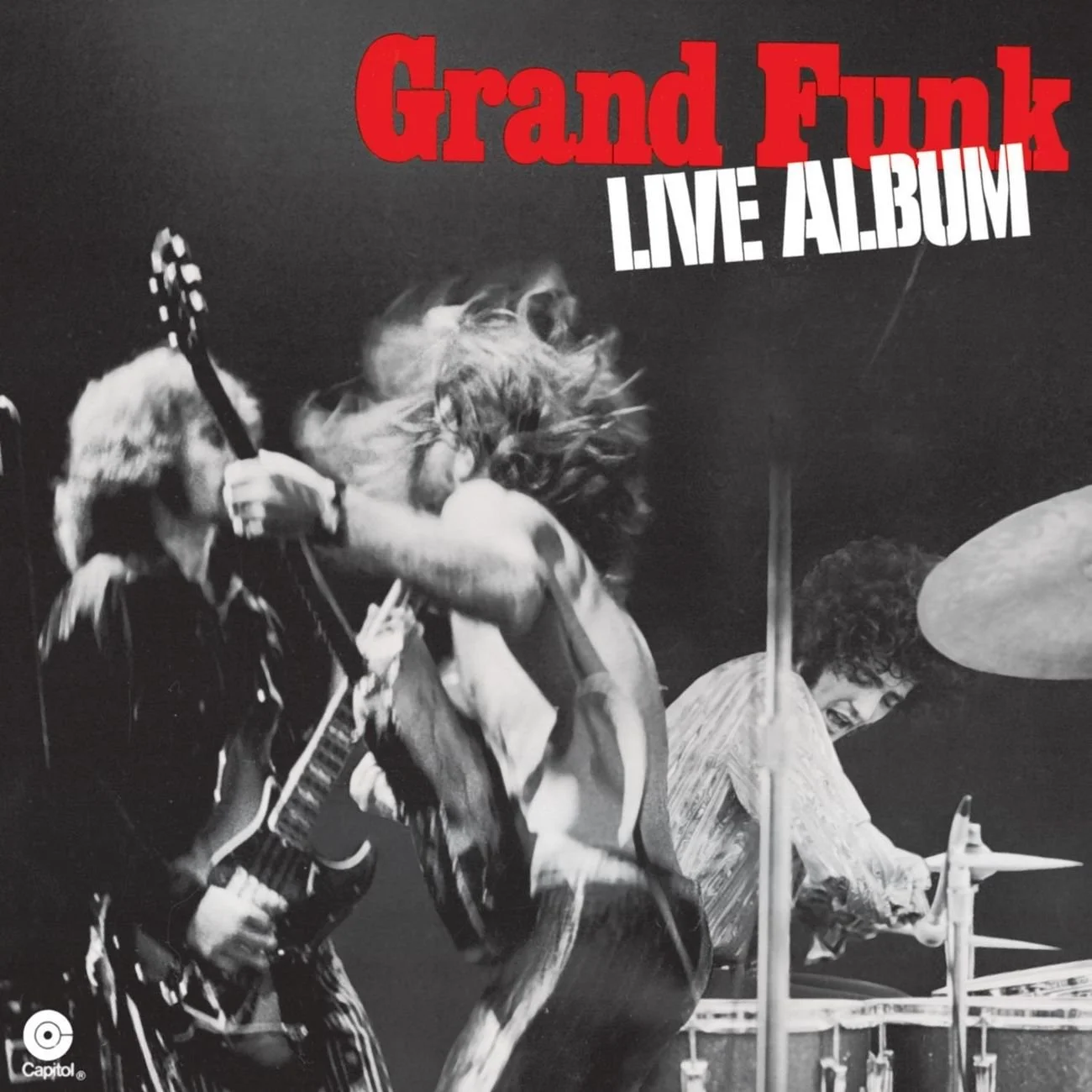
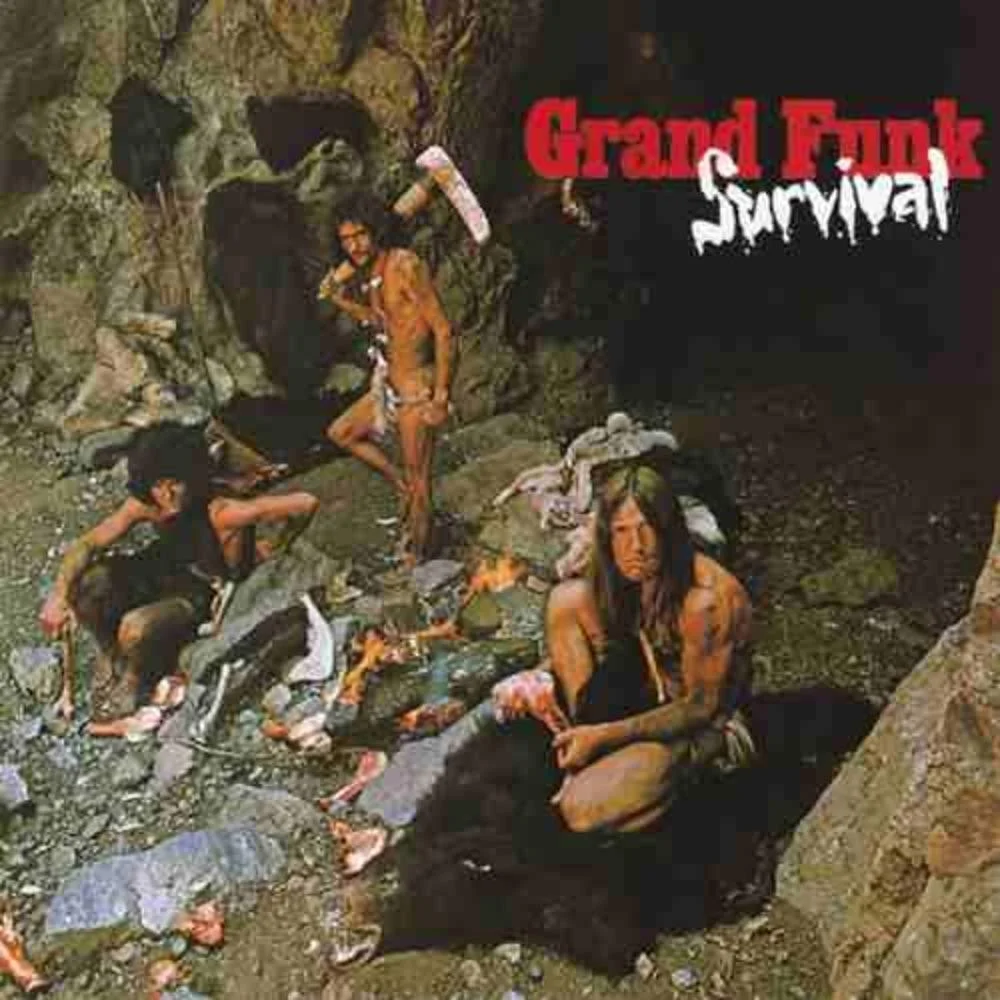
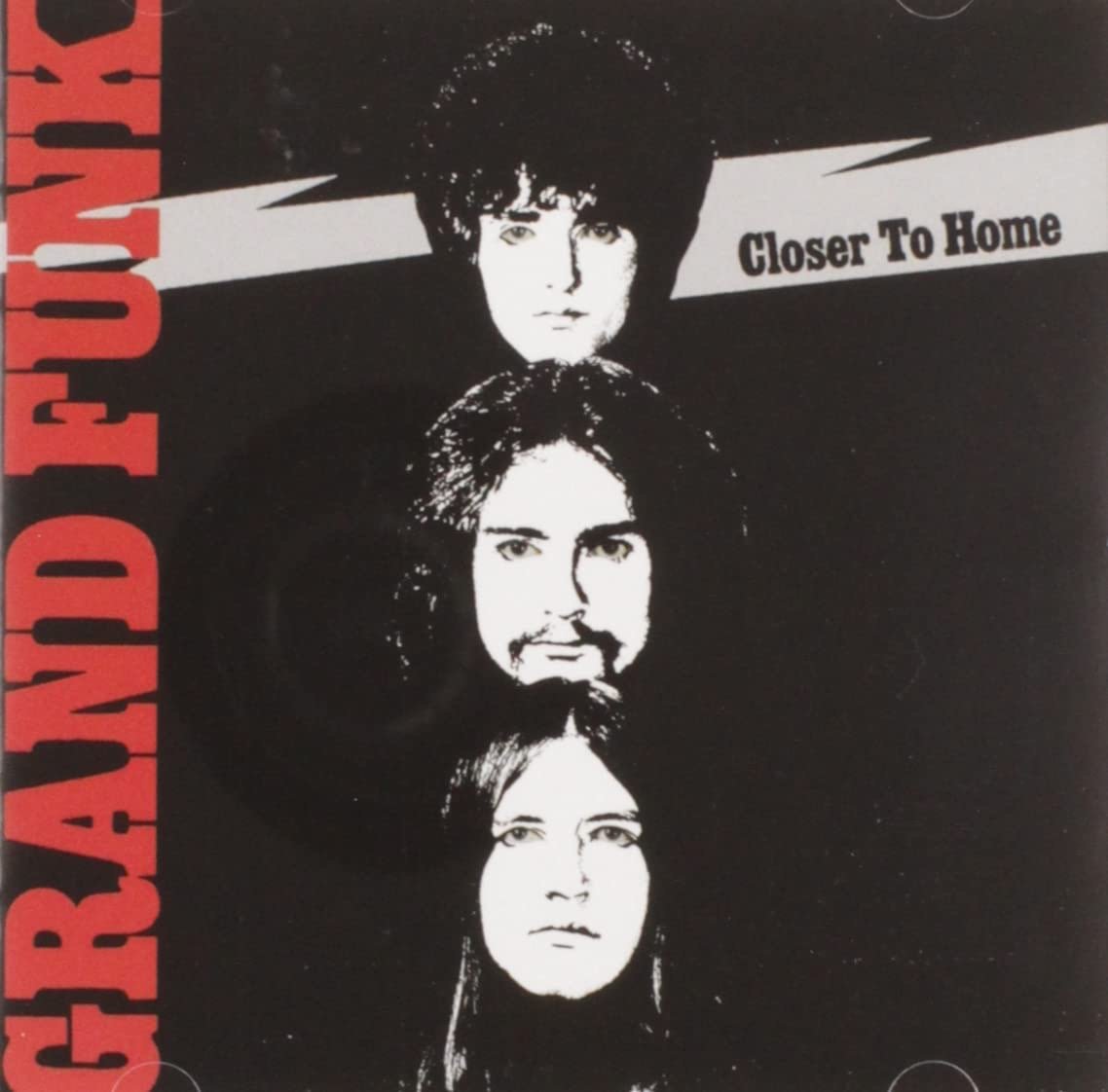
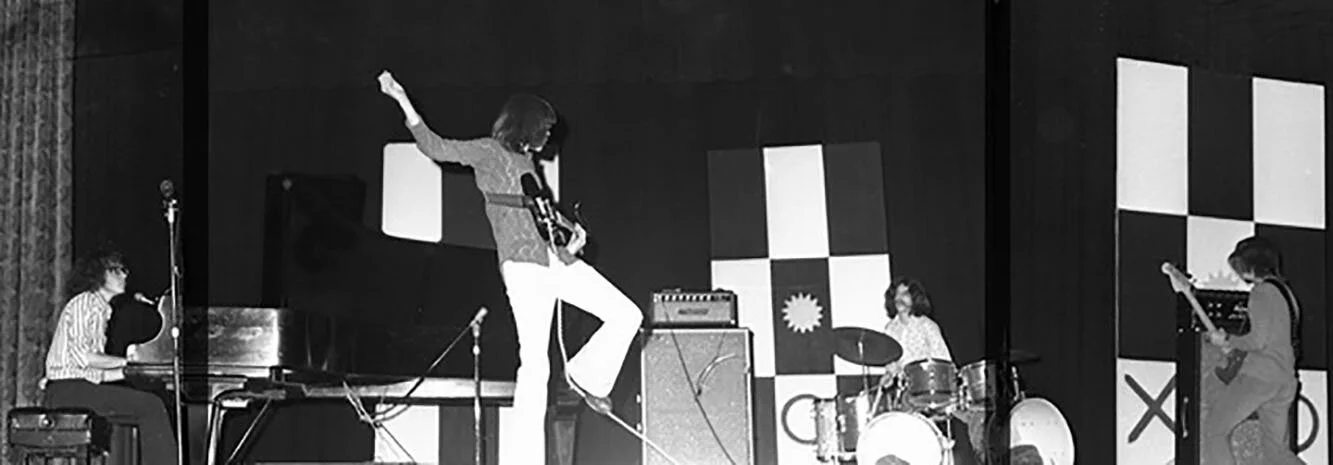
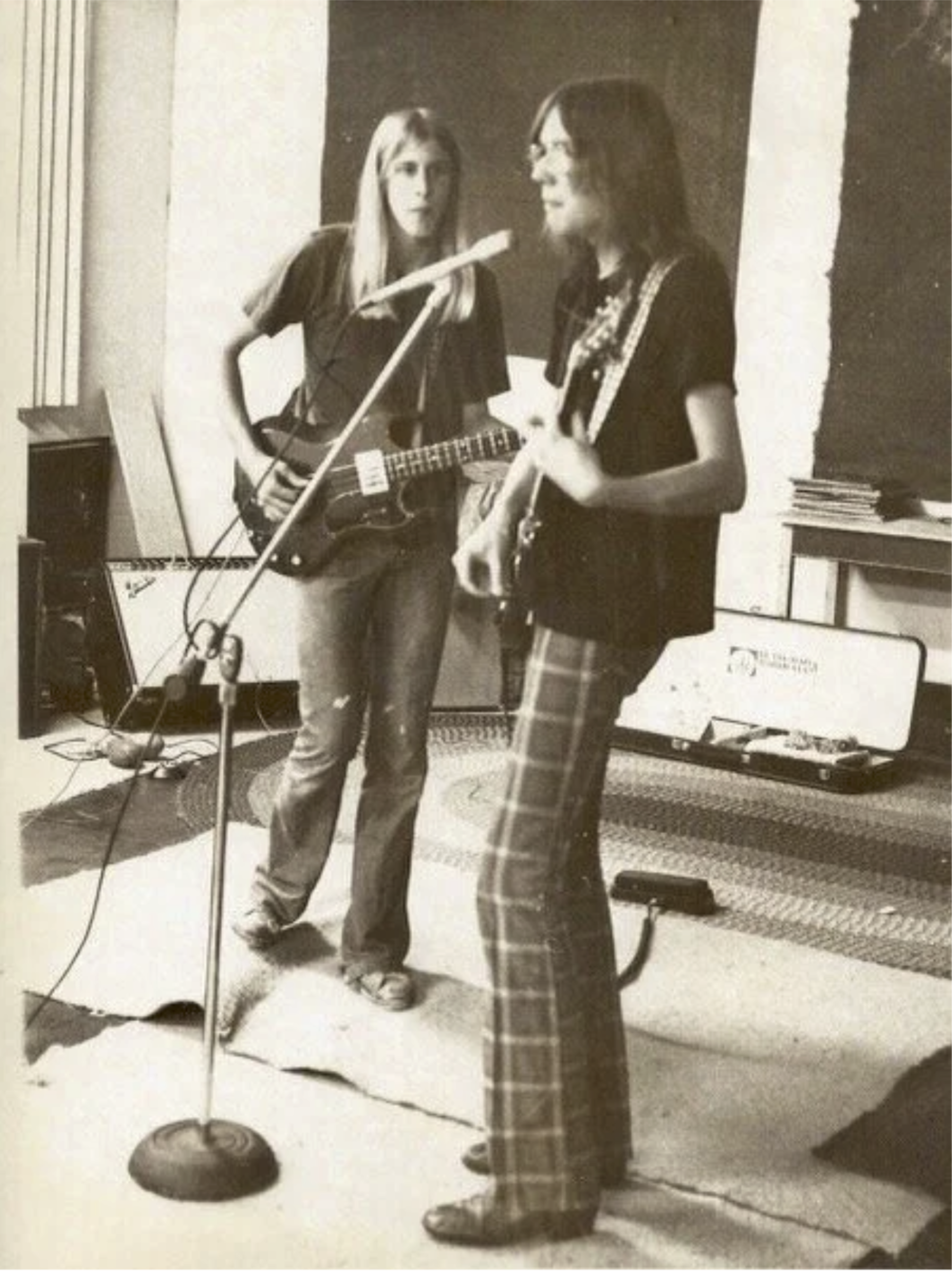
In these vintage photos, you see us rehearsing for an upcoming gig. Our "rehearsal studio" was the former bedroom of Mark Farner, who had left home by this time, to become one of the world's biggest rock stars in the band Grand Funk Railroad. But that’s a well-known story — they sold our Shea Stadium faster than The Beatles! Grand Funk, and Mark in particular, influenced us and that influence showed up in our music and our youthful swagger.
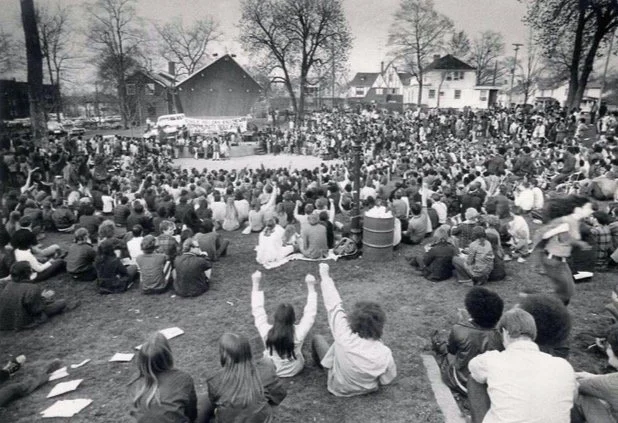
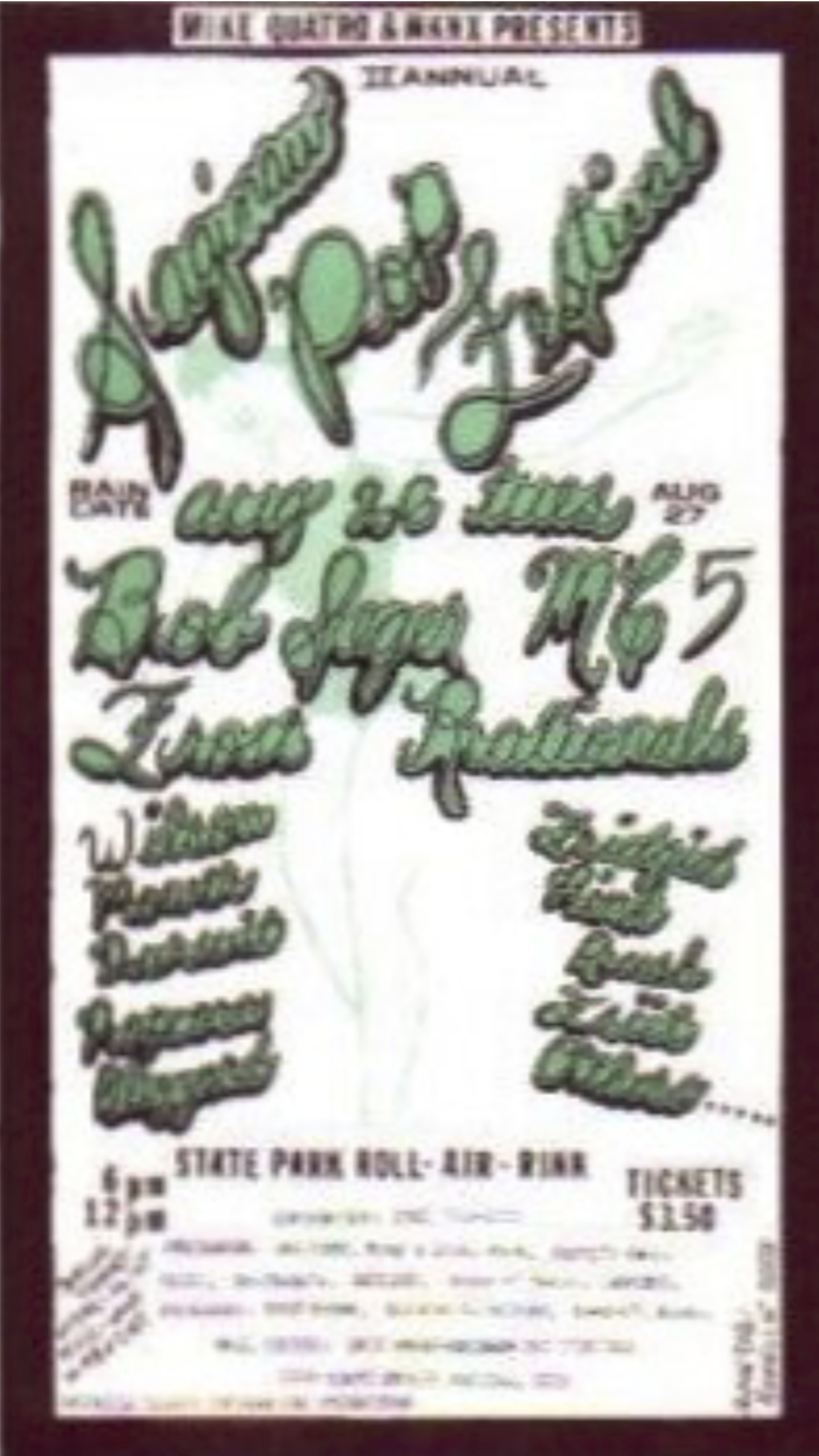
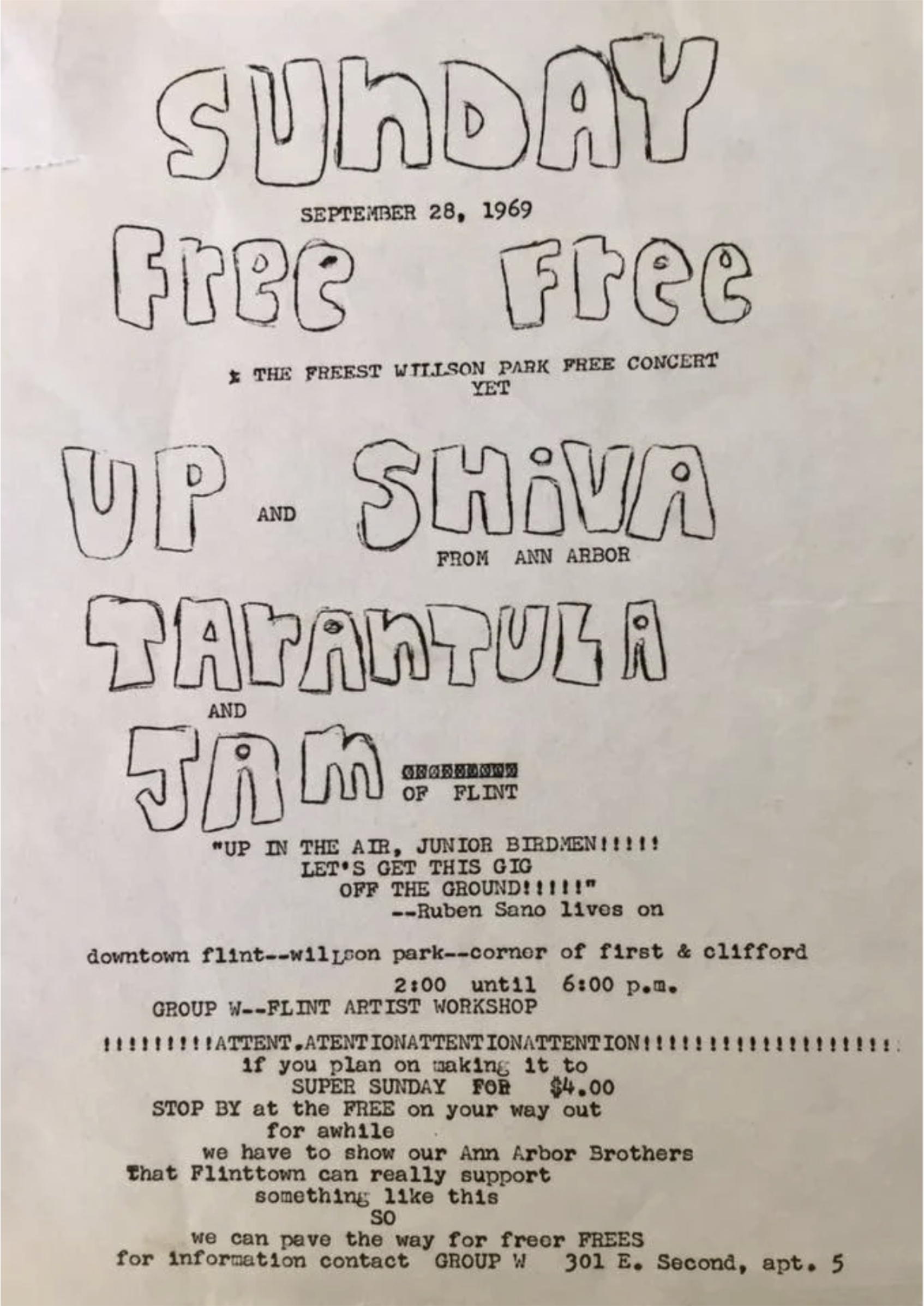
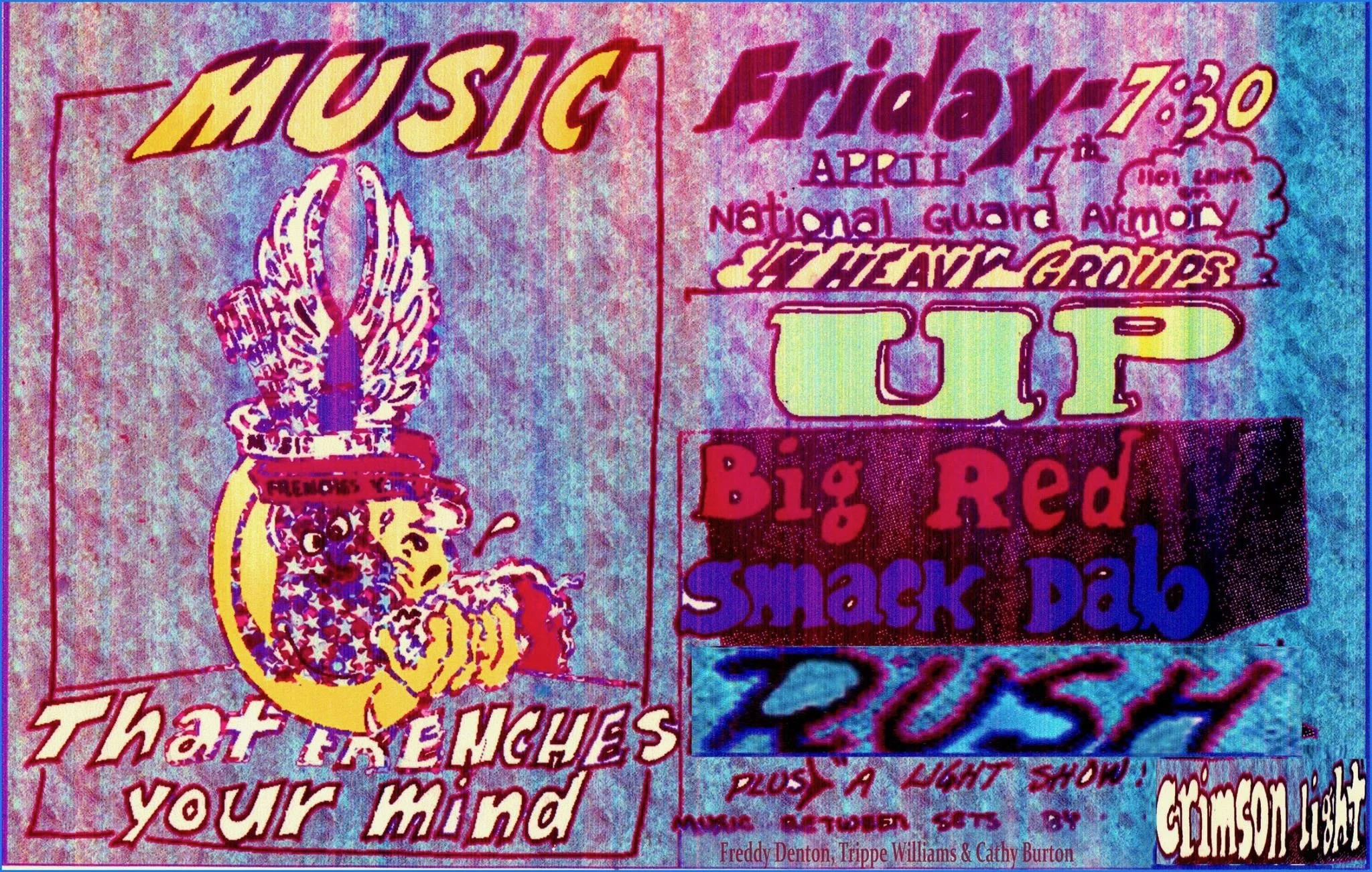
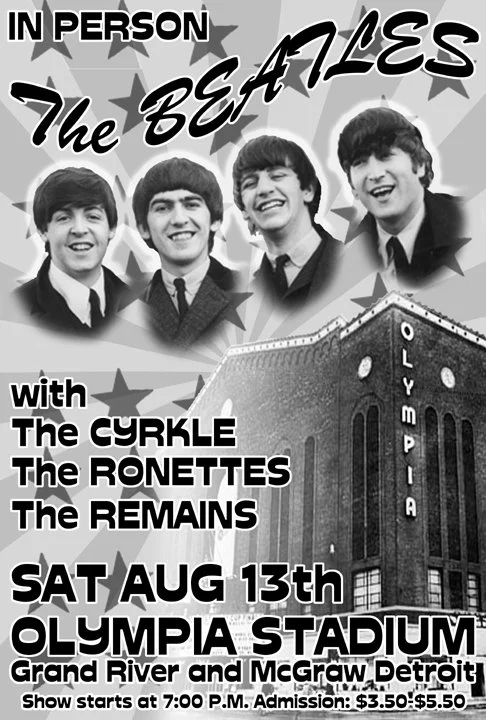
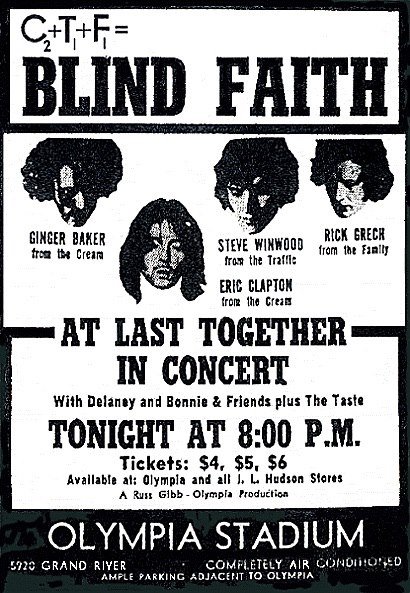
A small collection of CONCERT HANDBILLS survives from the era, featuring several of the groups we had the privilege of performing alongside. These pieces of paper, modest as they may seem, carry with them the visual spirit of a remarkable time in music history.
I was always captivated by the vibrant psychedelic artwork that defined so many handbills of the late 1960s and early 1970s. The designs were often wild, colorful, and imaginative—letters bending and melting into one another, surreal imagery swirling across the page. Many were clearly handmade or produced with simple printing techniques, yet that “homemade” quality gave them an authenticity that perfectly reflected the creative energy of the era. They were not merely advertisements for concerts; they were expressions of a cultural moment.
Unfortunately, this was long before the age of smartphones and instant photography. Devices like the iPhone were decades away, and cameras were not something people carried everywhere. As a result, there are far fewer photographs of our performances than one might wish for today. Much of what remains lives primarily in memory, along with these surviving handbills.
Performing as an opening act at some of the more prominent concerts was an education in many ways. Each show offered a glimpse into the workings of the professional music world. We watched established musicians up close, observing how they prepared, interacted with their crews, and commanded an audience. Those experiences were invaluable for a young musician finding his place.

Headlining smaller shows brought its own lessons as well. In those settings, the responsibility for the entire evening rested more squarely on our shoulders. We learned how to hold an audience, manage the energy of a room, and navigate the unpredictable realities of live performance.
At a relatively young age, I found myself working alongside older and sometimes well-known musicians. That environment exposed me to the full spectrum of life on the road: enthusiastic fans, complex backstage dynamics, occasional ego clashes, and the temptations that often surrounded the music scene—drugs, excess, and the intensity of a fast-moving lifestyle.
Yet there was also something deeper present. Amid all the chaos and color, there existed a profound respect for the power of music itself. When a concert truly came together—when musicians and audience met in that shared moment of sound and emotion—it felt almost sacred.
In many ways, those concert halls and clubs became a kind of church for me. It was a place where I felt completely at home, where the communal experience of music created something larger than any individual performer. It was in that environment that I began to understand not only the craft of performing, but also the deeper spiritual connection that music can create.

Placeholder Head
In publishing and graphic design, Lorem ipsum is a placeholder text commonly used to demonstrate the visual form of a document or a typeface without relying on meaningful content. Lorem ipsum may be used as a placeholder before final copy is available
In publishing and graphic design, Lorem ipsum is a placeholder text commonly used to demonstrate the visual form of a document or a typeface without relying on
In publishing and graphic design, Lorem ipsum is a placeholder text commonly used to demonstrate the visual form of a document or a typeface without relying on meaningful content. Lorem ipsum may be used as a placeholder before final copy is available
John Sinclair
As my sense of place in the world—socially and politically—began to form, even at a relatively young age, I found myself instinctively drawn to social causes. Civil rights, the anti-war movement, environmental protection, peace, and reverence for the earth all resonated deeply with me. In contrast, conservative politics felt to me rigid and life-denying—out of step with the values of compassion, freedom, and possibility that I felt were essential to a healthy society.
Alongside these political awakenings, I was also fascinated by alternatives—alternative housing, clothing, food systems, and lifestyles. I was drawn to ways of living that challenged mainstream assumptions about success, community, and personal freedom. The ideals of communal living in particular appealed to me: shared resources, cooperative effort, and the belief that people could live together in ways that were more humane, creative, and mutually supportive.
In this environment of exploration and questioning, I discovered an important figure whose ideas and actions crystallized many of the impulses I was already feeling: John Sinclair. Sinclair was the founder of the White Panther Party and the collective Trans-Love Energies. He was not just a political activist but also a cultural catalyst—someone who understood that music, art, politics, and community could all work together to challenge the status quo and create something new.
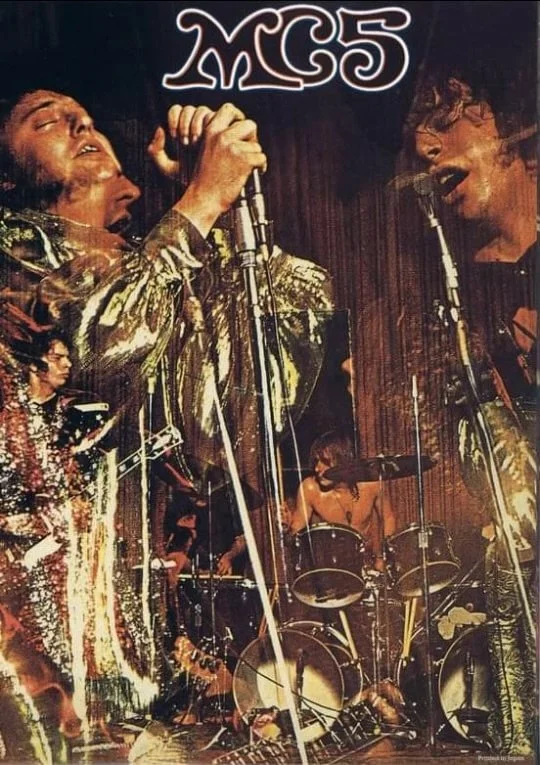
Sinclair managed the radical Detroit rock band MC5 and served as a powerful voice for alternative cultural and political ideas during a time when such perspectives were both urgently needed and fiercely contested. He also founded the Detroit Artists Workshop, which became an important center for creative and political experimentation. In many ways, it was an early forerunner of the kind of collaborative artistic environment that later initiatives—such as GATE—would also aspire to create.
At one point I visited Sinclair’s Hill Street commune in Ann Arbor. What I found there was not simply a house but a community of people whose values and lifestyle choices felt strikingly similar to my own. Their priorities—creativity, freedom, shared purpose, and social change—felt deeply familiar. Being there gave me a sense that the ideas I had been drawn to were not abstract ideals but living possibilities.
You could feel the tension of expectation humming through the room like static before a storm.
From backstage we could hear the audience chanting for the MC5.
Of course, this was long before in-ear monitors, advanced sound systems, or the refined skills of modern audio engineers. Back then, volume itself was practically the sound system.
Despite everything, we launched into the set.
And something beautiful happened.
The members of the MC5 stood just offstage watching us play. Instead of distant rock stars waiting for their turn, they became our most enthusiastic supporters. They stomped their feet, nodded their heads, tapped their toes, and shouted encouragement between songs.
Rob Tyner grinned broadly. Wayne Kramer pumped his fist in the air.
Their energy lifted us.
The crowd responded too. The roar from the floor swelled with each song, bouncing off the cavernous walls of the Armory.
After the show, adrenaline still buzzing through my veins, I found myself talking with Wayne Kramer. He was relaxed, thoughtful, and surprisingly generous with advice.
“Keep pushing your tone,” he told me. “Don’t be afraid to let the guitar speak louder than you think it should.”
He offered a few practical pointers about phrasing and stage presence—small insights that meant a great deal to a young guitarist trying to find his voice.
That night was the beginning of several shows we opened for the MC5 in Flint, Saginaw, and Bay City.
Years later, long after those early days, I ran into Wayne again in Los Angeles—once at the Nuart Theatre and another time at Barnes & Noble, where John Sinclair was performing music and poetry in support of a new book.
I reminded Wayne of that first chaotic night at the Flint Armory—the missing gear, the borrowed Marshall stack, the deafening chord that nearly blew my head off.
He laughed.
“Oh yeah,” he said with a smile. “I remember that.”
And in that moment, decades seemed to collapse into a single echoing chord still ringing through the Flint Armory.
“MC5! MC5! MC5!”
Our hearts pounded.
Then it was our turn.
I stepped onto the stage carrying my guitar and walked toward the towering Marshall stack belonging to Wayne Kramer. The amplifier loomed behind me like a wall.
Here came surprise number two.
Without thinking, I plugged in my guitar and struck a chord.
I didn’t realize two things:
My guitar’s volume knob was set to 10.
And Wayne’s Marshall was also set to 10.
The explosion of sound that erupted from that amplifier was staggering. It felt less like music and more like standing in front of a jet engine. The chord slammed into the hall and ricocheted off the walls of the Armory.
My right ear rang instantly—and, to be honest, it has never fully recovered.
I had to shift my position on stage the rest of the night just to hear the band properly.
Over time I came to know John personally and spent time with him on several occasions. Even after I moved from Michigan to California, our paths continued to cross. He remained someone whose example and ideas I respected.
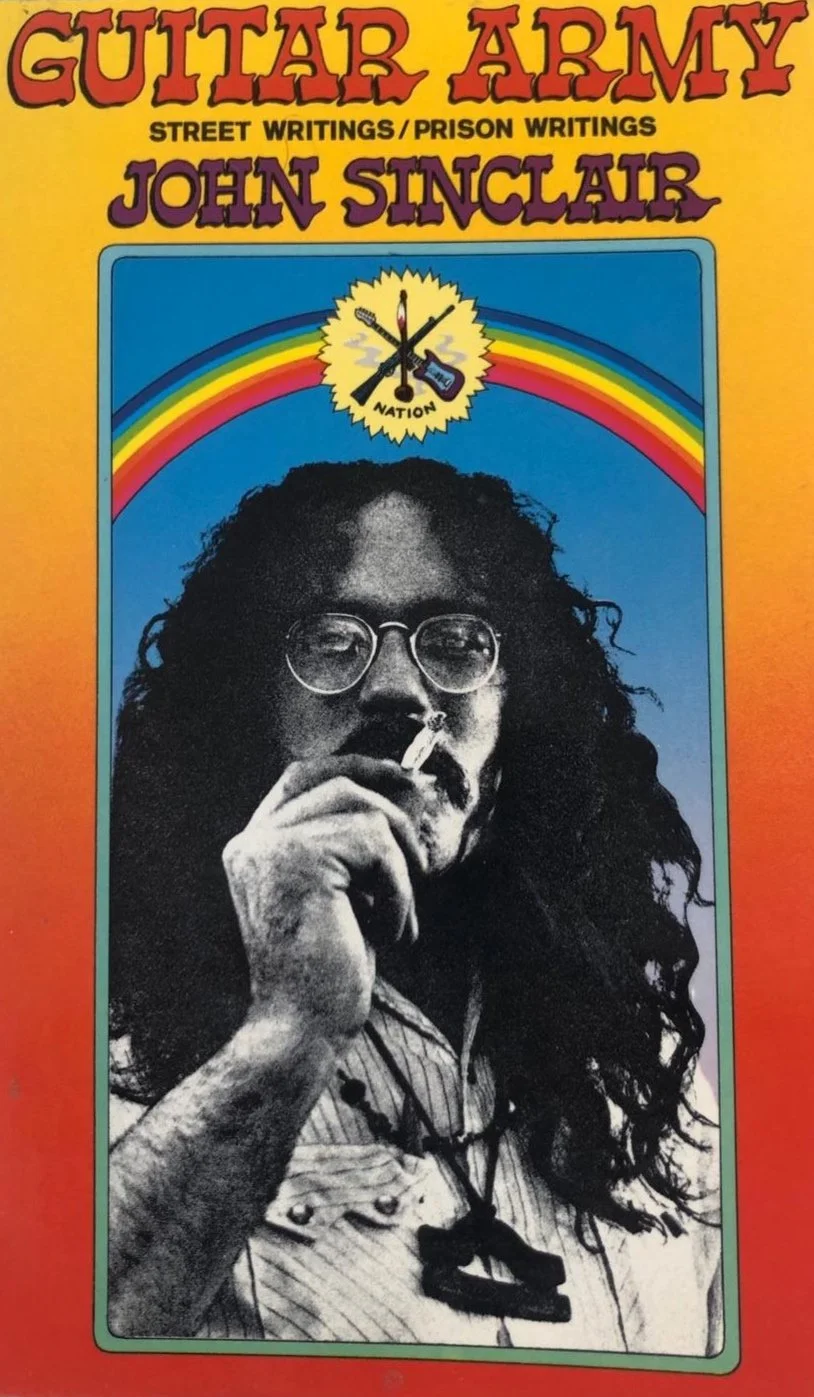
One of Sinclair’s most important works, his book Guitar Army, became a personal favorite of mine. The book captured the spirit of the moment: the intersection of music, politics, and cultural rebellion that defined that era.
Then came the event that would transform Sinclair into a national symbol of injustice. He was arrested and sentenced to ten years in prison for possession of marijuana—specifically, two joints. The severity of the sentence shocked many people and sparked a broad protest movement.
In response, a massive “Free John Now” rally and concert was organized at Chrysler Arena in Ann Arbor. The event was headlined by John Lennon and Yoko Ono, who had become deeply involved in the campaign to free Sinclair. Lennon even wrote and performed a song titled “John Sinclair,” directly protesting the absurdity of the ten-year prison sentence.
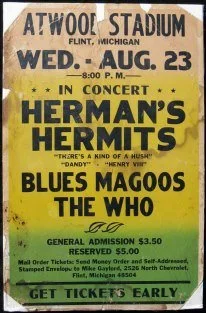
Some of the earliest concerts I attended affected me at a profound level, though at the time I had no real awareness of how deeply they were shaping me.
Only years later did I begin to understand that those experiences had planted seeds—seeds of exposure to powerful, almost primal musical energies that stirred something inside me. What I felt then was instinctive rather than intellectual: a visceral awakening to sound, rhythm, and the communal force of live music. In hindsight, those early encounters were quietly nurturing a desire that would eventually express itself as my aspiration to become a musician.
Many of those formative experiences came through the generosity of one of my older sisters. As an expression of her love and care, she took me to several concerts when I was young. At the time, I didn’t fully grasp the magnitude of what she was giving me. To my younger self, they were simply exciting outings—loud, colorful, and thrilling moments outside the ordinary rhythms of daily life. I lacked the perspective to appreciate the depth of her gesture or the rare opportunity she was creating for me.
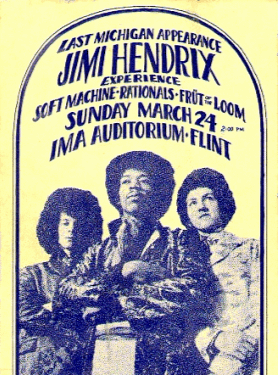

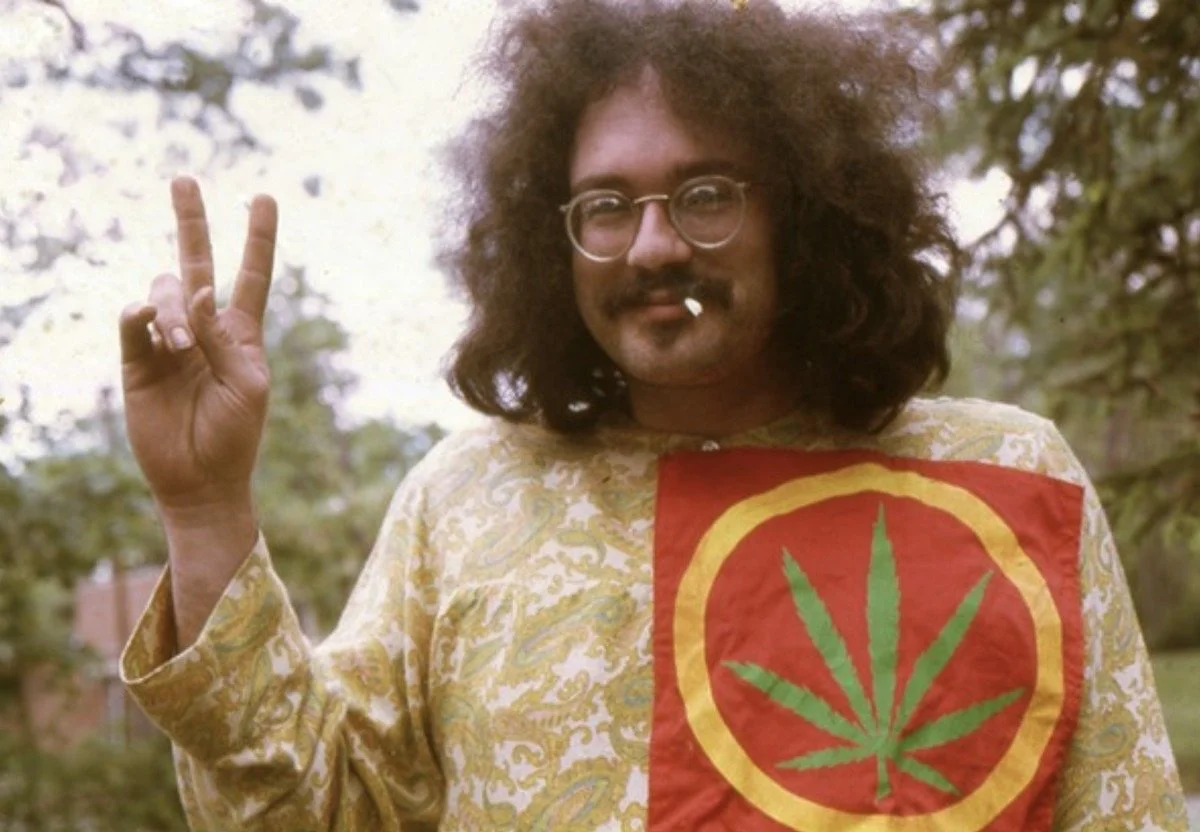
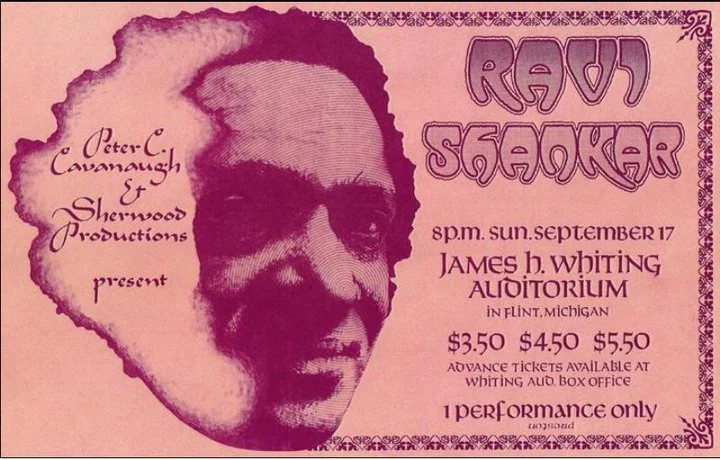
Only later did I realize that some of those shows were not just concerts, but moments within a broader cultural and artistic movement. They carried historical weight and represented the creative spirit of their time. The performers, the audiences, the atmosphere—together they formed a living expression of an era’s musical imagination.
Looking back now, I recognize those experiences as early blessings. They expanded my world before I even knew I needed expansion. They helped shape my mindset, opening my ears and imagination to possibilities that would later become central to my identity. The music, the energy of the crowd, and the generosity of my sister’s gesture all combined to form an early foundation for my cultural orientation and creative life.
In ways I could not have articulated then, those nights planted something enduring within me—an awareness that music was not merely entertainment, but a force capable of moving people, shaping consciousness, and bringing individuals into a shared emotional and spiritual space.
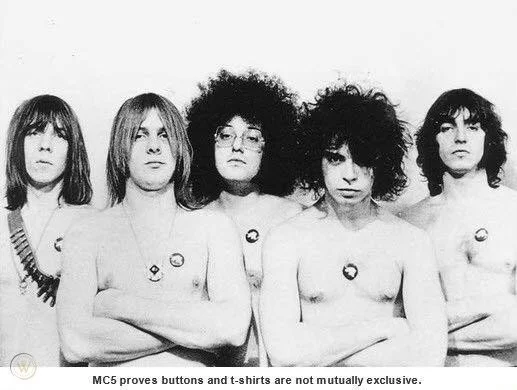
MC5
A few young concert promoters around Michigan took notice of us early on. They saw something in our playing—an odd combination of youthful energy and musicianship that seemed older than our years. To them, that contrast was intriguing. Even before we had much of a following or any real name recognition, these perceptive promoters invited us to play significant shows. They sensed that audiences might be drawn to the novelty: a group of very young musicians performing with surprising intensity and competence.
Naively—perhaps beautifully naively—Rick Farner, Bruce Crawley, and I, performing as Raven Red, felt certain we were already on the road to stardom.
We threw ourselves deeper into music. Between gigs we began experimenting with writing original songs, sitting for hours with guitars and notebooks, chasing melodies and half-formed lyrics. Our rehearsals grew longer and more serious. We studied records, practiced scales, argued over arrangements, and pushed ourselves to sharpen our chops. Every note felt like a step toward some distant but glittering future.
Looking back now, that entire period was a blessing in disguise. At the time, we thought we were simply chasing rock-and-roll dreams. What we didn’t realize was that every experience—every gig, every mistake, every unlikely opportunity—was shaping us for a path none of us could yet imagine. Nothing was wasted. There was purpose in it all, even if it remained invisible to us then.
One of the promoters who helped us most was based in Flint. He was a hustler in the best sense of the word—resourceful, connected, always moving, always making things happen. Yet he was also kind, patient, and genuinely supportive of us. He treated us less like expendable teenage musicians and more like young artists worth investing in.
He was generous in other ways too. When we asked, he would occasionally provide us with a small “stash” of Cannabis sativa, which in those days felt like part of the cultural atmosphere swirling around rock music.
One afternoon he called me aside.
“You boys think you’re ready for something bigger?” he asked, leaning back in his chair with a knowing grin.
“What do you mean?” I said.
“How’d you like to open for the MC5 at the Flint Armory?”
Our jaws practically hit the floor.
The MC5 were already legendary across Michigan—loud, rebellious, electrifying. They weren’t just a band; they were a force of nature tied to the cultural upheaval of the late 1960s.
“Absolutely,” we said almost in unison.
But after the excitement settled, reality crept in. Were we really ready for this? The Flint Armory was no small hall gig. This was serious.
So we doubled down on rehearsal. Long nights followed—amps humming, guitar strings squealing, drumsticks snapping against the snare in relentless practice. Sweat, feedback, and repetition filled the room as we tightened every transition and sharpened every harmony.
Then came the day of the concert.
And with it, the first surprise.
The night before, we had played another show. Our equipment—guitars, amps, drums—had been loaded into a truck afterward. By morning, the truck had vanished.
Gone.
Just like that.
Panic rippled through us. Without gear, there was no show.
When the members of the MC5 heard what happened, they stepped in without hesitation. Wayne Kramer, Fred 'Sonic' Smith, and vocalist Rob Tyner offered to let us use their equipment.
For a group of unknown teenagers, that generosity meant everything.
The Flint Armory that night was electric. The building itself had the rough utilitarian feel of a military hall—high ceilings, exposed beams, and concrete floors that echoed with every step. The air carried the smell of sweat, cigarette smoke, and anticipation.As the crowd poured in, the noise rose into a restless roar. Boots stomped. People shouted to friends across the hall. Somewhere a bottle clinked against another.
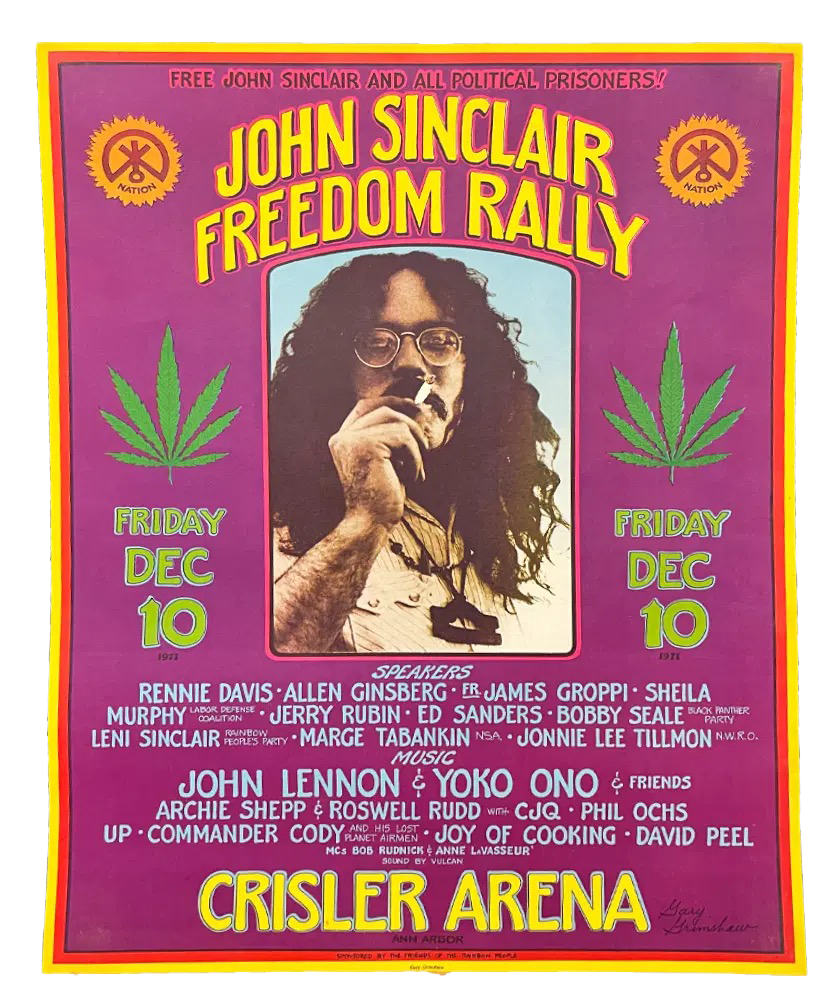
I attended that concert.
As often happened to me in those years, I left the event nearly speechless. The energy in the arena was extraordinary—the convergence of people, music, politics, and purpose created something electric and unforgettable. There was a shared sense that culture itself could be a force for justice and transformation.
The music, the crowd, the conviction in the air—all of it struck a deep chord within me. It was one of those moments when the spirit of a movement becomes palpable, when individual experiences merge into something larger. The ethos of the time—idealistic, rebellious, hopeful—resonated profoundly with my own developing worldview.
And it stayed with me.
1962 - 1967: Life is Duality
Early in life I became aware of what I would later understand as the duality of existence.
On one side stood the world that had been prepared for me—carefully constructed by parents, family traditions, social institutions, and the cultural expectations of the time. It was a world with defined edges and a prescribed path. Parents, certain relatives and friends, religion, politics, and long-standing cultural influences all gently—but firmly—guided me toward what they believed to be the proper direction.
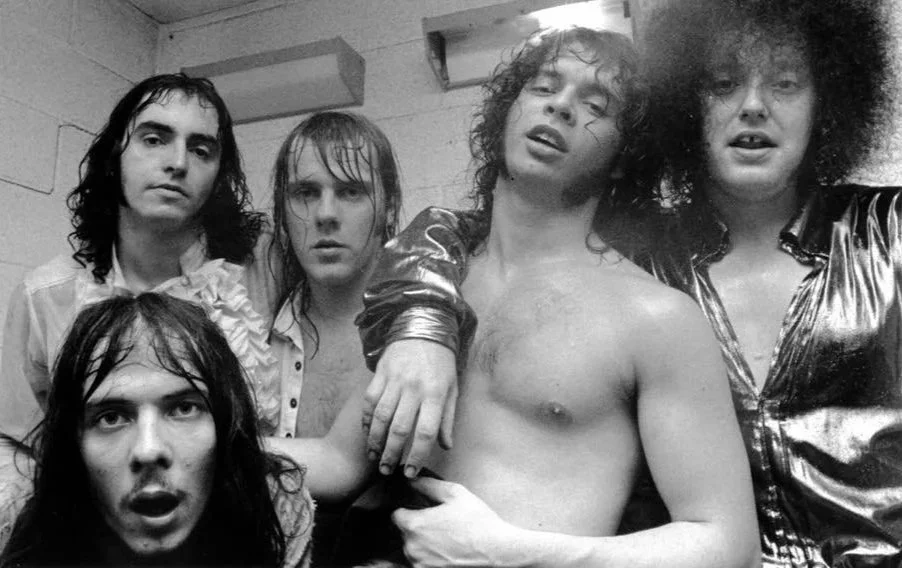
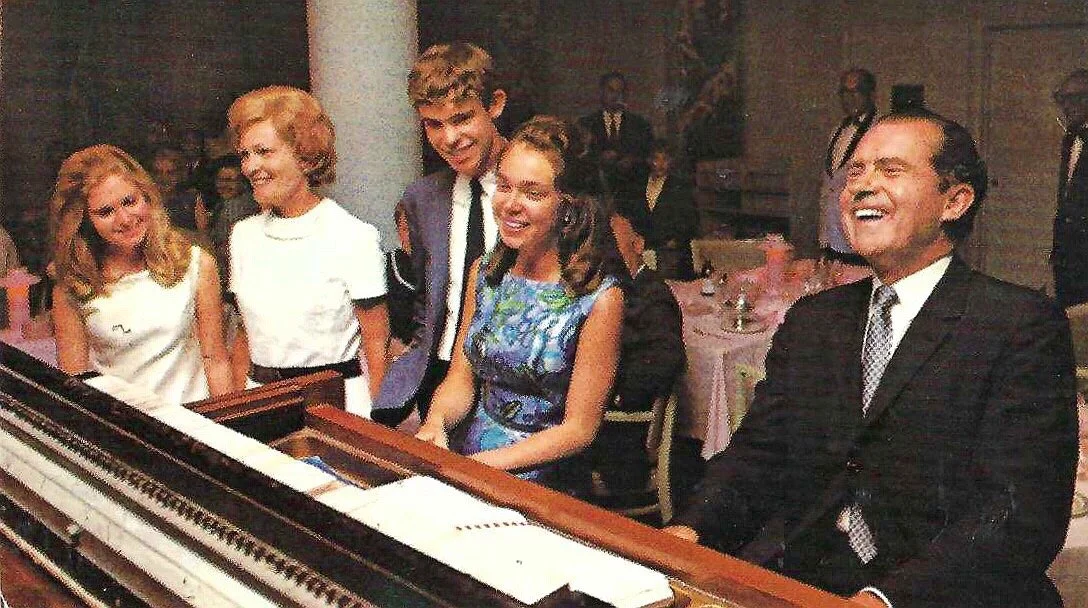
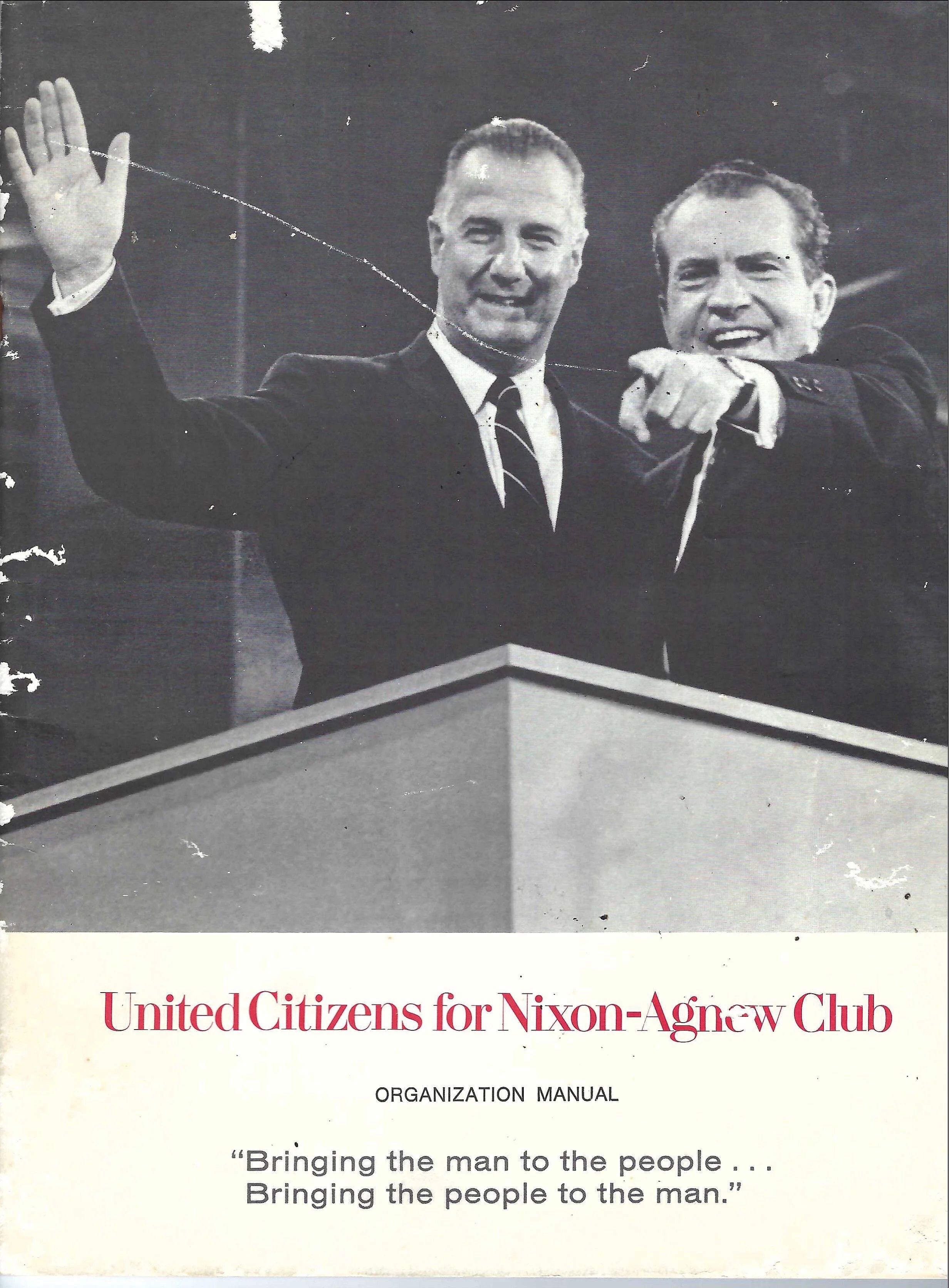
My father embodied a particular strand of American conservatism, shaped by the politics of the era and aligned strongly with the philosophy of Richard Nixon. My parents’ church and religious orientation were deeply rooted in Protestant tradition. Their connections to Freemasonry reinforced a sense of order, fraternity, and inherited structure. Their own upbringing carried the weight of generational expectations—values they naturally believed should pass seamlessly to their children.
Surrounding me were the cultural institutions that defined respectable boyhood in mid-century America: the uniforms and merit badges of the Cub Scouts and later the Boy Scouts of America, Sunday services steeped in Protestantism, and a civic faith in the American system that seemed unquestionable to those who had lived through earlier decades.
All of this formed a kind of blueprint for who I was expected to become.
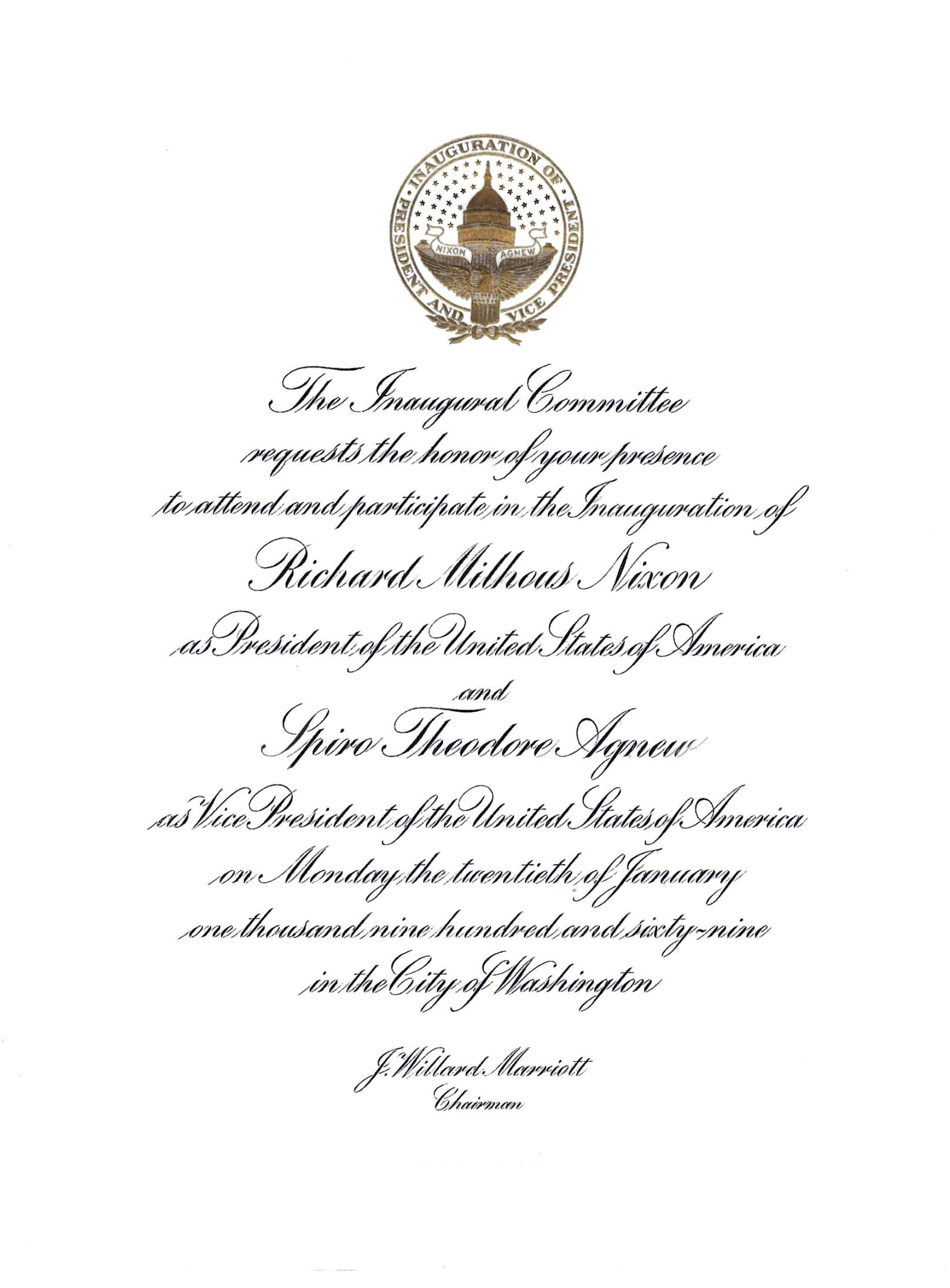
And in truth, I was very much inside that world. In fact, I was once invited to attend the inauguration of Richard Nixon—a moment that, in many ways, symbolized how closely my early life intersected with that political and cultural sphere. But that story belongs in a book.
Hovering over this carefully designed future was another looming reality: the prospect of being drafted into military service during a turbulent period in American history. For many young men of my generation, the machinery of government and war stood waiting just beyond the horizon.
Yet while one current was pulling me toward tradition and conformity, another current was quietly forming within me.
Something deeper—an instinct, perhaps even a calling—began to stir. Alongside a small circle of close, almost tribal friends, and influenced by the powerful spirit of the times, I began to sense that the world was far larger and more mysterious than the one mapped out for me.
The era itself was alive with questioning. It was a time of rebellion and awakening, when young people were exploring spirituality beyond inherited doctrine, when music carried messages of freedom and possibility, when minds were opening to new philosophies, cultures, and ways of seeing the planet and our place within it. Political movements were challenging authority, global consciousness was emerging, and the rigid boundaries of the previous generation were beginning to soften.
Through all of this, I found myself exposed to possibilities that felt far more authentic—more aligned with the person I sensed myself becoming.
Eventually the tension between these two worlds could no longer be ignored.
I told my parents, as respectfully as I could, that I could not live entirely within the framework they had designed for me. Their path, though meaningful to them, was not mine to follow unquestioningly. I felt compelled to step outside it—to explore, to question, to discover who I truly was.
In essence, I chose to follow the rhythm of a different drum.
And that decision would shape everything that came afterward.


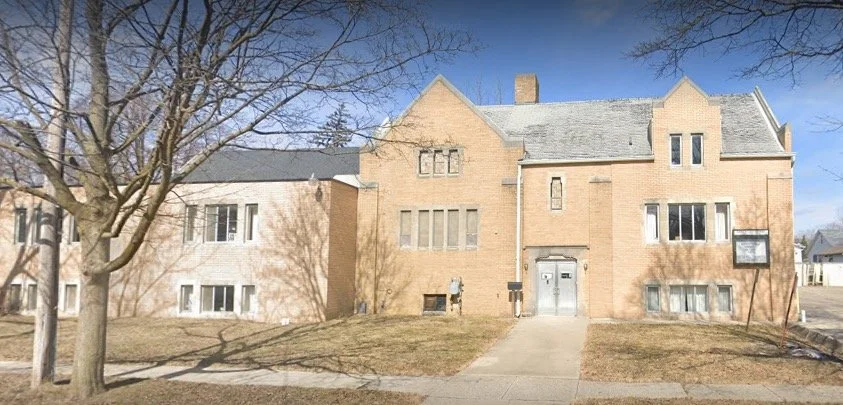
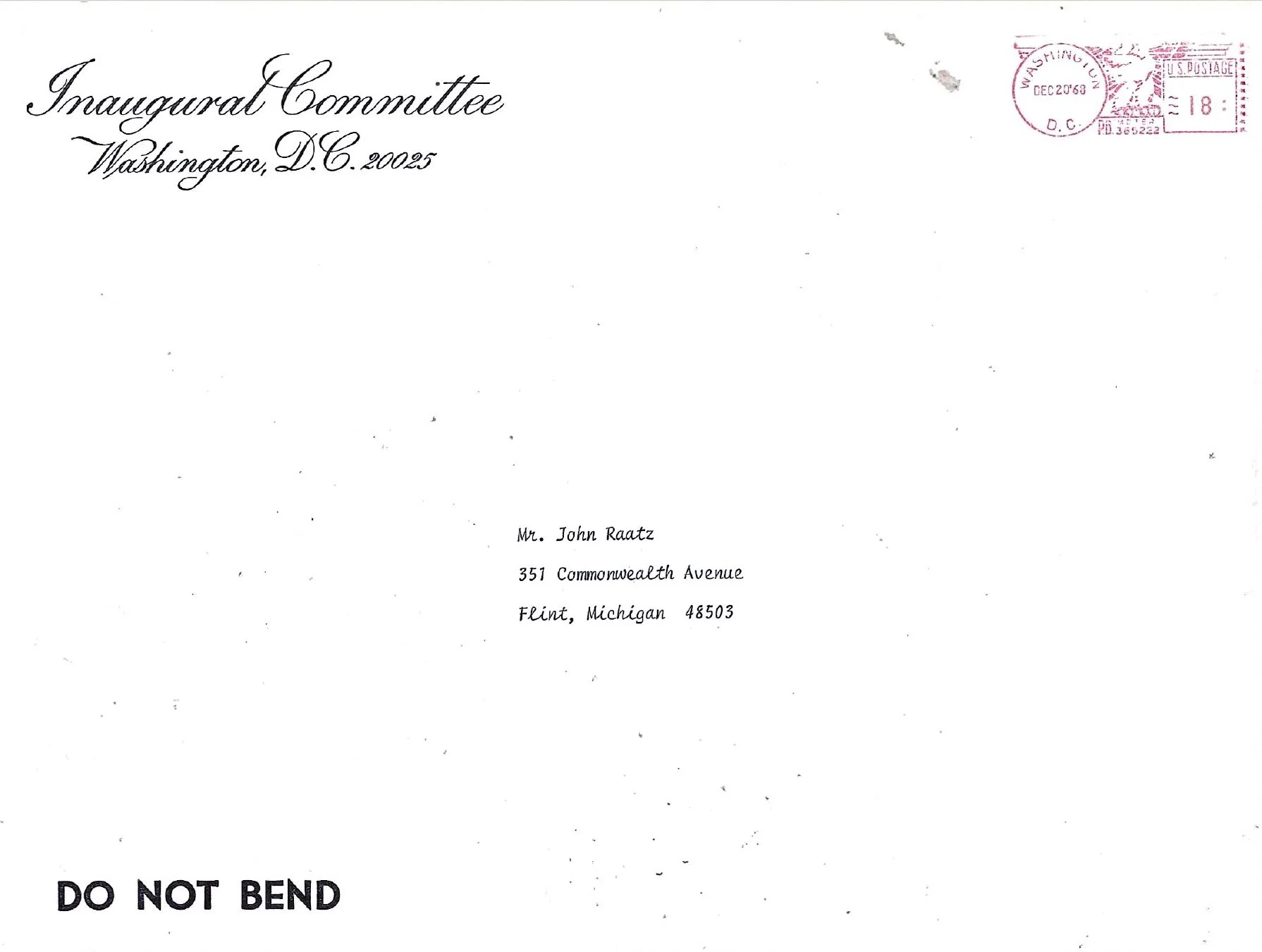


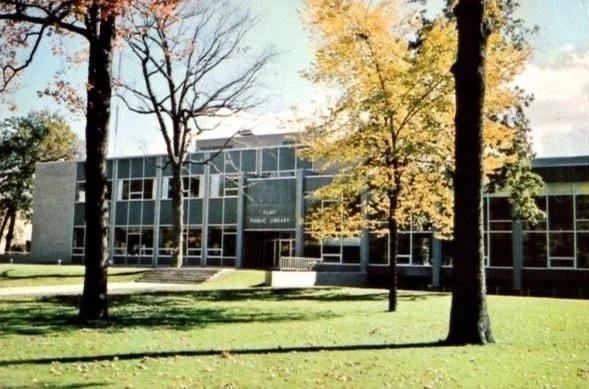
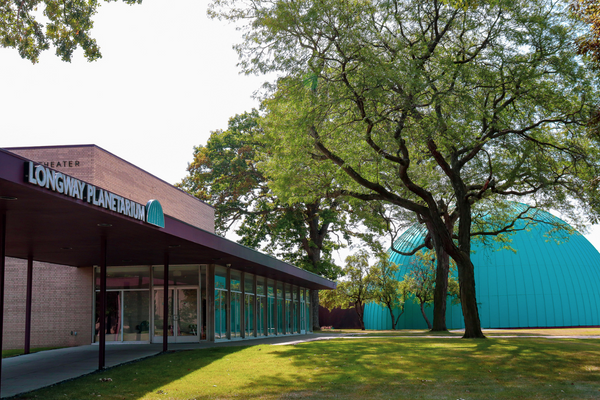
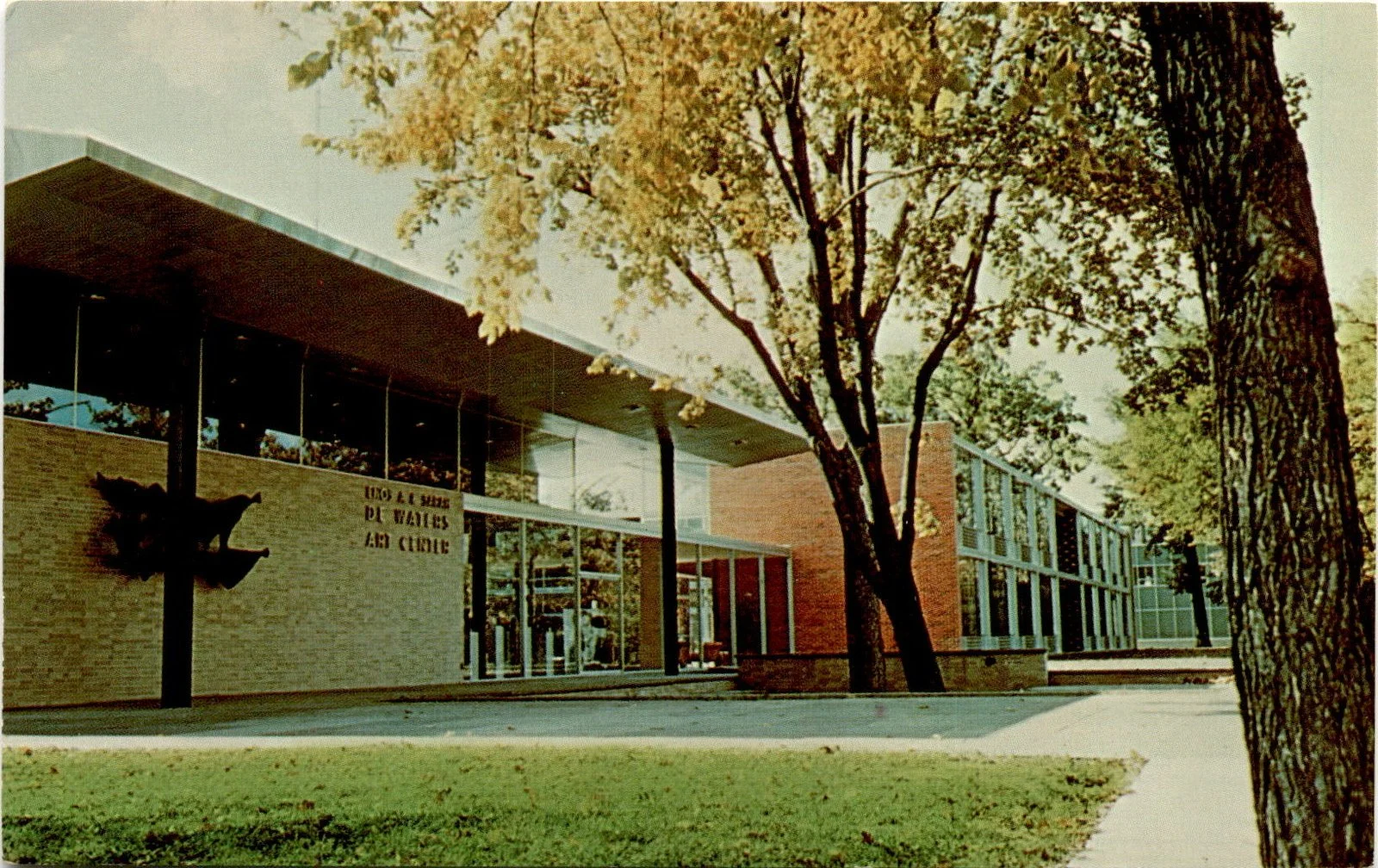

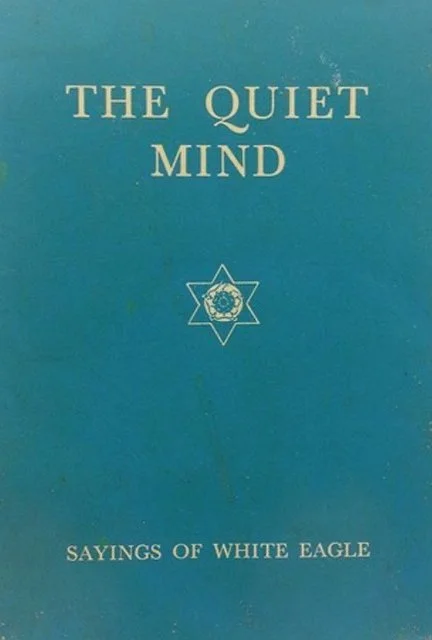

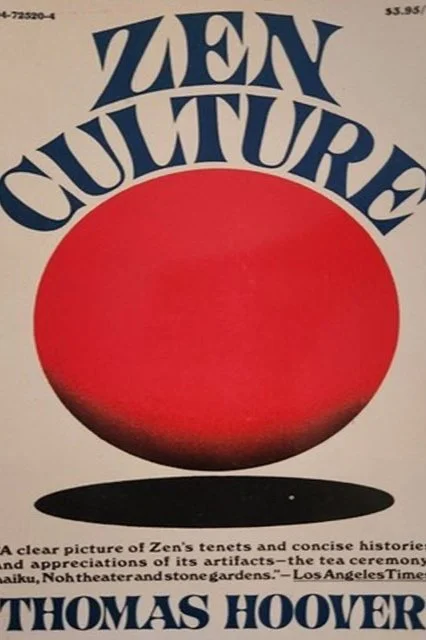
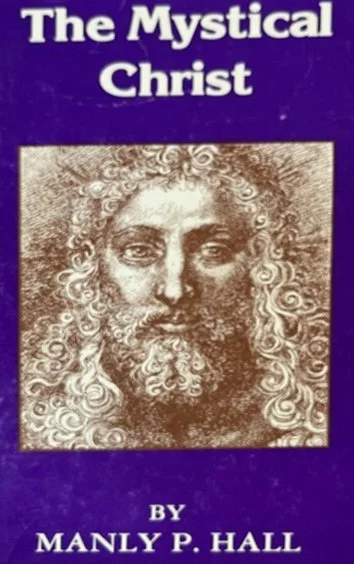
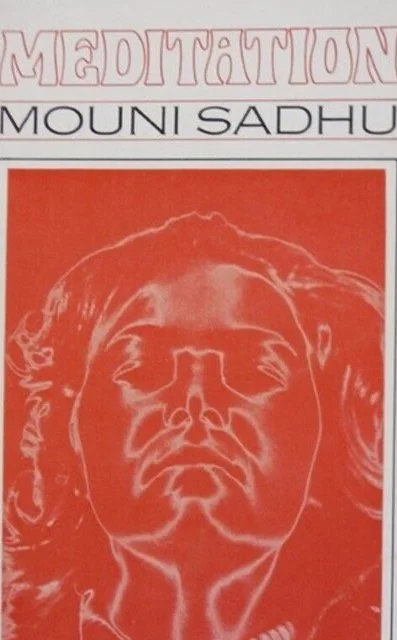
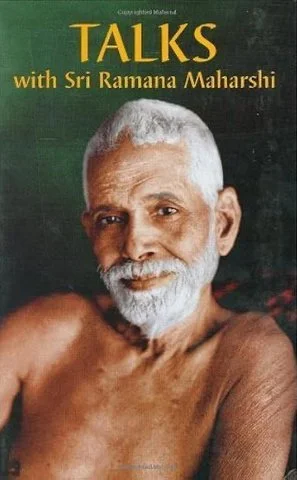
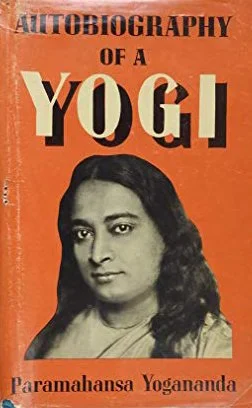

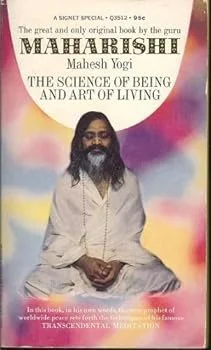
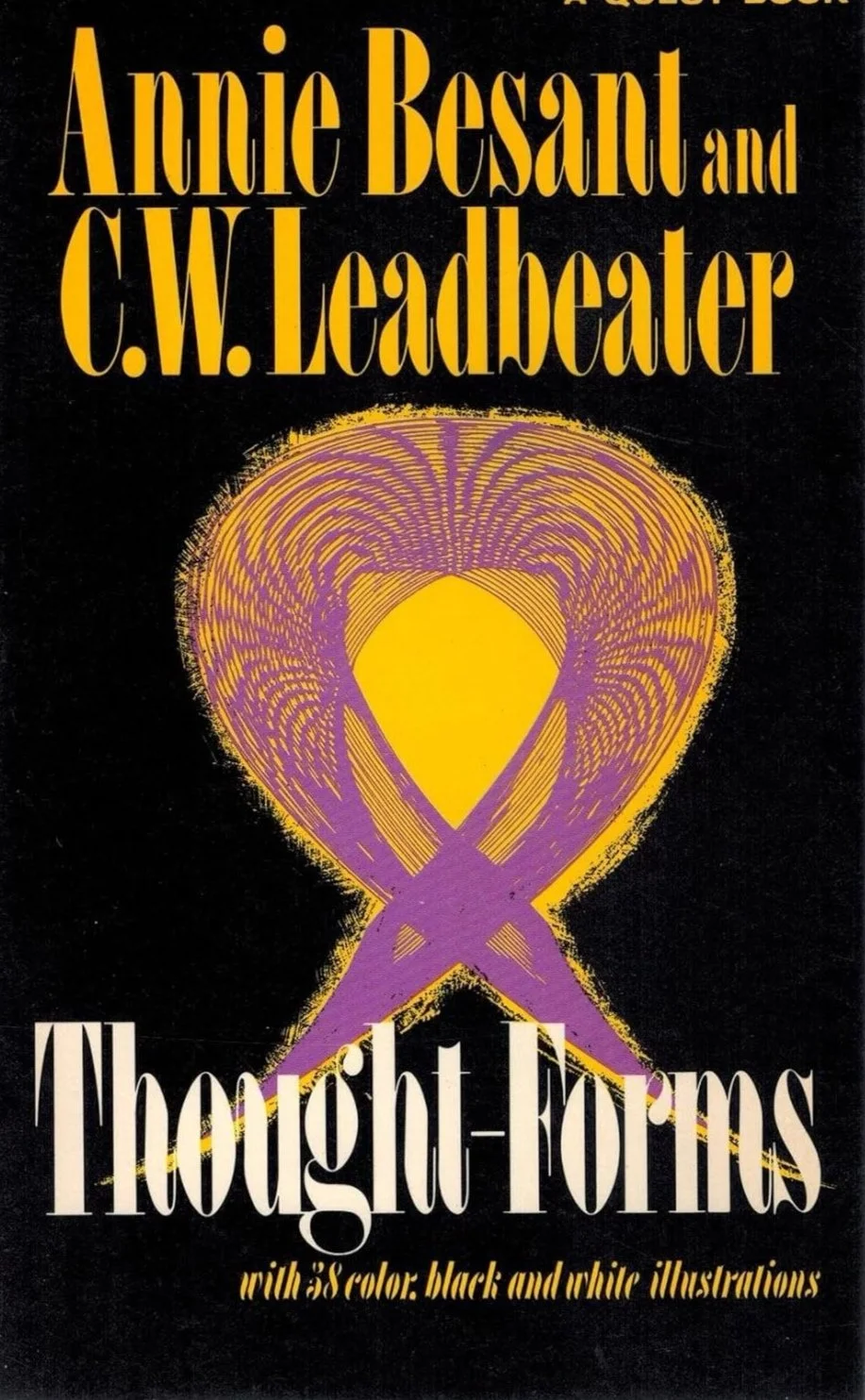
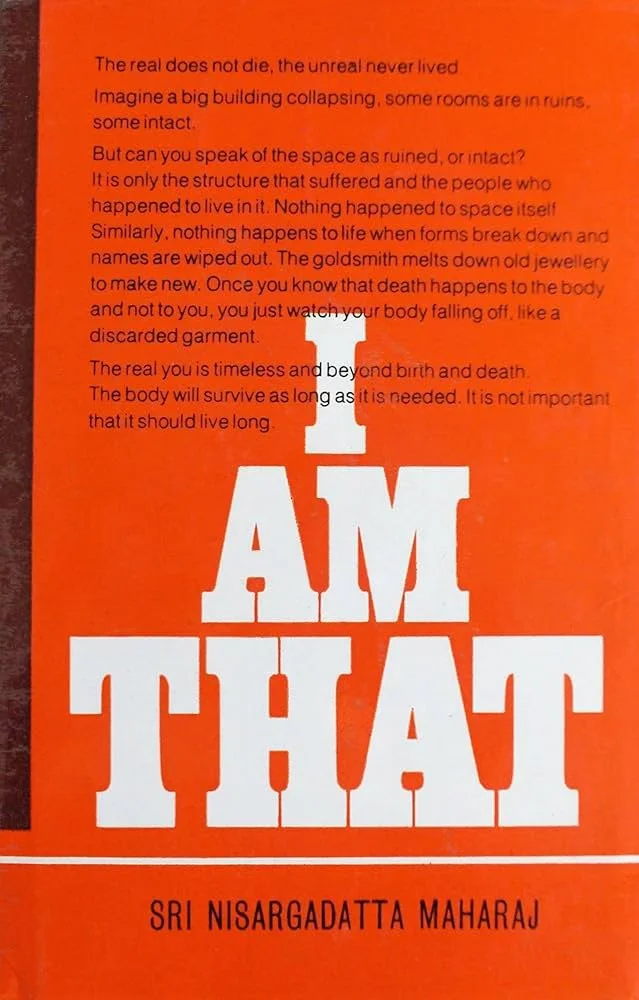
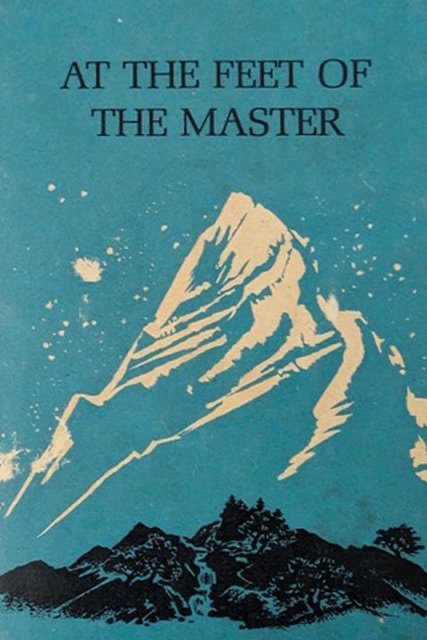
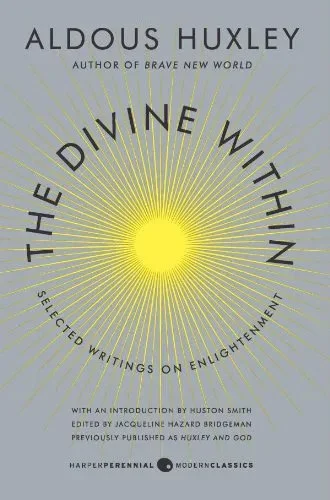
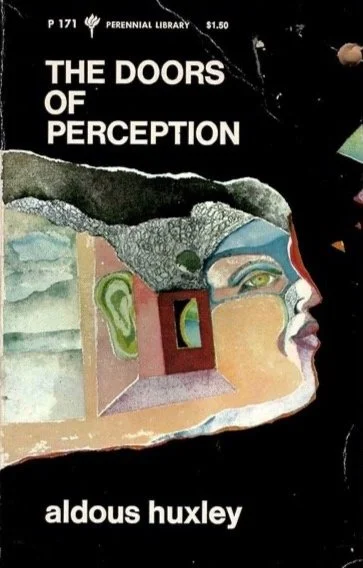
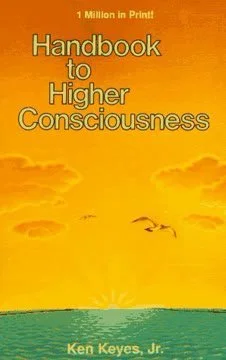
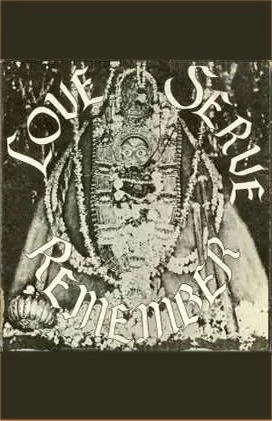
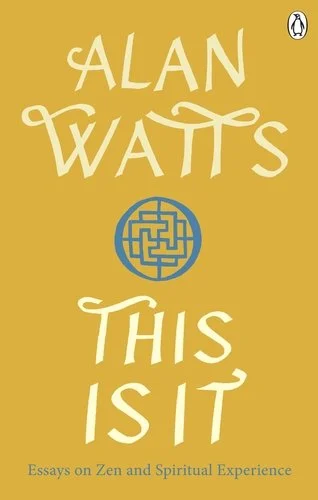
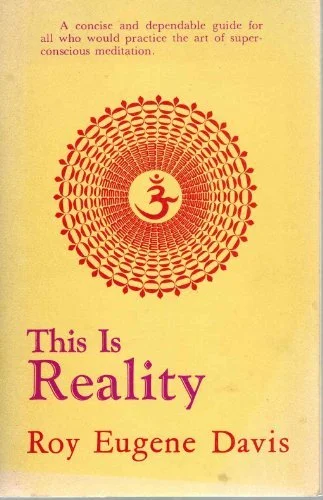
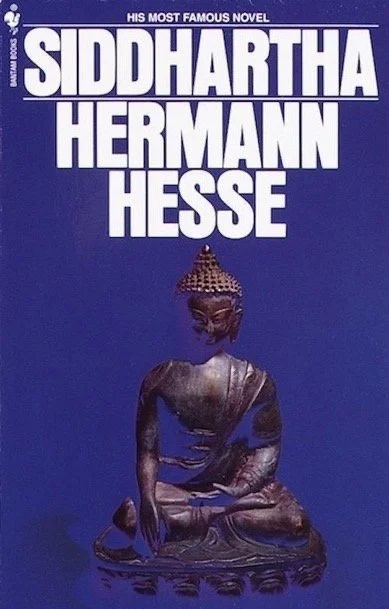
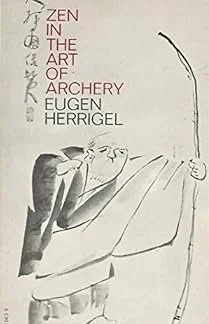
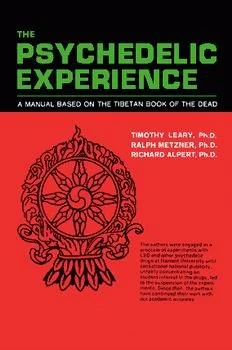
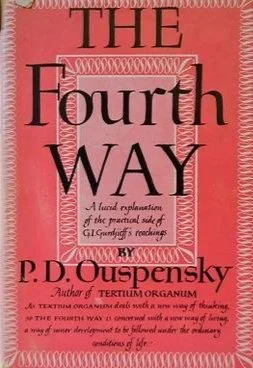
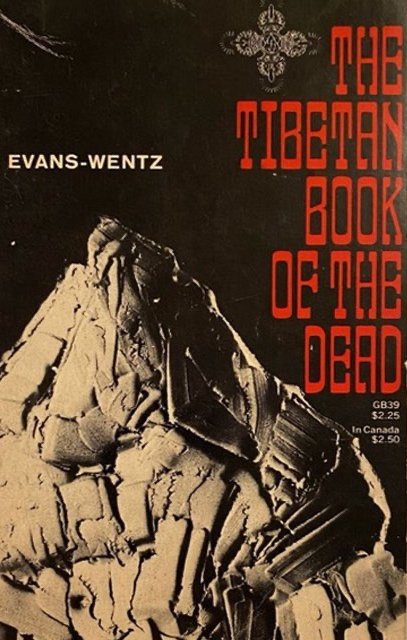
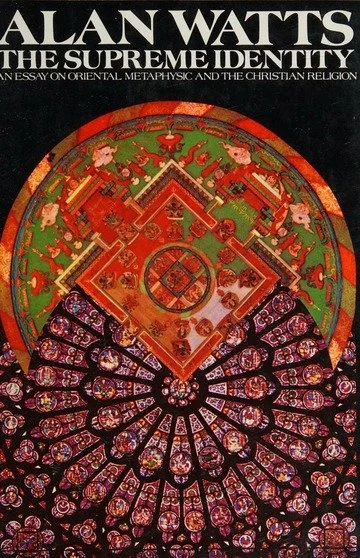
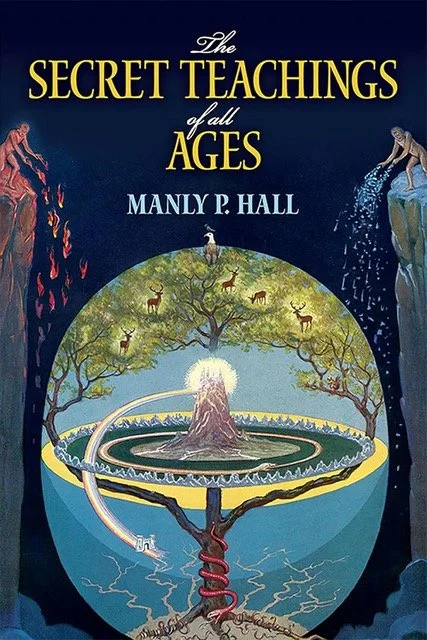
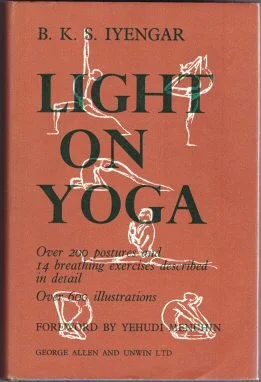
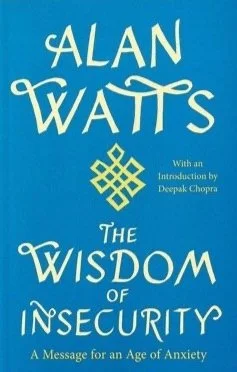
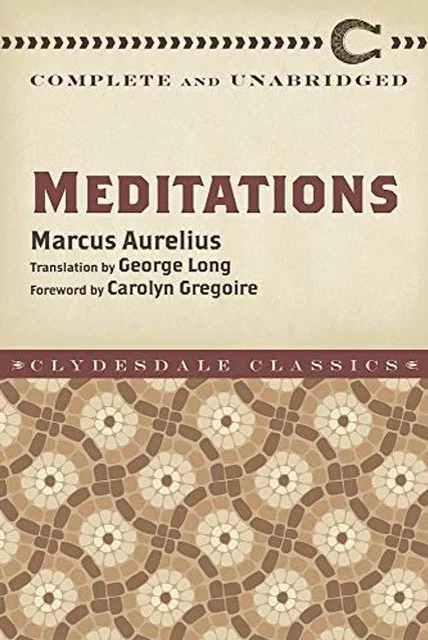
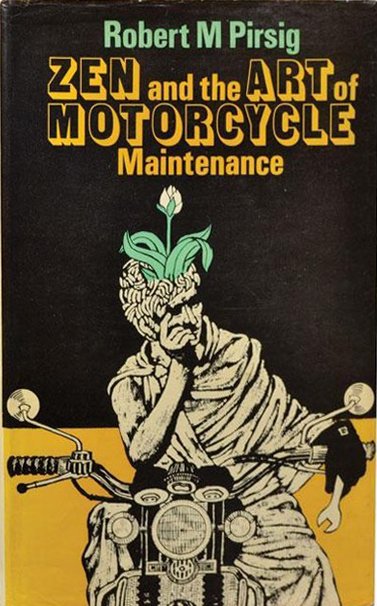
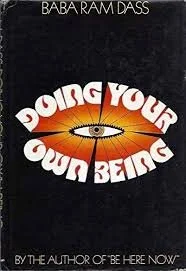
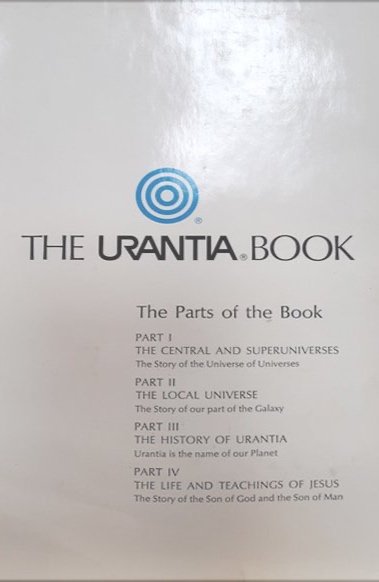
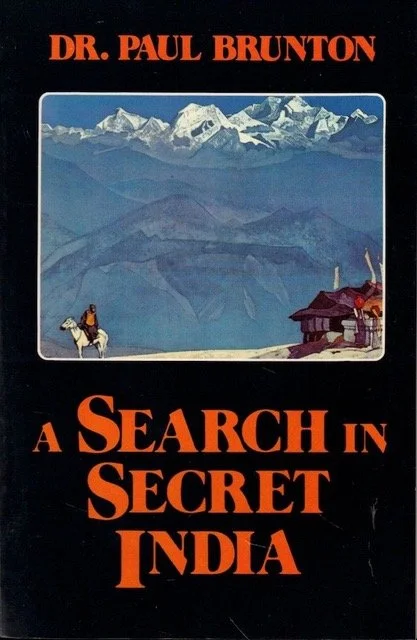
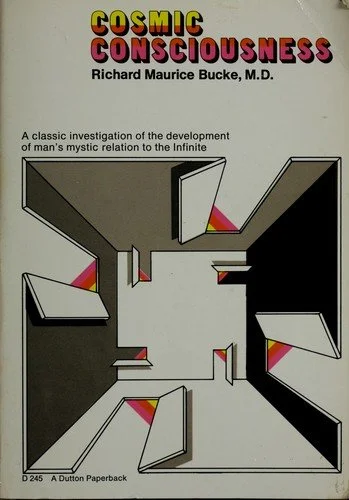
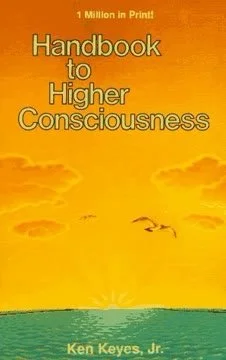
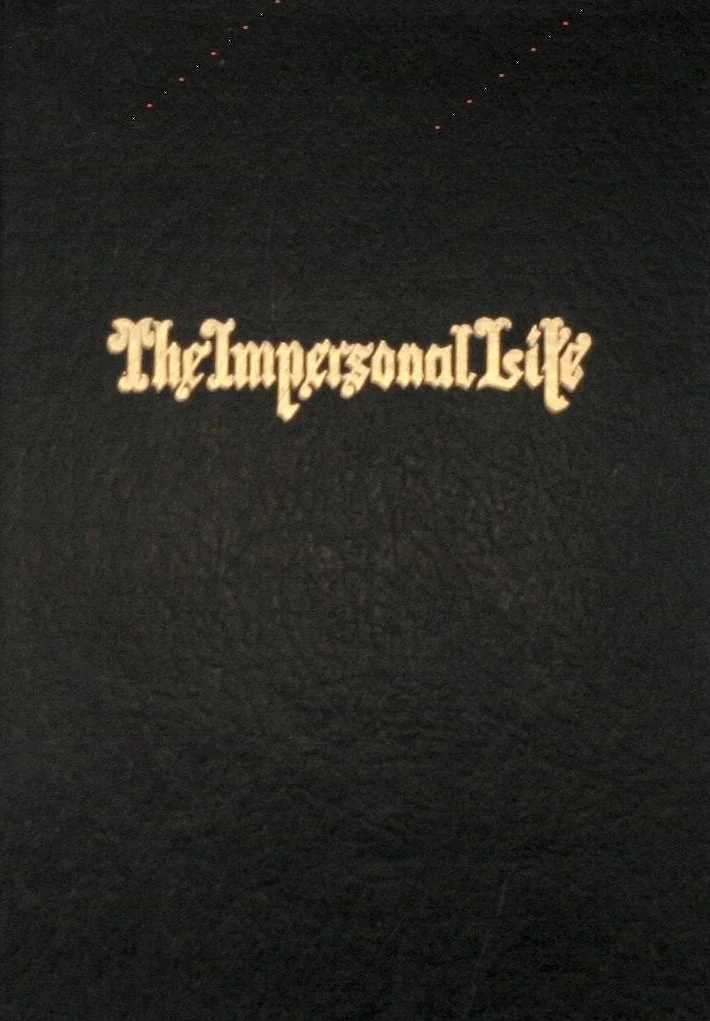
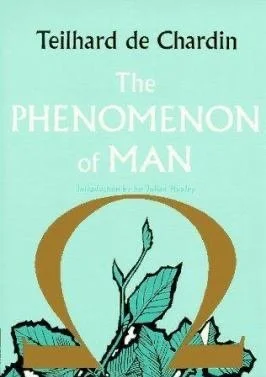
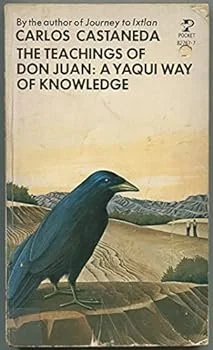
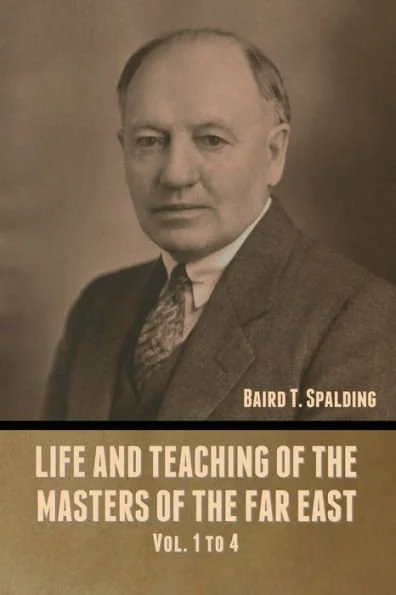
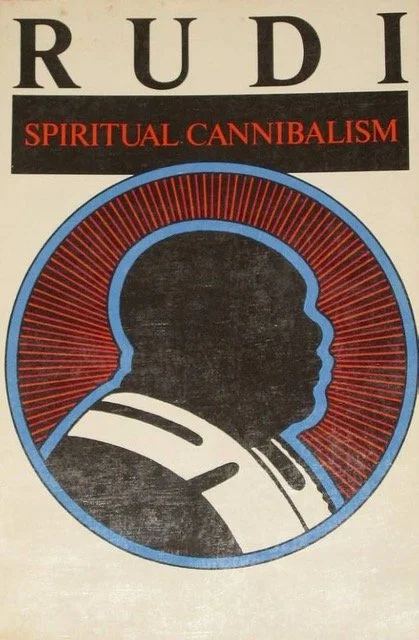
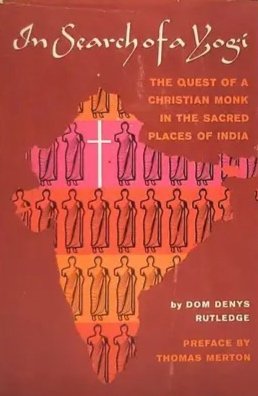
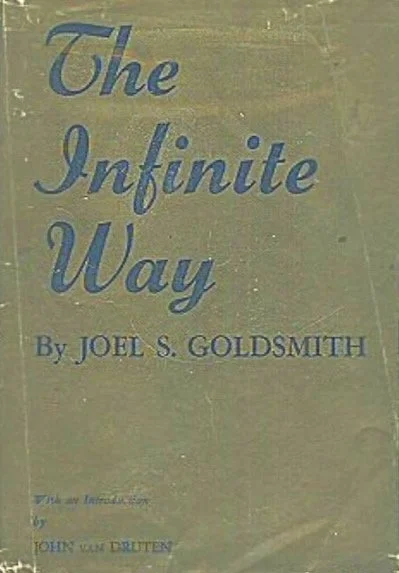
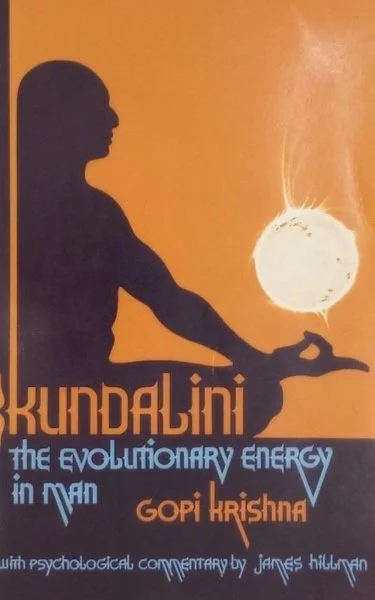
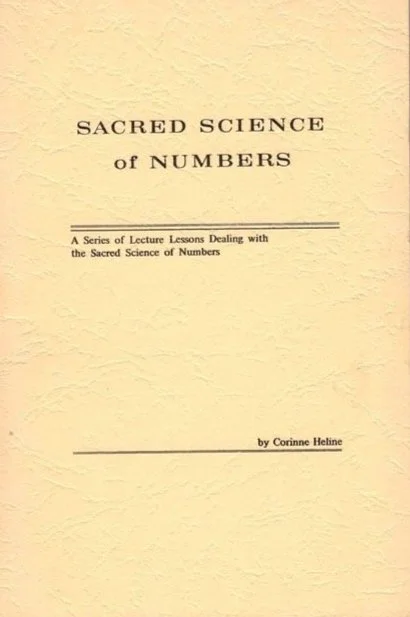
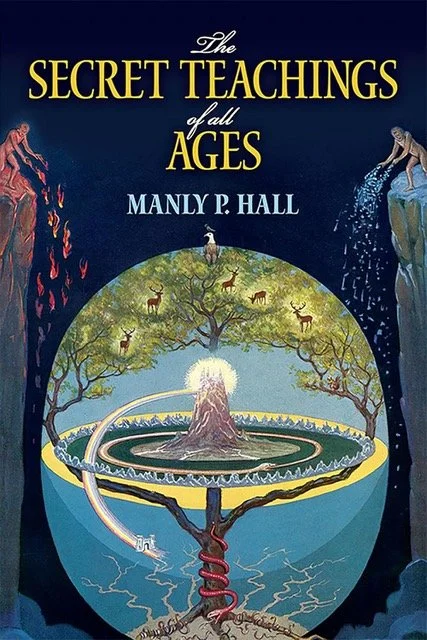
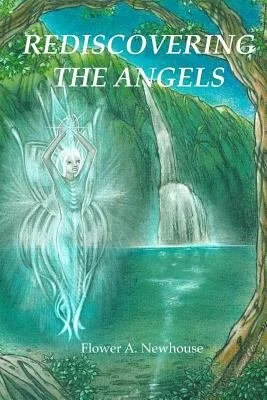
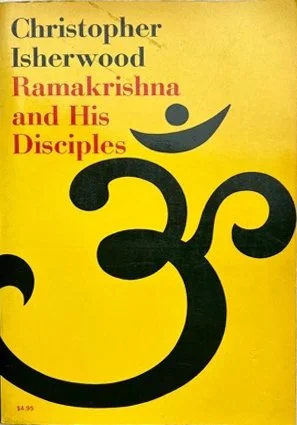
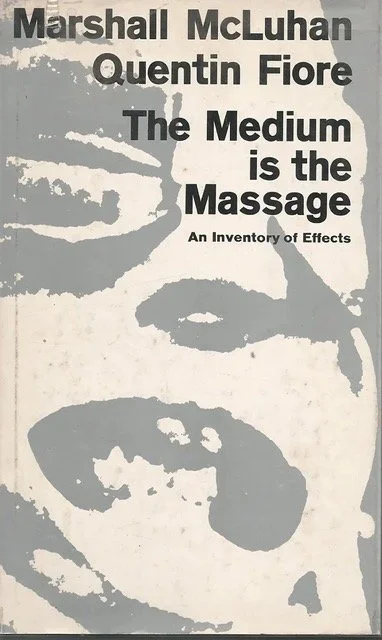
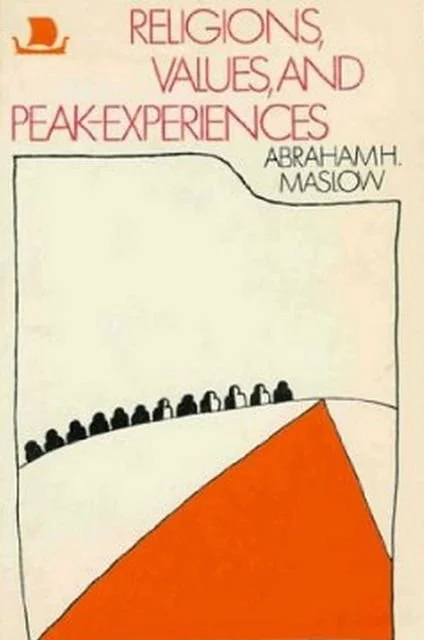
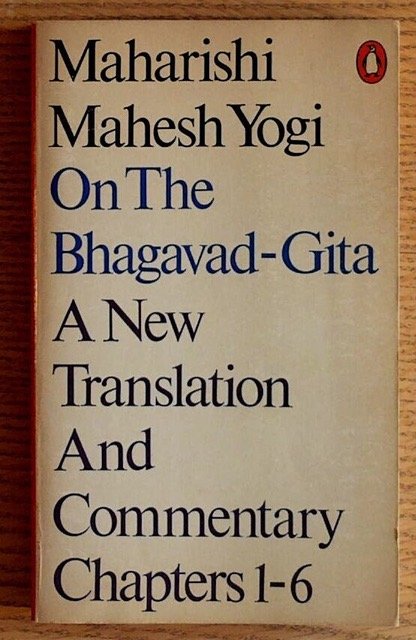
From 1967 to 1973, I read hundreds of books. The books pictured were among those books that deeply influenced me and helped shape my spiritual, social and political interests.
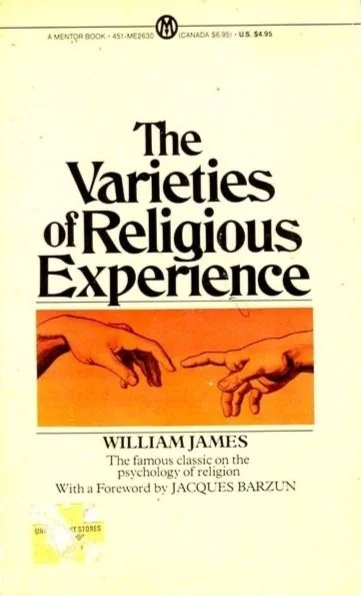
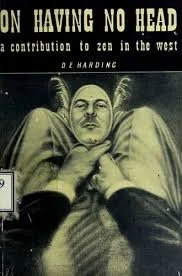









Either you know or you don’t.
1967 - 1973: Seeking and Exploring
During this season of searching and quiet exploration, I found myself drawn again and again to Flint’s cultural institutions—the Flint Public Library, the Longway Planetarium, the Bower Theater, The Whiting Auditorium, the Flint Institute of Arts, the Flint Institute of Music, and the Sloan Museum. These venerable spaces became something like sanctuaries to me. Within their walls I discovered not only refuge, but also the faint outlines of a life that felt more aligned with who I was becoming.
Each place held a particular kind of magic. The library offered the stillness of possibility; the planetarium opened vast skies above a small city; the theaters and concert halls pulsed with creativity and human expression; the museums preserved stories that stretched far beyond the boundaries of my immediate world. Together they formed a constellation of inspiration in a city otherwise defined by the rhythms of industry.
What these institutions represented resonated deeply with me. They suggested that life could be shaped by curiosity, imagination, and learning rather than by assembly lines and factory whistles. While many around me saw a future with General Motors or one of Flint’s other auto manufacturers as the natural and respectable path, I felt a quiet but persistent resistance to that idea. The prospect of working within the machinery of the auto industry never settled comfortably in my spirit.
Something else was stirring within me. In those cultural spaces, I sensed a different calling—one that pointed toward ideas, creativity, and discovery. I did not yet know exactly where that path would lead, but in those halls and galleries I caught my first glimpses of a future that felt truer to my soul.






















After all the pointers and teachings, there comes a time to just stop, be still and let it all happen.
—ADYASHANTI

1973: Transcendental Meditation Initiation
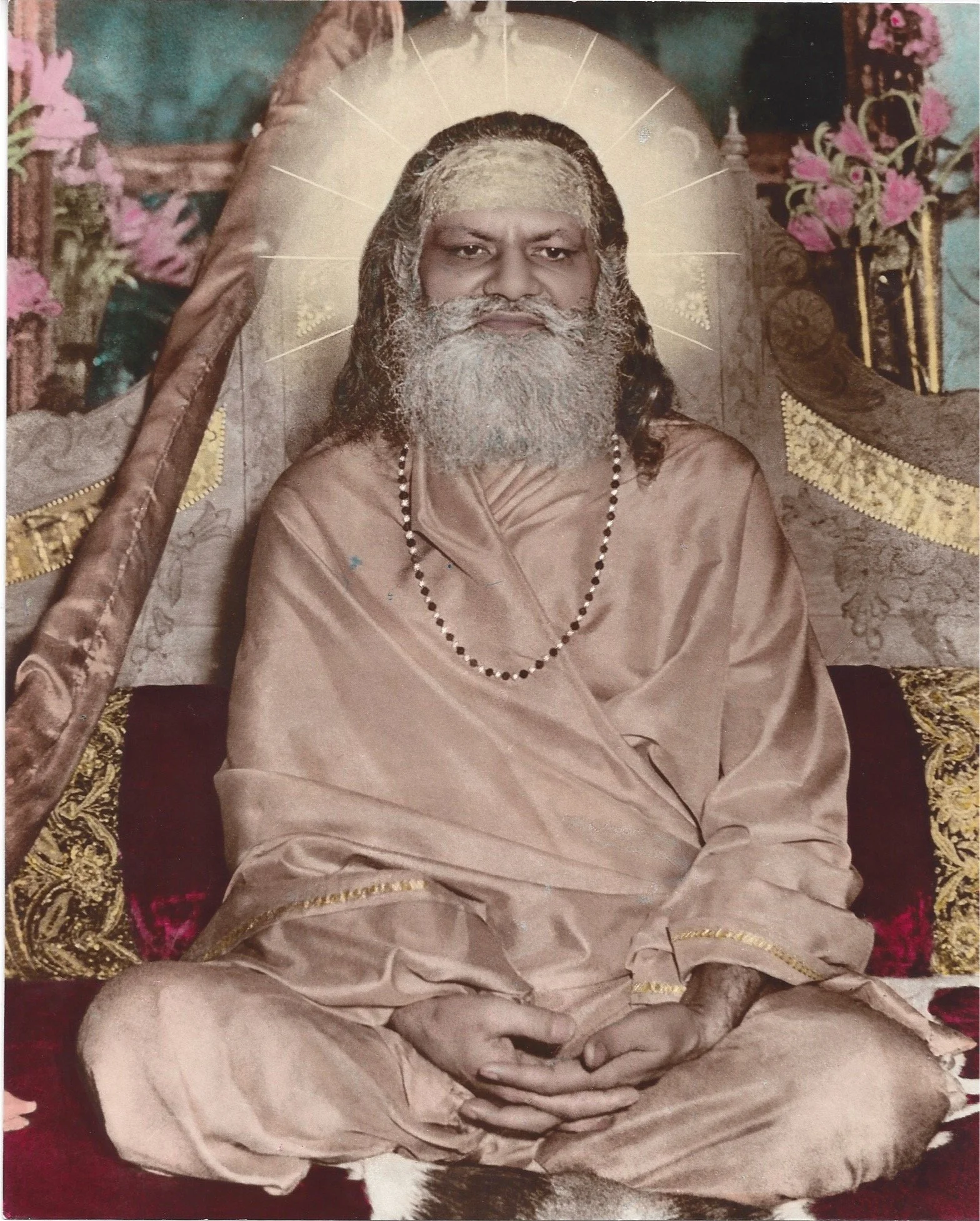
My interest in meditation was first stirred in 1967, inspired by Maharishi Mahesh Yogi and the very public spiritual journey of The Beatles. At the time, I was living in Flint, Michigan, and I knew of no local meditation teachers. So I turned to what was available: books.
It was not an ideal path—learning a subtle inner practice from printed pages—but it was a beginning. And for my modest appetite at the time, it was enough. I read widely, exploring many forms of meditation and related disciplines, trying to piece together an understanding through study and experimentation.
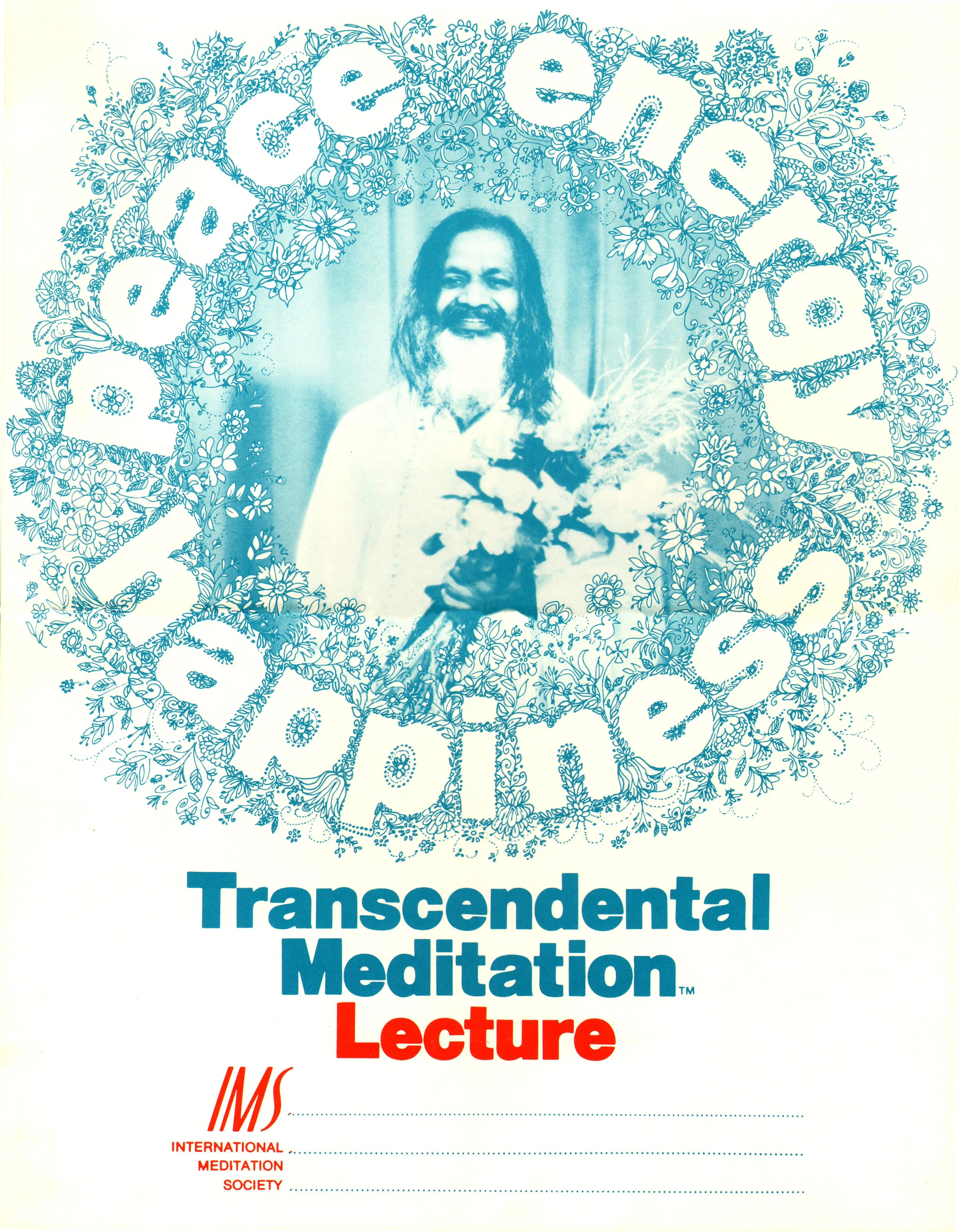
Then, in 1973, while walking across the campus of the University of Michigan, I noticed a poster bearing Maharishi’s image. It announced an introductory lecture to be held in the coming days. I took note of the time and place and continued on my way, quietly excited by the possibility of finally learning meditation through Maharishi’s teaching.
When the evening of the lecture arrived, I discovered that Maharishi himself would not be present. Instead, two teachers trained by him would conduct the talk. As I recall—honestly—I arrived somewhat “stoned,” nodded off during the presentation, and missed much of what was said.

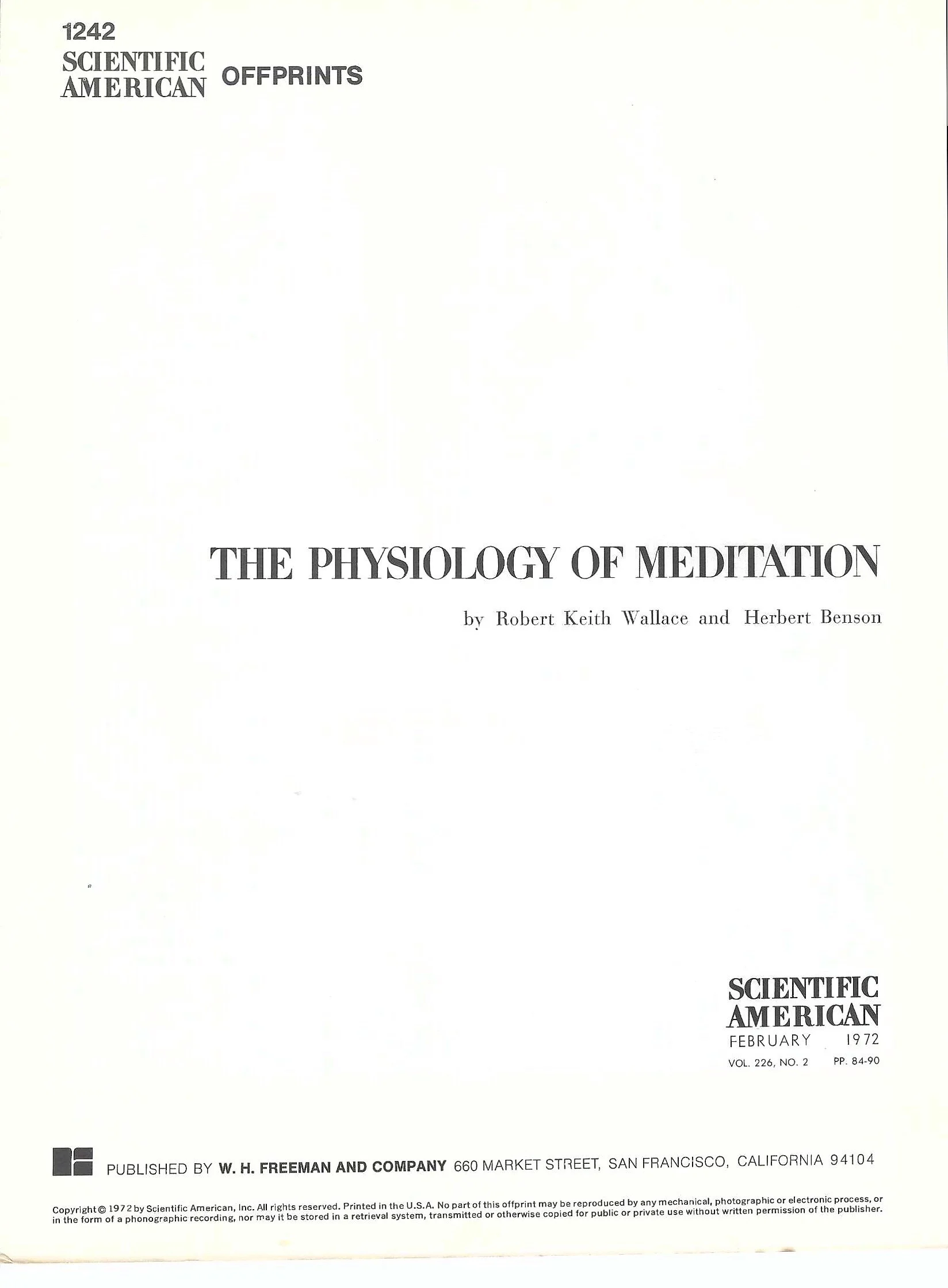
Oddly, that did not matter. Something deeper had already been set in motion. I knew I wanted to learn Transcendental Meditation, and I resolved to attend the next course.
The day of my instruction eventually arrived. I felt both excited and uncertain—eager to learn, yet unsure whether I possessed the ability to meditate. The weather mirrored my inner tension: cold and rainy.
When I entered the building where instruction was to take place, I was struck by an unexpected stillness. The atmosphere was quiet—profoundly so. The subtle fragrance of sandalwood incense filled the air. It felt as though I had stepped out of the ordinary world and into a space set apart.My teacher greeted me. His eyes were bright, clear, and steady. In his presence, my nervous anticipation began to dissolve. The settled atmosphere invited me to relax, to trust, to let go.
Soon, he motioned for me to join him in the instruction room.
Crossing that threshold felt like entering another realm. There was a palpable sense that something extraordinary—something sacred—was about to unfold.
And it did.
From the moment I received instruction and sat for my first meditation, something fundamental shifted within me. My life began to change—and it has continued to change ever since.
That first meditation revealed what I can only describe as an inner oasis: silent, unbounded, deeply still, and profoundly fulfilling. It was not something I created; it was something I discovered—something that had always been there.
Since that day, I have returned to that inner oasis daily. And each time, it continues to nourish and transform my life.
1973: Middle Earth Books and
Off-The-Wall Records
One of my first jobs was at Touch Boutique, a vibrant “head” shop that felt more like a cultural marketplace than a single store. Inside, a collection of small specialty shops offered clothing, records, books, shoes, health foods, black lights, posters, and an eclectic assortment of countercultural essentials. It was a place alive with music, ideas, and creative energy.
I began working at Off-The-Wall Records, one of the boutique’s anchor shops. There, I learned the mechanics and rhythms of retail. My responsibilities included tracking bestselling albums, purchasing inventory from a local one-stop record distributor, and keeping the walls and record bins stocked and visually engaging with in-demand releases. I quickly discovered that selling records was both an art and a business—requiring awareness of trends, an ear for emerging sounds, and an instinct for presentation. It was my introduction to the intersection of commerce and culture.
One afternoon during a lunch break, curiosity led me down the hall to Middle Earth Books, a metaphysical bookstore tucked within the same space. There I met its proprietor, Richard Strickland, who would become a trusted guide in my intellectual and spiritual exploration. Richard had a gift for recommending books that expanded my thinking, and our conversations were as nourishing as the texts he placed in my hands.
Before long, I transitioned from selling records to joining Richard at Middle Earth Books. Under his mentorship, I learned not only the practical aspects of bookselling—inventory, customer guidance, and curation—but also the deeper responsibility of connecting people with ideas that could inform, challenge, and inspire them.
Together, these early experiences shaped more than my work ethic; they deepened my commitment to knowledge, creativity, and the arts. The lessons I learned within those walls—about culture, curiosity, and meaningful exchange—remain foundational in my life, and the memories endure with clarity and gratitude.

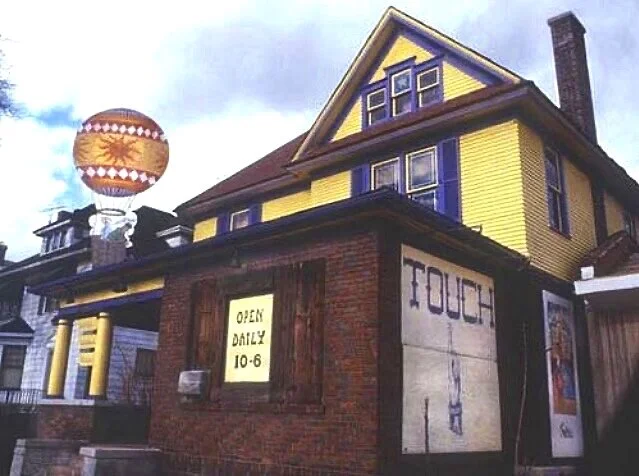
TOUCH BOUTIQUE BOOKSTORE IN FLYNT
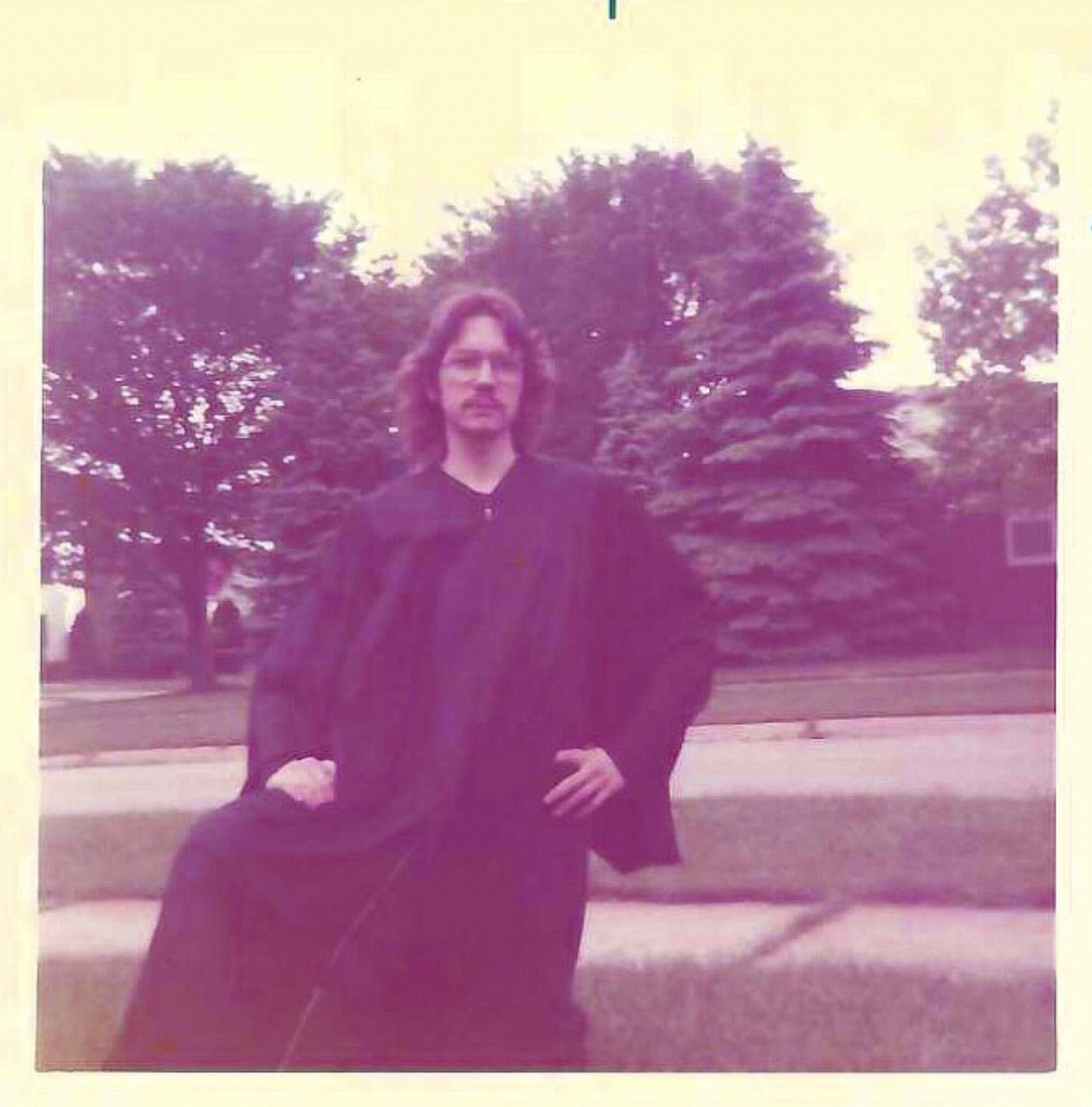
1974: Graduation Ceremony or Mexico?
High school graduation offered a simple but defining choice: walk across the stage with my class, or travel south to Mexico with my girlfriend and her family—to the country they called home.
For me, the decision came easily. The pull of the unknown was stronger than ceremony. Mexico was waiting.
By then I had devoured the books of Carlos Castaneda, whose tales of desert sorcery and hidden knowledge had already stirred my imagination. My earlier experiments with psychedelics had only deepened that sense that reality held secret layers just beneath the surface.
So the thought of Mexico—the pyramids rising from ancient earth, the deserts shimmering with heat, the jungles thick with mystery—felt less like a trip and more like a doorway. I believed I was heading toward something mystical, something just beyond the ordinary world.
1975: MEDITATION TEACHER TRAINING
Soon after learning Transcendental Meditation, a quiet but unmistakable certainty began to grow within me: I wanted to become a meditation teacher. The practice had opened a door in my awareness that I had not known existed, and stepping through it felt like discovering a deeper current beneath the surface of everyday life. I felt compelled not only to continue exploring that inner landscape myself, but also to help others find their way to it.
I shared this aspiration with my TM teacher, who listened thoughtfully and then gently began guiding me along the path that would make it possible.
Becoming a teacher of Transcendental Meditation was not simply a matter of enthusiasm; there were several prerequisites that had to be fulfilled before one could even apply to attend a Teacher Training Course (TTC). Some requirements were practical, others more symbolic, meant to reflect a willingness to let go of old attachments and adopt the discipline of the path.
One requirement, however, struck me more personally than the others: I had to cut my long hair.
At the time, my hair was something I was deeply attached to. It had become part of my identity—an outward expression of who I believed myself to be. The thought of cutting it off felt strangely momentous, almost like relinquishing a small piece of myself. I hesitated. Vanity, habit, and sentiment all rose up in quiet protest.
But the desire to grow—to deepen my spiritual life and move forward on the path—proved stronger than my attachment to appearance. In the end, I sat down in the barber’s chair and watched as the long locks fell away. What I had feared would feel like a loss instead felt like a small initiation, a shedding of the old in preparation for something new.
With that step behind me and the other requirements completed, I was finally ready.
Livingston Manor Experience
Certain memories do not fade with time; they remain vivid, almost tangible, as if the body itself remembers. One can still feel the texture of the moment through all the senses—the sounds, the physical sensations, the emotional atmosphere that surrounded it. My first experience of group rounding was one such memory.
This took place in 1975, during a period when I was experiencing strong Kundalini-related physical movements. My meditation practice had begun to trigger powerful bodily responses—spontaneous surges of energy, involuntary motions, and waves of sensation that moved through my nervous system. At the time, these experiences were both fascinating and unsettling.
The course instructors suggested that I attend a group rounding session. Their reasoning, as I understood it, was that the collective field of meditation created by the group might help stabilize my system. In that setting, the shared practice of many meditators was believed to amplify the effects of meditation while simultaneously smoothing the process of stress release in each individual. The group consciousness, so the theory went, could provide a supportive container in which the nervous system might settle more easily.
So I went.
I remember arriving at the meditation room and quietly taking my seat among the others. The atmosphere was calm and expectant. Cushions were arranged neatly, and the soft murmur of people settling in gradually faded into silence. We waited for the meditation to begin.
Shortly after the session started, my body began to move. At first it was subtle—small tremors running through my muscles. But the movements quickly intensified. My body began shaking in pronounced waves, as if currents of energy were passing through me.
Then something unexpected happened.
I started to laugh.
At first it was just a small burst of laughter, the kind that escapes before you can quite contain it. But within moments it deepened into something far more powerful. It was not ordinary laughter; it rose up from somewhere deep inside, uncontrollable and continuous.
A local TM teacher drove me north to Livingston Manor, New York, nestled in the tranquil Catskill Mountains. The journey itself felt like a passage from one world into another. As we left the bustle of everyday life behind and entered the quiet wooded landscape, I sensed that something important was beginning.
There, I began Phase One of the TTC—a four-month residential immersion into meditation and Vedic knowledge.
Life during the course unfolded according to a gentle yet disciplined rhythm. We meditated for hours each day, allowing the mind to settle again and again into the stillness beneath thought. We listened to recorded lectures by Maharishi, whose voice carried both clarity and conviction as he spoke about consciousness, the nature of reality, and the profound simplicity of the technique.
Our days were also filled with practices that supported inner balance and refinement. We practiced Hatha Yoga and pranayama, stretching and breathing in ways that harmonized the body with the mind’s deep rest. At times we gathered to listen to Vedic pundits chanting the Sama Veda—ancient melodies whose resonant tones seemed to vibrate not only in the room but somewhere deeper within our awareness.
Meals were simple and nourishing—vegetarian food prepared with care. Occasionally we undertook periods of juice fasting, giving the body a chance to rest and reset. There were long solitary walks through the forested landscape, moments of quiet reflection beneath tall trees and wide skies. We received massages, went to bed early, and gradually settled into a lifestyle that felt both structured and deeply restorative.
It was a period of immersion—not only in meditation, but in a way of living that supported clarity, simplicity, and introspection.
When Phase One concluded, I returned home to my local TM center to begin the next stage: field work. This was the practical preparation that would lead toward Phase Three of teacher training, where the knowledge gained during the course would be refined into the ability to guide others.
Step by step, the path was unfolding.
Without fully realizing it at the time, I was moving toward a role Maharishi described in a phrase that both amused and inspired me: I was on my way to becoming an “exponent of reality.”
In other words, someone whose task was simply to point others toward the quiet, limitless field of awareness that had already begun transforming my own life.
My whole body was shaking with it. The laughter rolled through me in waves—deep, resonant, unstoppable. Soon tears were streaming down my face.
The laughter became so intense that it disrupted the stillness of the room. One by one, the others began to laugh as well. The carefully maintained silence of the meditation hall dissolved into a strange and contagious wave of amusement.
One of the meditation leaders approached quietly and suggested that I step out into the hallway and continue meditating there. The intention was simple enough—to minimize the disturbance so the group could continue their practice.
I agreed and moved out into the corridor.
But the laughter did not stop.
There I sat in the hallway, attempting to meditate while waves of laughter continued to pour through me. From behind the closed door of the meditation room I could hear the group inside—many of them still laughing too, as if the moment had taken on a life of its own.
Eventually the meditation period came to an end. When it was over, I made my way back toward my room in the hotel’s Press Club wing. As I walked down the corridor, I noticed something extraordinary: it felt as if I were not really walking at all.
It felt as though I was floating.
My body felt light and buoyant, almost effortless, as though the ground beneath my feet had softened. The laughter had subsided, but a quiet joy lingered in its wake.
That night, after the evening meal and program, I slept deeply—one of those rare, enveloping sleeps that seems to restore every part of the body.
When I woke the next morning, my mind was calm and clear. My body felt light, relaxed, and peaceful, as if something within had settled into a new balance.
Even now, decades later, the memory remains vivid. Not merely as a story, but as a sensation—an echo in the body of that strange and liberating evening when meditation, laughter, and energy intertwined in a way I had never experienced before.

JOHN IN AVORIAZ
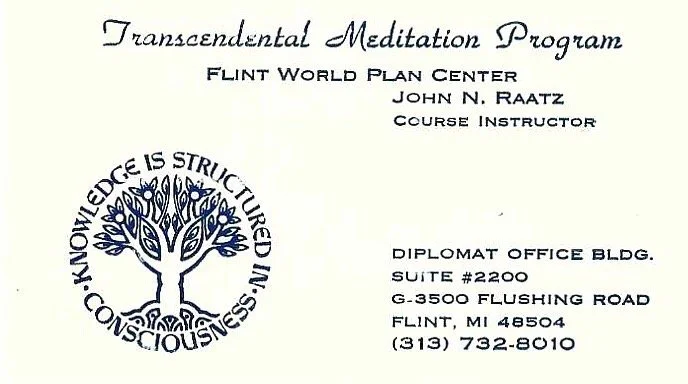
After completing my field work at the Flint TM Center, I submitted my application for Phase Three, the final and most advanced stage in the process of becoming a Transcendental Meditation teacher. It represented the culmination of years of study, practice, and personal transformation—a threshold between being a devoted practitioner and stepping into the role of guiding others on their own inward journeys.
At first, however, my application was not accepted.
During that time I was experiencing powerful kundalini awakenings—deep energetic movements that can arise through intensive meditation practice. While meaningful and transformative, these experiences can also be destabilizing if they are too strong. The course office felt it was best for me to wait until these energies had settled before entering Phase Three. Their reasoning was simple: this stage of the training required not only dedication, but also steadiness and clarity. Phase Three was known to be far more demanding than Phase One—longer meditation periods, deeper rounds of practice, and a schedule that required sustained concentration and balance.
So I waited.
Months passed as I continued my practice, allowing the intense energetic currents within me to settle into a more integrated and harmonious flow. Eventually, word came: I had been accepted.
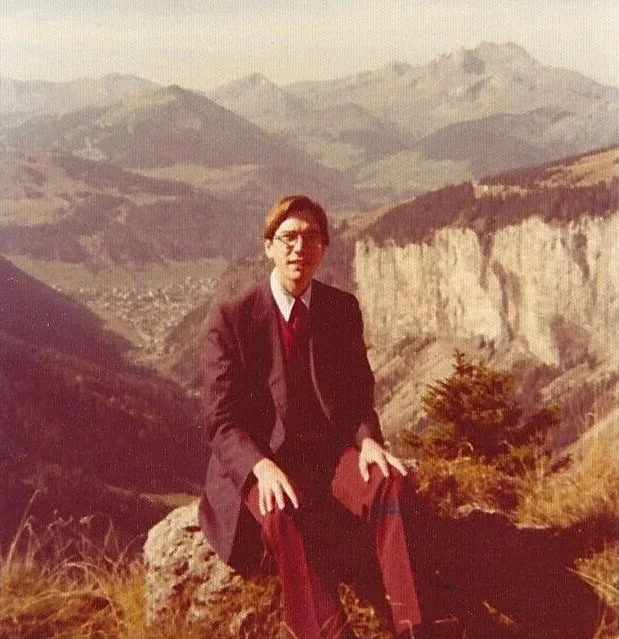
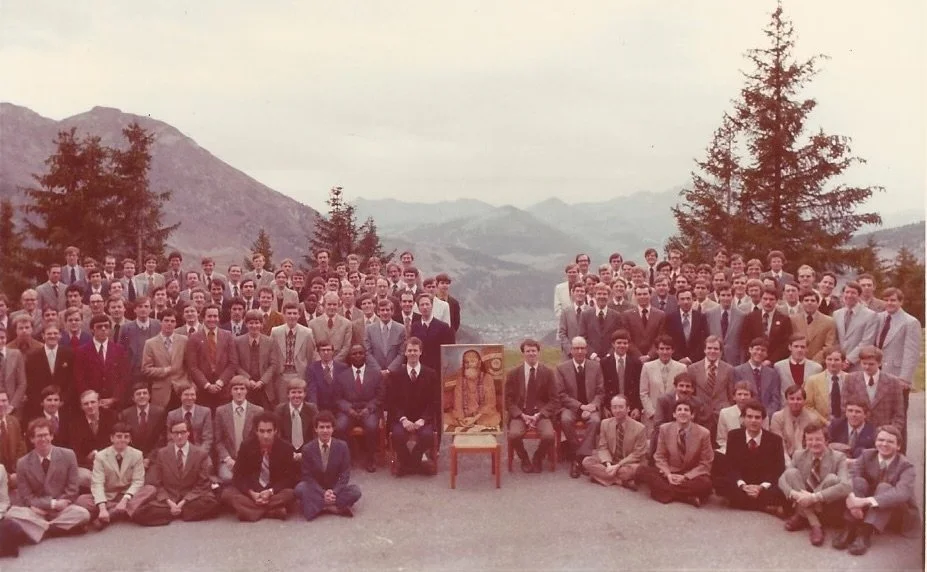
With a mixture of excitement, anticipation, and a touch of awe, I packed my bags and set out for Avoriaz, a small alpine village where the Teacher Training Course would be held. Perched high in the French Alps, Avoriaz was a world away from anything I had previously experienced.
The journey there proved to be an adventure in itself—one of those trips where nearly everything that could go wrong seemed determined to do so. Missed connections, confusing directions, and unexpected obstacles turned the travel into a test of patience and perseverance. My travel companion and I navigated the mishaps as best we could, often laughing at the absurdity of it all. By the time we finally reached our destination, we were exhausted but exhilarated.
Our hotel sat high in the mountains, surrounded by snow-covered peaks and crisp alpine air. From our vantage point we could see the majestic silhouette of Mont Blanc rising in the distance, its massive summit gleaming above the horizon. The view alone seemed to prepare the mind for meditation.
Phase Three unfolded as an immersion in spiritual discipline. Our days were filled with long periods of meditation, study, and a practice known as group rounding—cycles of meditation and yogic practices performed collectively. The power of meditating with hundreds of others in silence created an atmosphere that was almost tangible, as if the air itself carried a quiet vibrancy.
Although the technique of Transcendental Meditation is beautifully simple, the process of learning to teach it was anything but casual. The training was meticulous and exacting. Every aspect—from how to introduce the practice to new students, to how to guide them through their first experiences—was examined with care. The aim was not merely to transmit a technique, but to preserve its purity and effectiveness.
Months passed in this rhythm of practice and study.
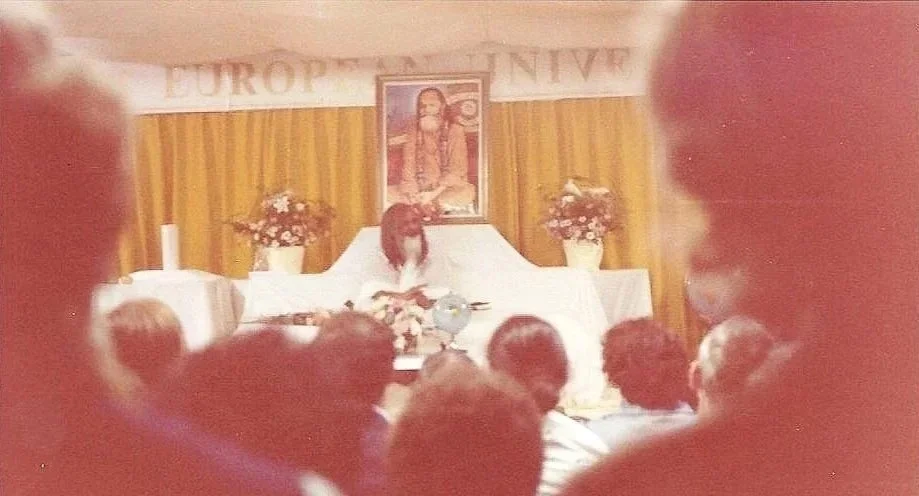
Then one day an announcement electrified the entire course: Maharishi Mahesh Yogi himself would be joining us.
When he arrived, the atmosphere shifted instantly. Maharishi delivered several lectures to our group—talks that blended humor, profound insight, and an almost childlike delight in consciousness and creativity. His presence brought a sense of completion to our training.
When graduation day arrived, it carried an extraordinary significance. Maharishi personally conducted the final initiation into teaching. One by one, each of us approached him. In a quiet, intimate moment, he whispered the final steps of the teaching procedure to each new teacher.
It was the last Teacher Training Course where he personally graduated teachers in this way.
The date was October 19, 1976.
That moment remains etched in my memory with remarkable clarity. Even now, decades later, it continues to influence and inspire me.
1976: Meditation Teacher Training
and Inspiration for GATE
The Avoriaz Epiphany: “The Artist and the Scientist”

At one point during the course, I had the unexpected privilege of spending a few private minutes with Maharishi. The details of that encounter deserve their own telling—perhaps in the pages of a book someday.
But there was another moment during the course that proved equally significant.
During one of his lectures, Maharishi spoke about the role of the artist in society—about creativity as an expression of consciousness and about how art has the power to elevate collective awareness.
His words struck something deep within me. They seemed to connect meditation, creativity, and cultural transformation into a single vision. I left that lecture feeling electrified.
To this day I refer to that moment as “The Avoriaz Epiphany.”
Looking back, I believe that lecture planted a seed—one that would eventually grow into the Global Alliance for Transformational Entertainment, or GATE. What began as a spark of inspiration in a snow-covered alpine village would later evolve into a broader vision: the possibility that art, media, and entertainment could become powerful vehicles for awakening consciousness in the world.
And it all began there, in Avoriaz, high in the mountains, in the quiet after meditation, when a single idea took root.

1976: TEACHING MEDITATION BEGINS
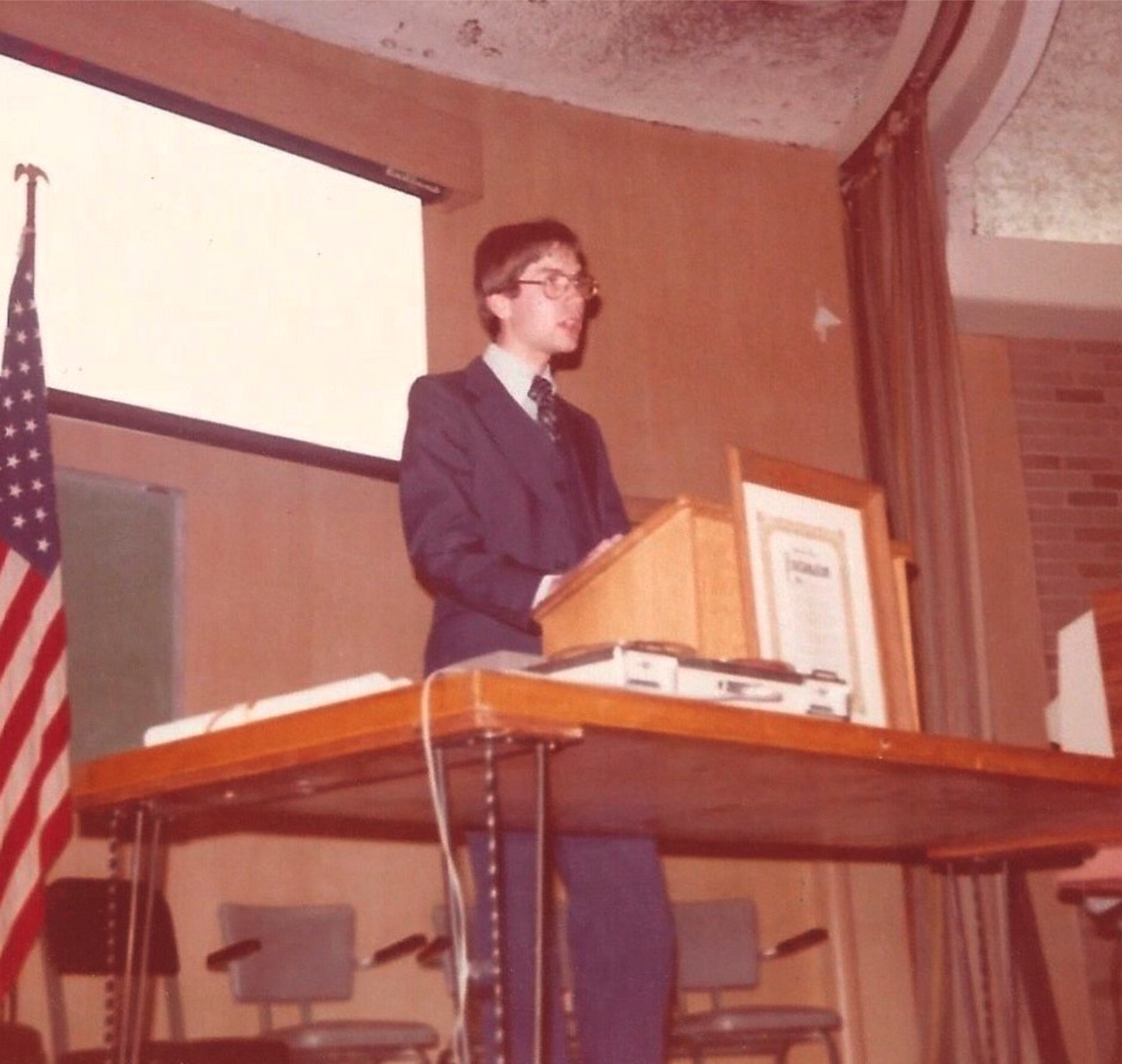
After completing my Teacher Training Course in Transcendental Meditation, I returned to Flint, Michigan, filled with enthusiasm and a deep sense of purpose. I had gone away as a student eager to learn; I came back ready to serve. My intention was simple but powerful—to devote myself fully to teaching Transcendental Meditation and helping bring its benefits to as many people as possible in the Flint community and beyond.
Not long after my return, I was appointed Center Chairman, the individual responsible for leading the local TM organization and coordinating the teaching and outreach activities throughout the Flint area. It was both an honor and a responsibility I embraced wholeheartedly. The role required organization, dedication, and constant engagement with the community—but above all it required a sincere commitment to sharing the knowledge and experience of Transcendental Meditation.
The very first course I taught after returning remains etched vividly in my memory. It began at 8:00 a.m. on a Sunday morning. One by one, people arrived—curious, hopeful, and often searching for something more in their lives. As the day unfolded, I found myself moving from instruction to discussion, from personal interviews to group meetings, guiding each participant through the process of learning the technique.
What I expected to be a few hours of teaching gradually extended into an entire day. By the time the final session concluded, it was 10:00 p.m. I had been teaching continuously for fourteen hours. I was physically exhausted, yet inwardly I felt an extraordinary sense of fulfillment. The day had brought delight, confirmation, joy, and a profound sense that I was doing exactly what I had been meant to do.
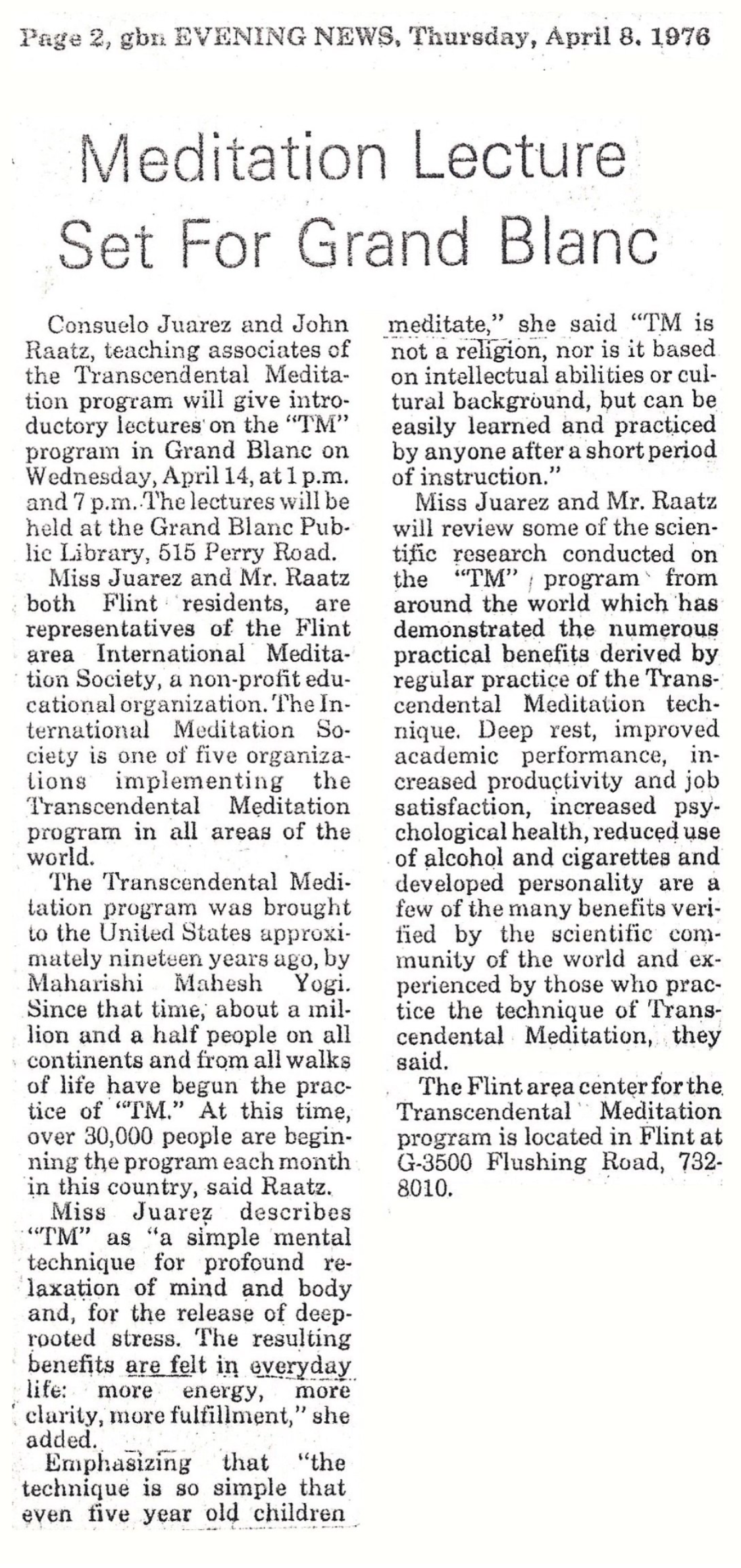
As time passed, the number of people coming to learn Transcendental Meditation continued to grow. Word spread quickly—through friends, families, workplaces, and community groups. There were periods when I was teaching so many new students that it began to attract attention beyond the local level.
One day I received a call from the international TM headquarters in Switzerland. The caller explained that Maharishi had noticed the unusually large number of people learning in the Flint center and wanted to know what I was doing to attract so many participants. It was both surprising and deeply humbling to hear that my work had reached his awareness.
I shared with them an outline of the activities we had been organizing—public introductory lectures, community outreach, follow-up programs for meditators, and personal efforts to meet people wherever there was interest. The approach was simple: speak sincerely, make the knowledge accessible, and provide genuine support for everyone who wished to learn. When this summary was conveyed to Maharishi, I was told that he was delighted.
In the years that followed, my days were filled with teaching and organizing a wide range of programs. I taught the basic Transcendental Meditation course to new students, led the preparatory classes for the TM-Sidhis program, and presented the Science of Creative Intelligence course. I also organized in-residence programs, retreats, group meditations, and community events designed to deepen people's experience and understanding.
The work was demanding, often requiring long hours and constant activity, but it never felt burdensome. Each course brought new people, new stories, and new moments of discovery as individuals experienced the quiet, expansive awareness that meditation awakens.
Looking back, those years stand out as one of the most fulfilling and joyful periods of my life. There was a sense of momentum, of shared purpose, and of participating in something larger than oneself—a movement dedicated to personal growth, inner peace, and the possibility of creating a more harmonious world.
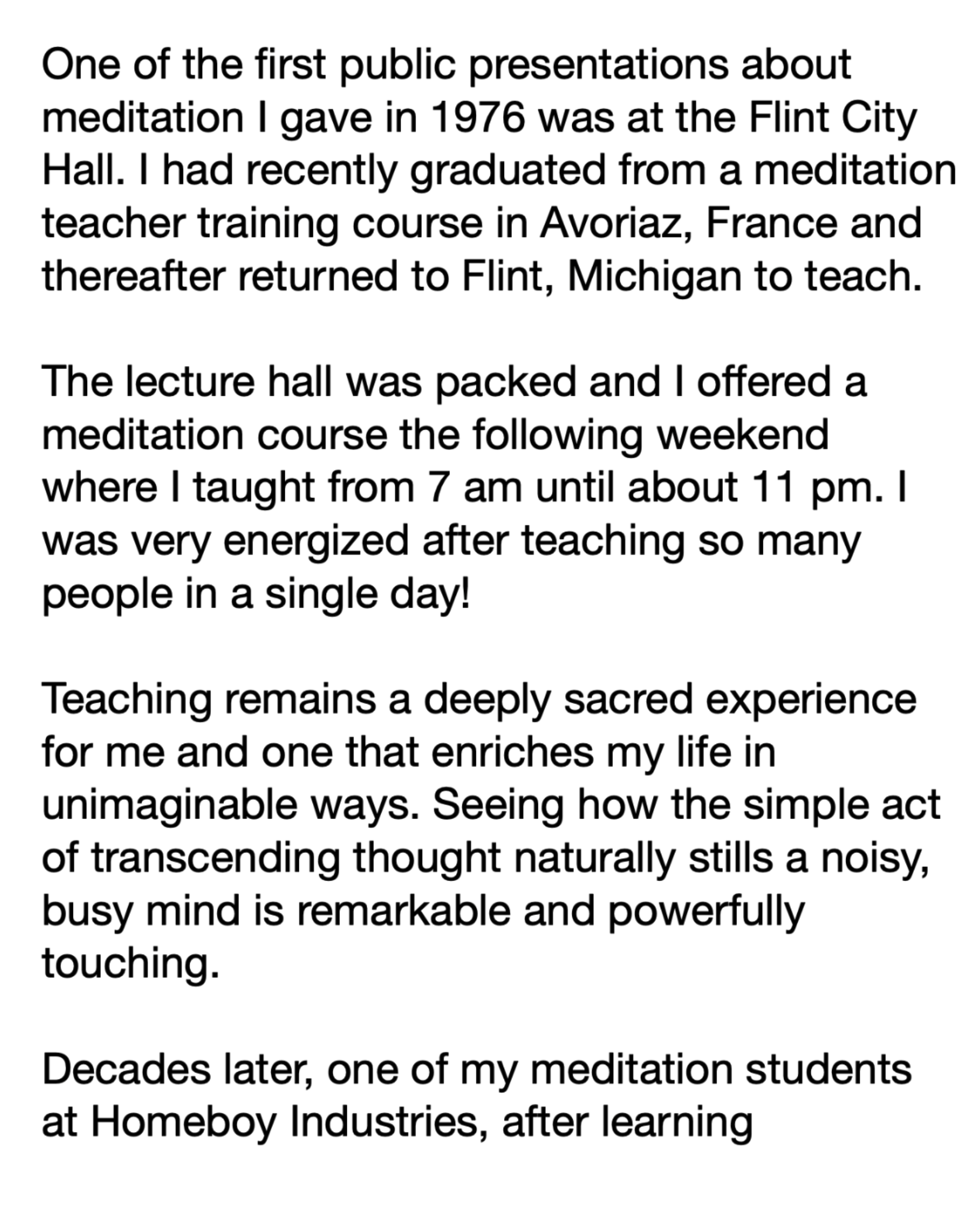
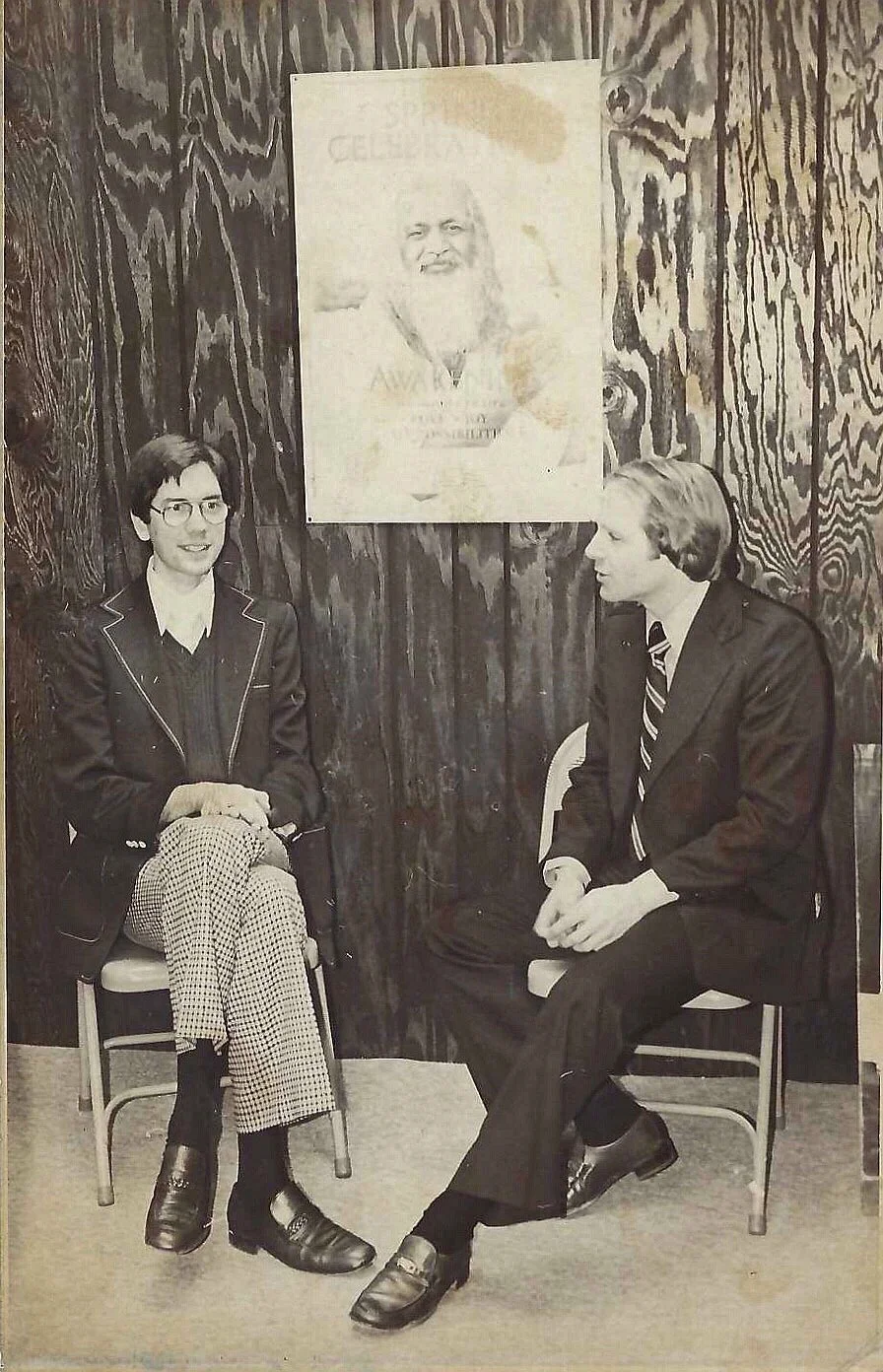
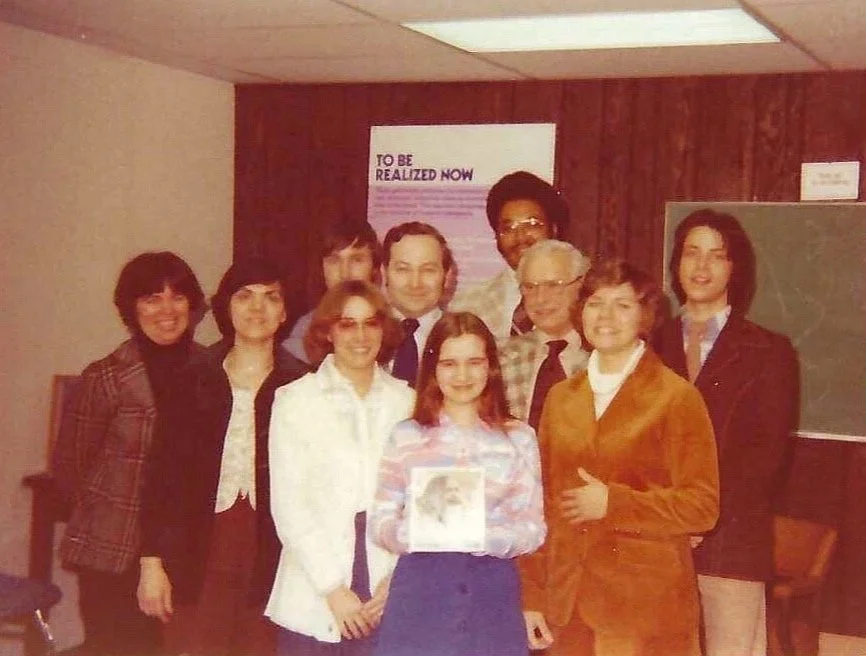
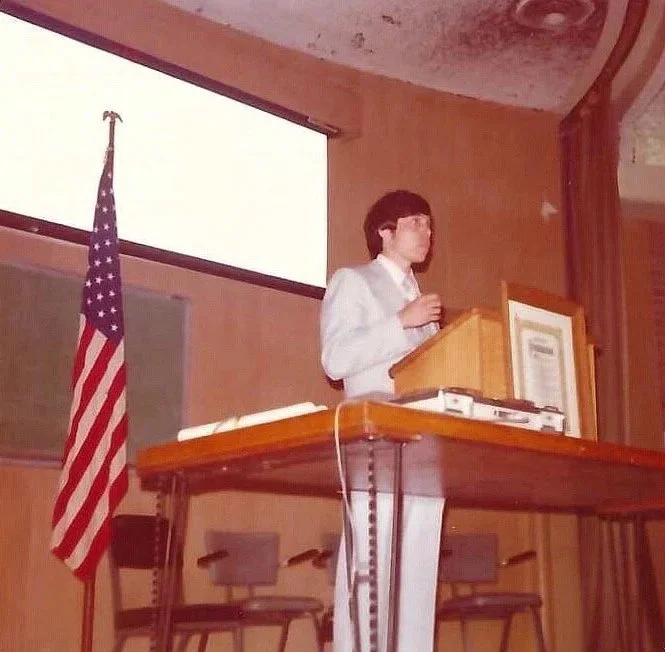
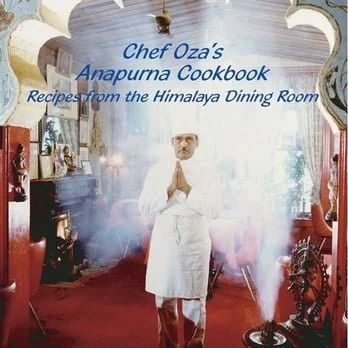
1977 was the year I first tasted authentic Indian cuisine, and it quickly became my favorite. Chef Oza of the Himalayan Dining Room in Windsor, Ontario, Canada prepared a special meal for my dining party and me when he learned it was my first experience with the flavors of India. That memorable introduction sparked a lifelong appreciation for Indian food. To this day, it remains my favorite cuisine, and I have enjoyed dining in Indian restaurants around the world.
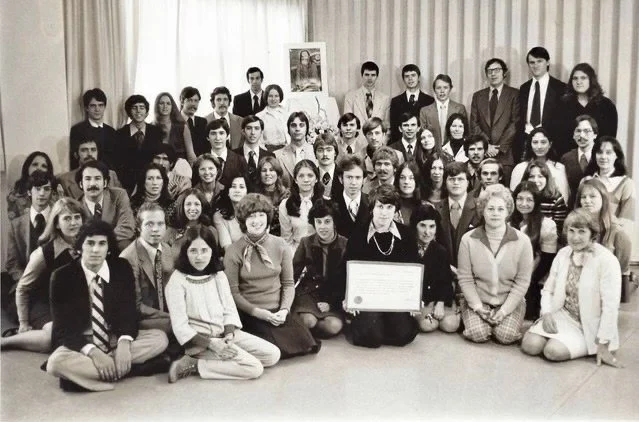
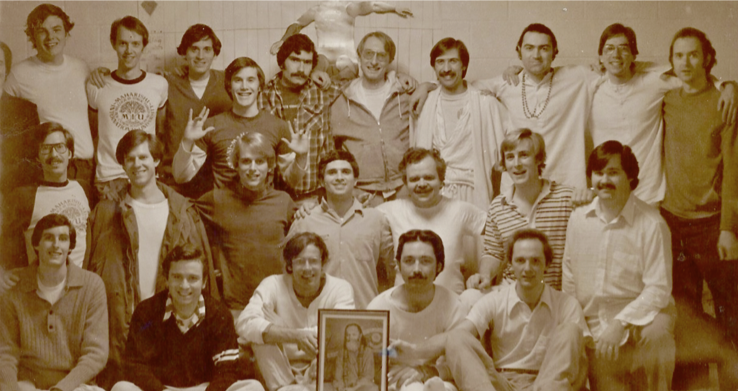
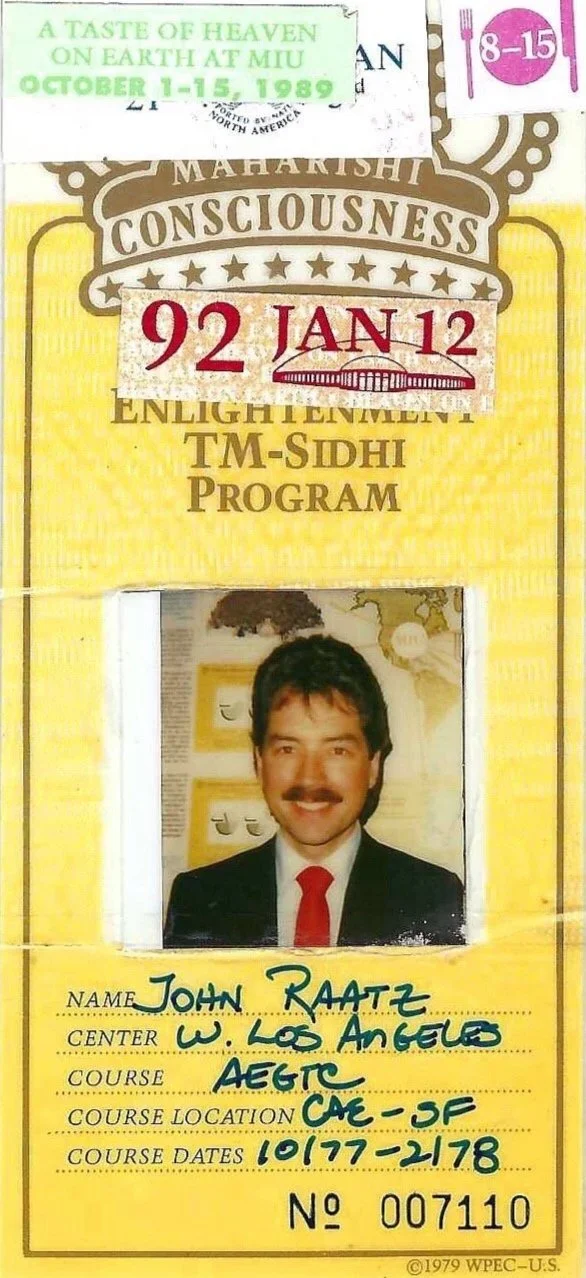
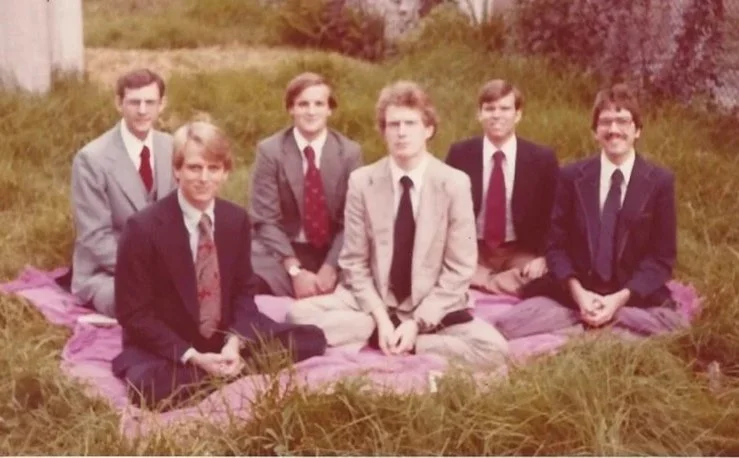
On this advanced training course for TM Teachers, we learned the TM-Sidhis techniques. My group—pictured here—had just learned the “yogic flying” technique and had completed our first group session together. For security, all participants wore badges that granted us access to the group program and the flying hall.
generated in individual consciousness could radiate outward, influencing the surrounding environment. This idea—that collective meditation could contribute to harmony in society—became a central theme in the evolving mission of the TM organization.
The goal was ambitious: to create groups large enough to generate measurable effects in the collective consciousness of society, helping to reduce stress, conflict, and instability in the world. In this way, the advanced practices were not seen merely as personal development, but as part of a global effort to promote peace.
When we completed the course, those of us who had been trained in the TM-Sidhis program were given a distinctive title: “Governor of the Age of Enlightenment.” It was not a political role, of course, but a symbolic one—reflecting the idea that individuals who cultivated higher states of consciousness could help guide society toward a more harmonious future.
This title echoed a larger declaration Maharishi had made several years earlier. In 1975, he had proclaimed that “through the window of science, we see the dawning of the Age of Enlightenment.” By that time, a growing body of scientific research had begun to document the benefits of Transcendental Meditation—reduced stress, improved health, increased clarity of mind. Even more intriguing were early studies suggesting that group meditation might influence social indicators such as crime and conflict.
For Maharishi, these findings were more than academic. They represented a bridge between ancient wisdom and modern scientific understanding. If meditation could reliably improve the quality of individual life—and if collective practice could influence the atmosphere of society—then humanity might possess a practical means of creating a more peaceful world.
It was this vision that inspired the inauguration of what Maharishi called the “Dawn of the Age of Enlightenment.” The training we received in South Fallsburg felt like a small but meaningful step in that larger unfolding story: a personal journey inward that was also intended to ripple outward into the life of the world.
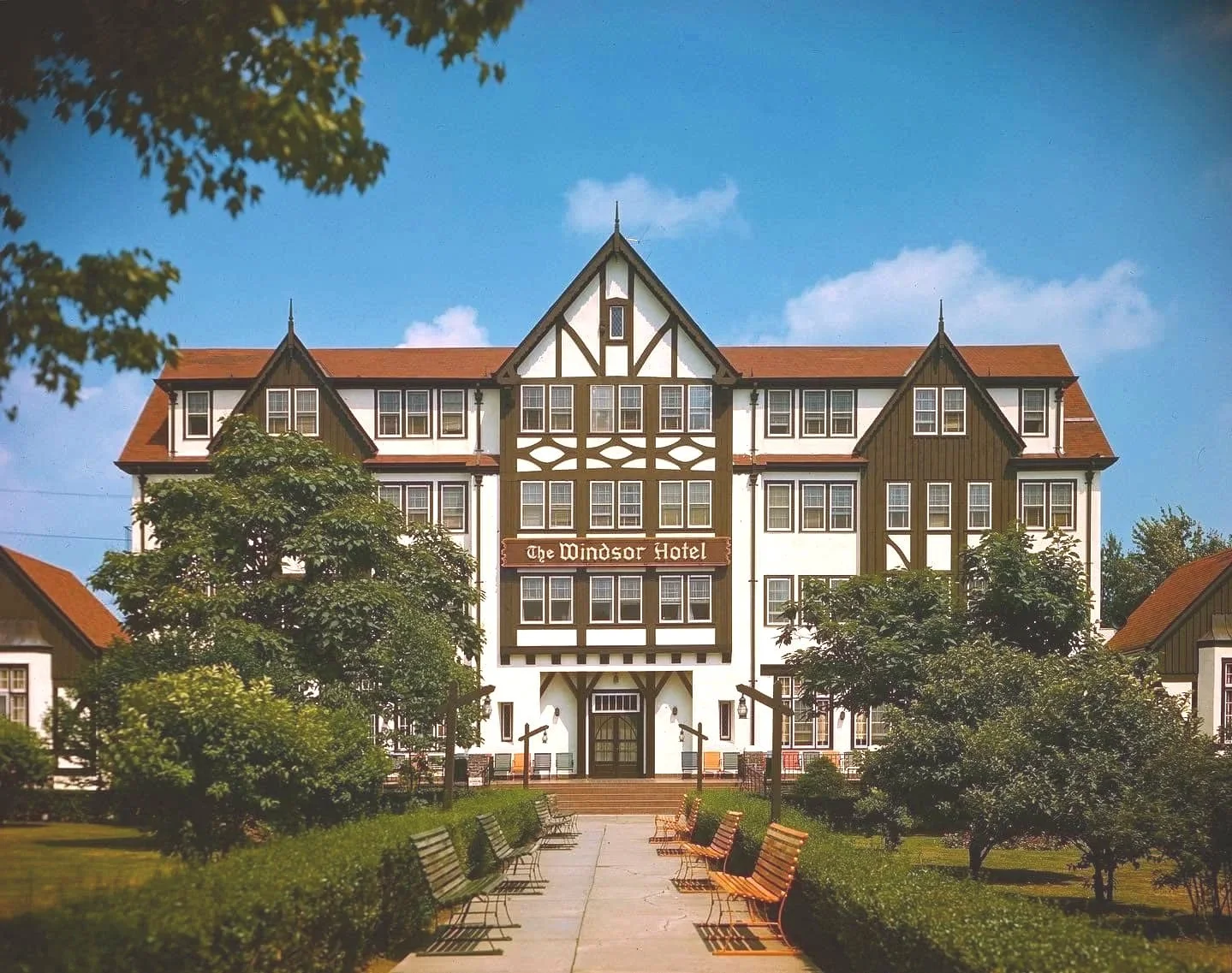
During my TM-Sidhis course at the Windsor Hotel, I was immersed in a period of rounding—extended cycles of meditation and rest practiced over many hours each day. These were unusually deep and concentrated periods of inner silence, where the mind repeatedly settled into profound stillness before returning to activity.
During this time, my perception of the physical world began to shift in subtle but striking ways.
One morning, while standing at the sink shaving, I had an experience that remains vivid in my memory. In my ordinary awareness I was simply going through a routine moment: the mirror, the sink, the quiet rhythm of shaving. Yet in my peripheral vision, at about eye level, something extraordinary appeared to occur.
It was as if the surface of physical creation briefly unzipped.
In that narrow opening, a brilliant luminosity poured through—a field of pure, radiant light that seemed to lie just beneath the visible surface of the world. It was not merely a flash or a hallucination, but rather the clear impression that the familiar physical environment was a kind of thin overlay, a veneer resting upon a more fundamental substratum.
Through that subtle “opening,” what revealed itself was pure light—luminous, vibrant, and self-existent.
What was most remarkable was that the two perceptions coexisted simultaneously. I could still see the ordinary room, the mirror, the objects around me exactly as they appeared moments before. Nothing disappeared or dissolved. Yet at the same time, the deeper reality seemed to be quietly present behind and within those forms, as though the physical world were a translucent surface through which the underlying light could be glimpsed.
In that moment it felt unmistakably clear: the physical universe was not separate from that light. Rather, it appeared to be an expression or outer layer of it, a temporary appearance resting upon an eternal field.
The insight was simple yet profound: what we normally perceive as solid physical creation may actually be a veneer, while its true nature is a continuous, radiant field of light.
Both realities—the familiar world of form and the deeper field of luminosity—were not contradictory. They were perfectly compatible, two layers of the same reality, existing together at once.
For a brief moment, the veil seemed to part just enough to reveal that the essential nature of creation is light—enduring, luminous, and quietly present beneath the surface of everything.
1977: Advanced Meditation Teacher Training
After I began teaching meditation full-time, opportunities soon arose for Transcendental Meditation teachers to refine their skills and deepen their own experience through special gatherings known as Advanced Training Retreats, or ATRs. These retreats were designed as periods of immersion—times when teachers could step away from the rhythms of daily instruction and return to the source of their own practice.
During an ATR, the schedule was centered on extended periods of meditation, interspersed with lectures, discussions, and shared reflections. We would meditate together for long stretches, allowing the mind to settle more deeply than was often possible in the flow of ordinary life. Just as important were the conversations that followed. Teachers would compare notes with one another and with course participants, exploring the wide range of experiences that can arise as meditation matures. These exchanges helped us better understand the subtle stages of inner growth and the unfolding of what Maharishi described as higher states of consciousness.
Each retreat felt like a renewal. After several days—or sometimes weeks—of this focused practice, I would return to my teaching refreshed and inwardly clear. The quiet depth cultivated during those retreats seemed to sharpen my ability to listen and respond to the needs of meditators, whether they were brand new to the practice or long-time practitioners seeking further understanding. I carried back with me not only my own renewed experience but also the collective wisdom shared among the teachers.
Then, at a certain point, Maharishi introduced something entirely new—an advanced practice known as the TM-Sidhi Program. This program, he explained, was rooted in the ancient Yoga Sutras of Patanjali, one of the classical texts of yoga philosophy. Maharishi presented the program as a natural extension of the meditation practice, a way of applying the settled, coherent state of mind cultivated through Transcendental Meditation to specific mental techniques described in those ancient aphorisms.
Whenever Maharishi announced a new program or unveiled deeper layers of knowledge, there was always a sense of excitement among the teachers. We had seen repeatedly how each refinement of the teaching brought new understanding and greater effectiveness in helping people grow. Naturally, we were eager to participate.
When the opportunity arose, I enrolled in a four-month residential course to learn the TM-Sidhis program. The course was held in South Fallsburg, New York, which at the time had become one of the major centers for advanced TM training. For four months we lived, studied, meditated, and practiced together in a focused environment dedicated entirely to inner development.
It was during this course that I embarked on a new and rather unexpected chapter of my journey. I became what Maharishi called a “yogic flyer.”
The practice of Yogic Flying was one of the techniques within the TM-Sidhis program. To an outside observer it might appear unusual, even mysterious, but from within the experience it felt like a natural extension of the deep silence cultivated in meditation. The practice emphasized the relationship between profound inner stillness and dynamic activity. Maharishi described it as a way of enlivening the mind-body system with greater coherence and integration.
Beyond the personal experience, however, the TM-Sidhis program carried a larger vision. Maharishi explained that when groups practiced these techniques together, the coherence
The Windsor Experience
1977: Pioneers of World Peace - Enlivening the Field of Infinite Correlation
In the closing years of the 1970s, the world seemed to tremble under the weight of conflict. Wars, revolutions, and civil unrest flared across continents. Nations were divided, governments strained, and ordinary people lived under the shadow of uncertainty. It was a time when many searched for new approaches to peace—solutions that could reach deeper than diplomacy and military strategy.
Against this turbulent backdrop, Maharishi Mahesh Yogi had recently revived and clarified the ancient knowledge contained in the Yoga Sutras of Patanjali, bringing renewed attention to a profound dimension of human consciousness described in the Vedic tradition. From this understanding emerged a powerful development in the practice of Transcendental Meditation—the TM‑Sidhis Program.
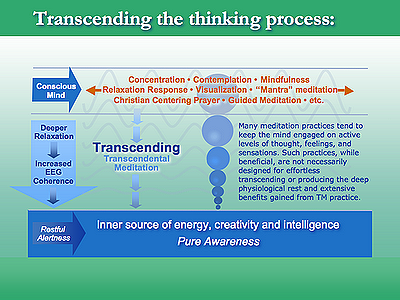
Research into the effects of Transcendental Meditation had already begun around 1970. Over the following years, a growing body of scientific studies suggested that the state of consciousness experienced during TM was unique. Researchers described it as “restful alertness”—a condition in which the mind remains quietly awake and aware while the body enters a level of rest deeper than ordinary relaxation and, in some measures, even deeper than deep sleep. In this state, mental activity becomes calm and coherent while the physiology gains profound rejuvenation.
The TM-Sidhis Program was introduced as an advanced practice designed to amplify these effects. According to both practitioners’ experiences and early research findings, when individuals practiced these techniques together in groups, the coherence and harmony they experienced internally seemed to radiate outward, influencing the surrounding social environment. This phenomenon became known as the Maharishi Effect—the idea that collective meditation could measurably reduce societal stress and conflict.
Encouraged by the experiences of hundreds of thousands of meditators worldwide, and supported by emerging scientific research rooted in the Vedic tradition, Maharishi proposed a bold idea. If a relatively small group of people practicing these techniques together could create coherence in collective consciousness, then perhaps such groups could help reduce violence and unrest in troubled regions.
To bring this possibility directly to the world stage, Maharishi placed full-page advertisements in newspapers across the globe. In them he offered governments something unprecedented: trained contingents of TM teachers who would travel to areas of conflict, meditate together in large groups, and attempt to generate an atmosphere of peace and stability.
It was an unusual proposal—simple in method, yet radical in implication.
I was among the team of TM teachers who responded to this call and were sent to Guatemala, where civil tensions and violence had been escalating. Arriving there, the atmosphere was unmistakably tense. Soldiers were visible, the political climate was uncertain, and the weight of the conflict could be felt everywhere.
For many of us, the situation was intimidating.
Yet we carried with us something that felt deeply reassuring: our own direct experience of inner peace through meditation. Through years of practice, we had come to understand that peace was not merely an external condition dependent on circumstances—it was a state of consciousness that could be cultivated within.

And according to Maharishi’s vision, when enough individuals touched that inner stillness together, its influence could extend beyond the boundaries of the individual mind.
With that conviction, we began meditating together regularly as a group.
Day after day, we gathered quietly, turning inward to that familiar state of settled awareness. Despite the tension in the surrounding environment, the meditation sessions themselves were deeply peaceful—moments in which the mind became still and the nervous system profoundly rested.
After some time, word reached us that something unexpected had begun to happen.
Reports indicated that hostilities in the region were subsiding. Conflicts that had seemed entrenched were easing, and tensions appeared to be diminishing. For those of us who had come simply to meditate and contribute what we could, the news was both surprising and deeply moving.
Soon afterward, members of the Guatemalan government came to meet with our group. They expressed curiosity about what we were doing and gratitude for the sense of calm that seemed to be emerging. A celebratory meal was arranged—a moment of connection and relief amid a period that had previously been marked by fear and division. Several of the officials present became interested enough to learn Transcendental Meditation themselves.
Whether viewed through the lens of personal experience, scientific research, or ancient tradition, the underlying principle felt clear to us then: inner peace forms the foundation of outer peace.
That conviction has not faded with time.
Decades later, the organization inspired by Maharishi Mahesh Yogi continues to pursue this same vision—to cultivate peace at its most fundamental level, within human consciousness itself. Through meditation, education, and the creation of coherence-building groups around the world, the effort continues with persistence and optimism.
It was true then, and it remains true now: the quest to establish peace within the individual as the basis for peace in the world is not only an idealistic dream—it is a mission.
And it remains, unquestionably, a worthy one.
And according to Maharishi’s vision, when enough individuals touched that inner stillness together, its influence could extend beyond the boundaries of the individual mind.

1978: Vena Productions and
a Glimmering of GATE
In 1978, my life stood at a quiet but powerful crossroads. I was teaching Transcendental Meditation full-time, immersed in a world of stillness, discipline, and inner exploration. My days were filled with guiding others inward—toward silence, toward clarity, toward something vast and unnameable.
And yet, not so very long before that, I had been onstage.
There had been lights. Amplifiers humming. The electric anticipation of an audience leaning forward in the dark. Music had once been my language, my pulse, my declaration to the world. That life hadn’t disappeared—it had simply gone dormant, like an ember waiting beneath ash.
Then, without warning or logic, an intuition began to surface.
Los Angeles.
The thought arrived quietly at first, more a whisper than a plan. It made no practical sense. I knew exactly one person there—a young woman who worked as a chef for the dazzling illusionist Doug Henning. That was the entirety of my “network.” No industry contacts. No roadmap. No guarantees.
Just a feeling.
I didn’t rush to act on it. Instead, I let it hover in the background of my awareness. But something else began to happen. Almost unconsciously, I reached for a guitar.
The first chords felt unfamiliar, like revisiting a childhood home that had been rearranged. I hadn’t entirely lost my chops—muscle memory is stubborn that way—but I was undeniably a shadow of my former, guitar-slinging, would-be rock star self. The speed, the swagger, the raw confidence of youth had softened. In its place was something quieter. More reflective. Less about proving, more about expressing.
And somewhere in that rediscovery, another realization surfaced: I was probably never going to be a rock star.
Surprisingly, that recognition didn’t sting. It liberated me.
Freed from the narrow ambition of stardom, I began to sense something larger taking shape. If I wasn’t meant to chase the old dream, perhaps I was meant to reshape it. The years of meditation, of inner refinement, had changed me. What if music could carry that depth? What if entertainment could elevate consciousness rather than merely distract it?
The thought arrived spontaneously, fully formed: I could bring a new vision to music—perhaps even to the world of entertainment itself.
Not rebellion for rebellion’s sake. Not fame for validation. But art as transmission. Performance as upliftment. Sound as a vehicle for expanded awareness.
The idea felt both audacious and inevitable.
Vena Productions was not yet a company in the traditional sense. It was a seed—a convergence of my past life onstage and my present life in meditation halls.
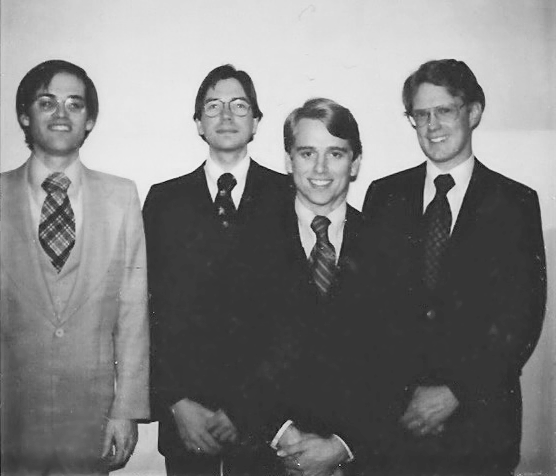
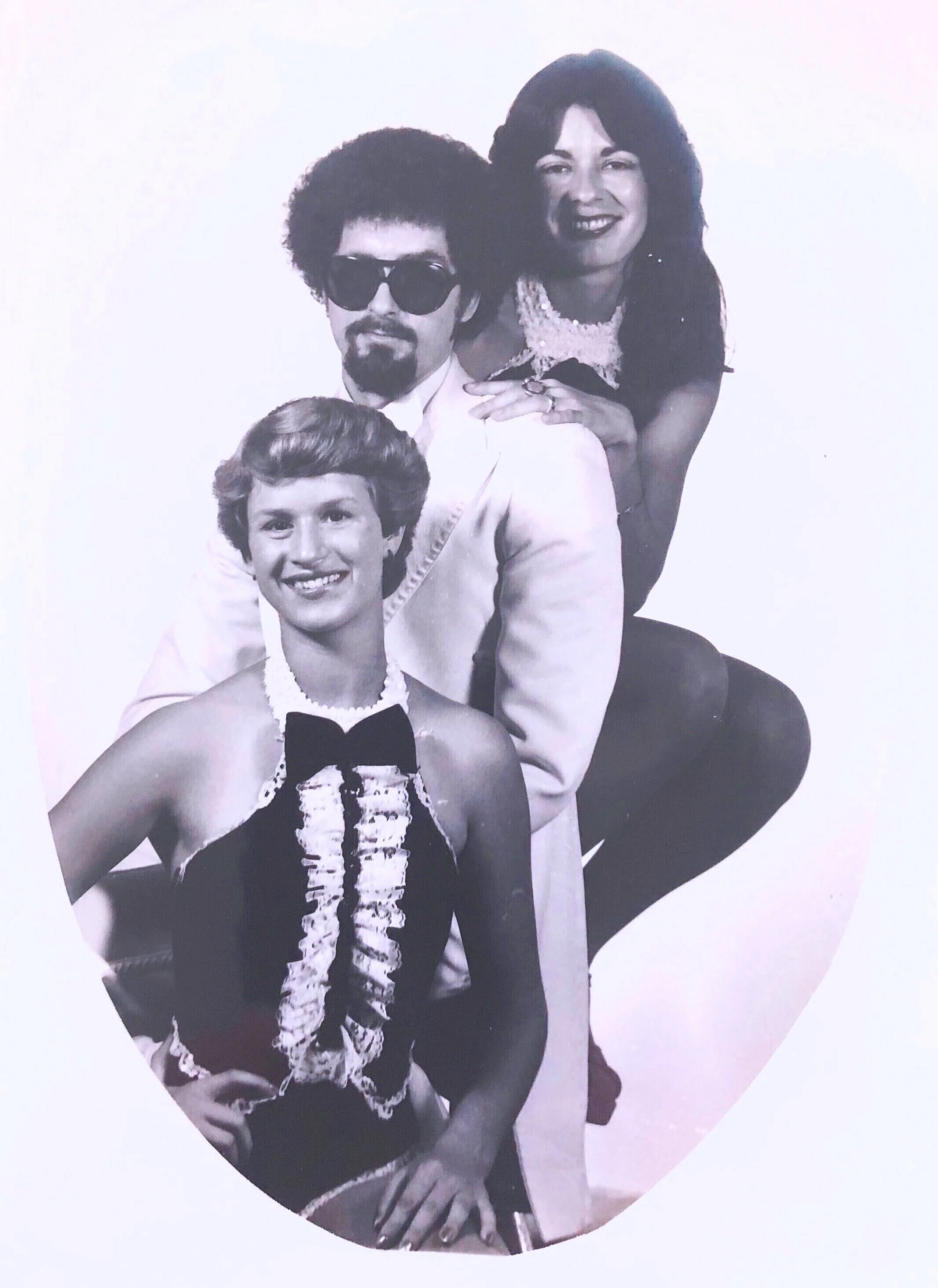
It represented the possibility that spirituality and showmanship were not opposites, but partners. That the stage could be a place not only of spectacle, but of awakening.
Los Angeles no longer seemed like a random impulse. It began to feel like a calling.


1979: Los Angeles - Welcome to the Jungle
In my first few years in Los Angeles, I developed a trait that would remain with me for decades: the habit of immersing myself in numerous projects at the same time. I rarely allowed myself to focus on just one path. Instead, I moved between ideas, collaborations, and opportunities with a kind of restless curiosity. At the time, it wasn’t a calculated strategy—it was simply how I chose to live and work.
Part of it, admittedly, may have been a touch of FOMO—the fear of missing out. Los Angeles, especially for someone new to the city, has a way of making possibility feel infinite. Every conversation might lead somewhere. Every introduction might open a new door. Every project might evolve into something unexpected. I didn’t want to stand still long enough to miss any of it.
But the deeper motivation was more sincere than simple anxiety about missing opportunities. I was driven by a genuine desire to grow—personally and professionally. I wanted to stretch my abilities, expand my thinking, and develop skills that only came through experience. Each new project, no matter how small or experimental, offered a chance to learn something I didn’t yet know.
So I said yes to a lot. Yes to collaborations. Yes to unfamiliar ideas. Yes to people whose backgrounds, talents, or perspectives were different from my own. I sought out new environments, new conversations, and new challenges. Sometimes this meant juggling multiple commitments at once, moving from one meeting, rehearsal, or brainstorming session to another in the same day.
What I gained from that period was far more than a crowded schedule. I gained exposure—to people, to disciplines, to ways of thinking that broadened my understanding of what was possible.
Each project sharpened a different skill, and each interaction expanded my network in ways that would prove valuable years later.
Looking back, that early pattern of exploration became one of the defining rhythms of my career. What began as youthful curiosity gradually evolved into a lifelong approach: remain open, stay engaged, and never stop seeking out the next opportunity to learn, collaborate, and grow.
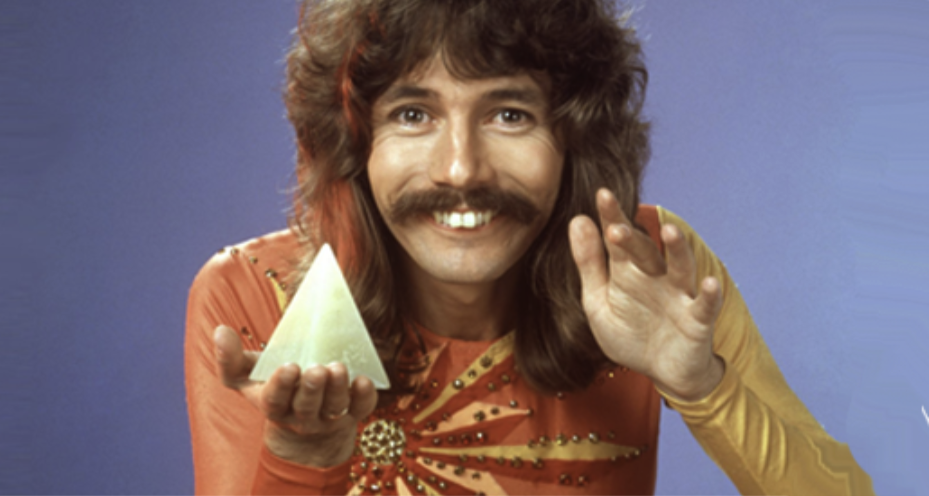
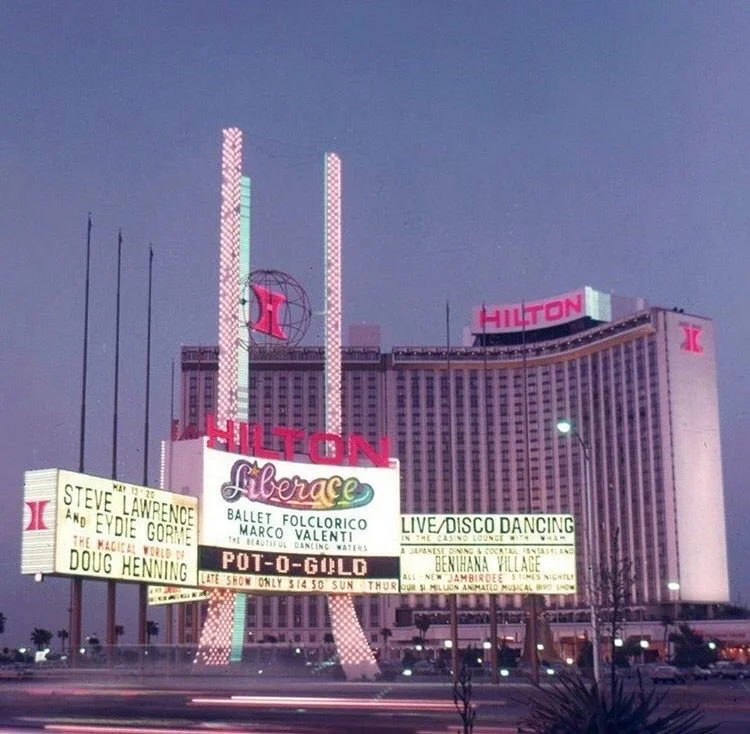
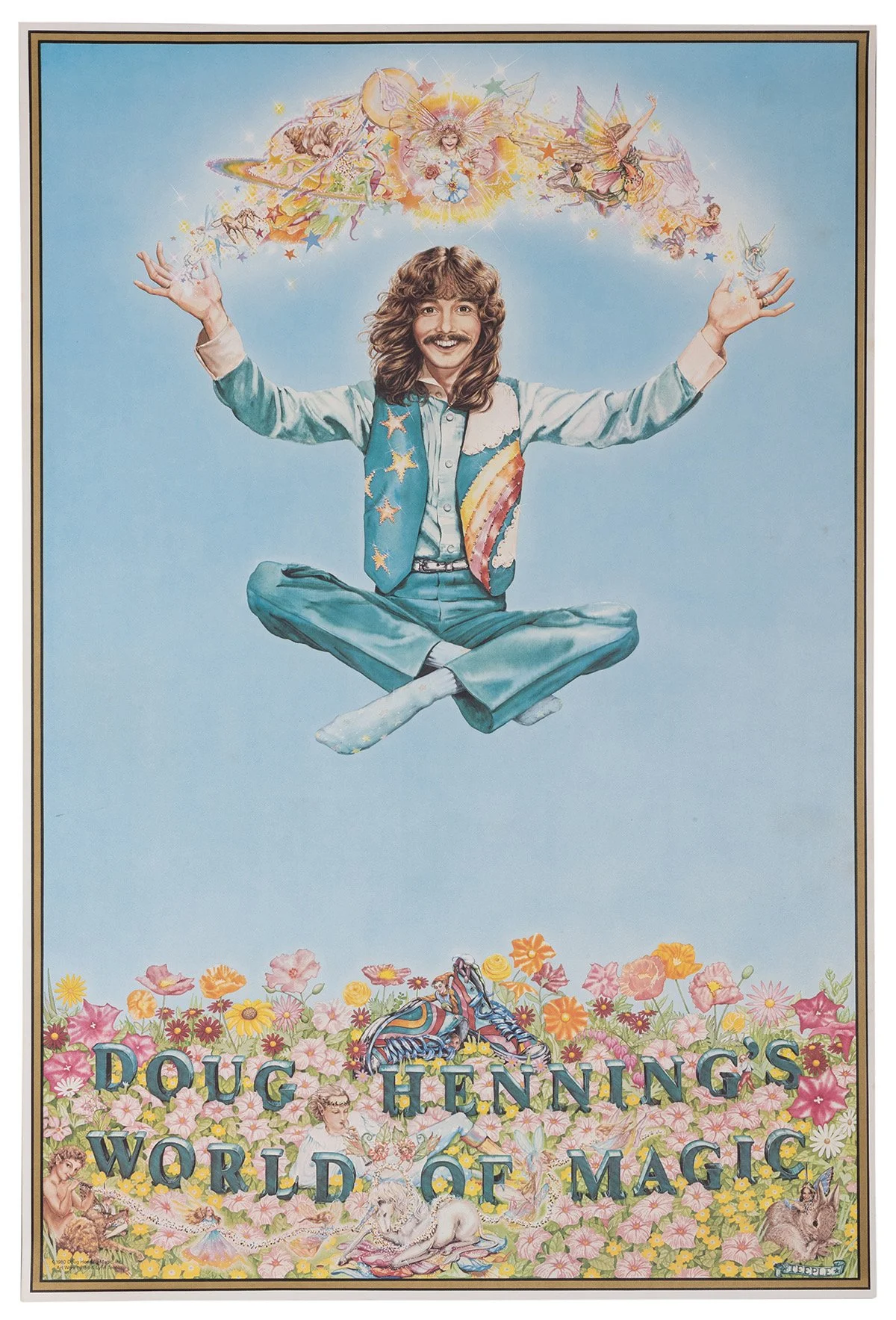
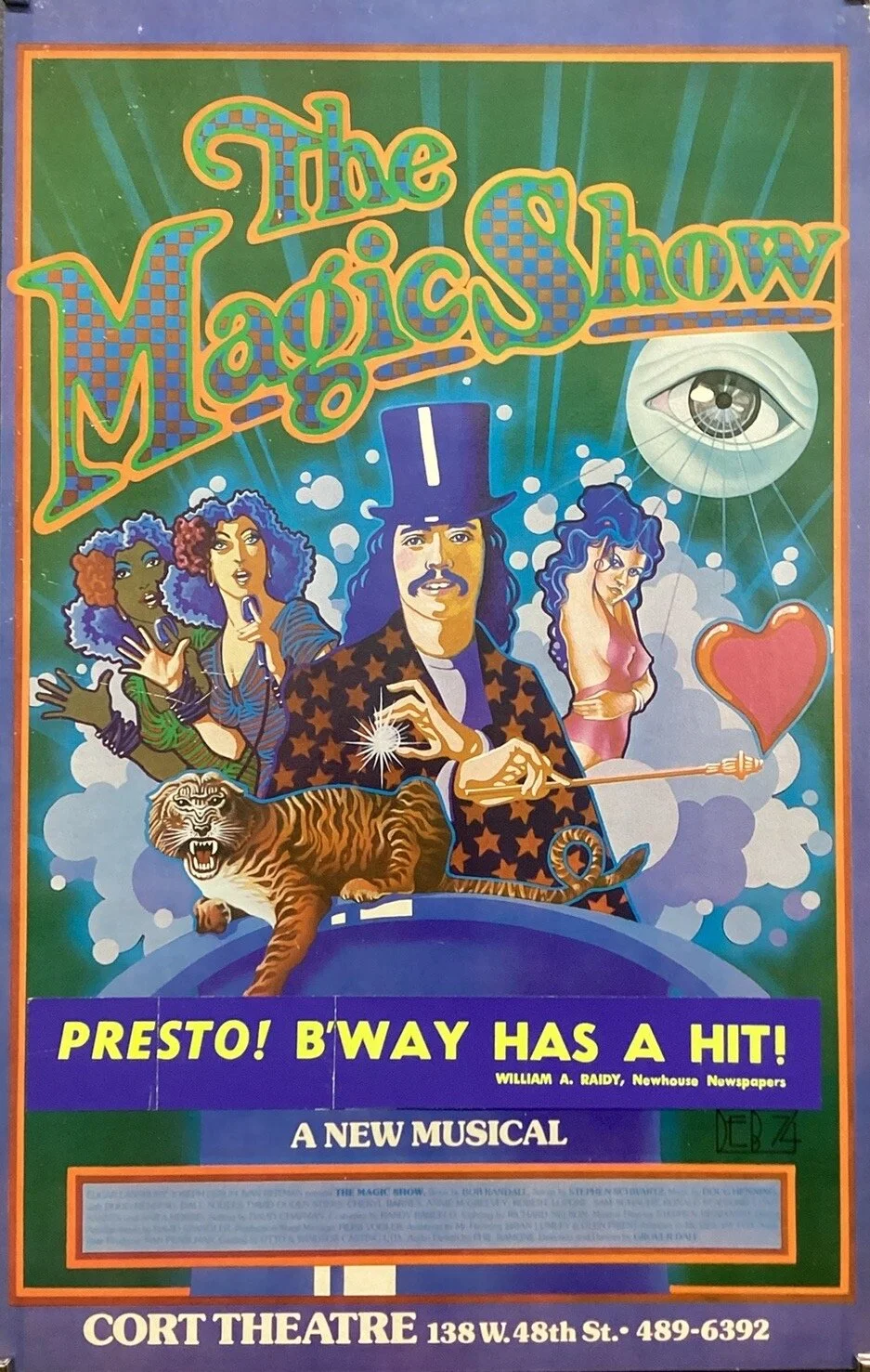
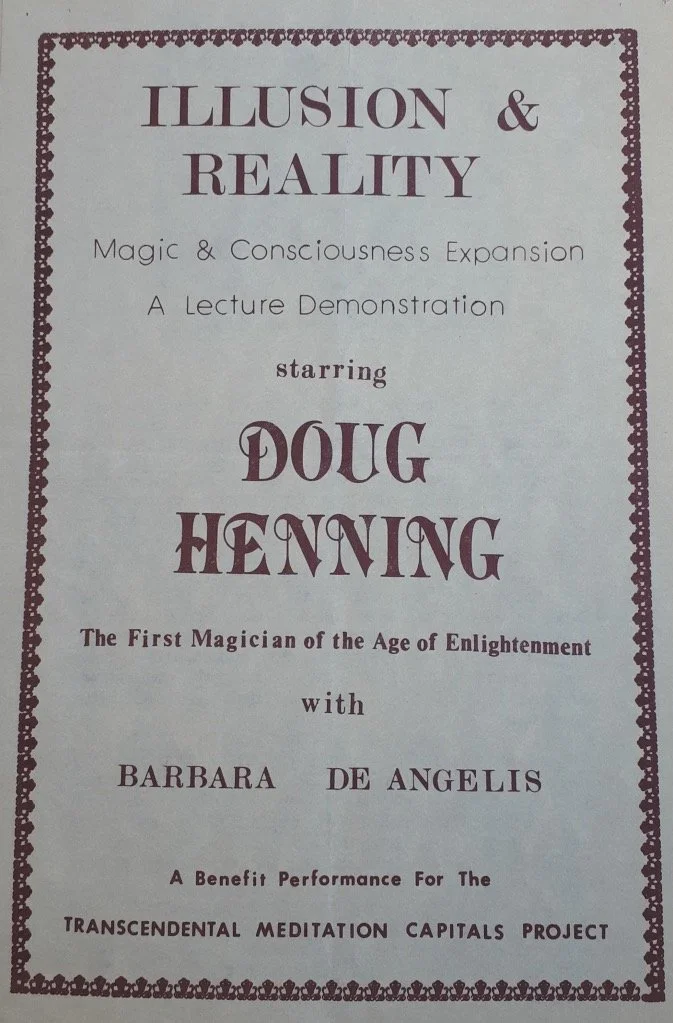
The hard must become habit. The habit must become easy. The easy must become beautiful.
—Doug Henning
1979: Magician Doug Henning
After arriving in Los Angeles in 1979, still new to the city and its strange mixture of ambition and possibility, I was unexpectedly introduced to the renowned illusionist and magician Doug Henning. The introduction came through his chef, a friend of mine from Michigan who had also made the journey west.
There was an immediate sense of familiarity among us because we were all practitioners of Transcendental Meditation. In those days, that shared practice created a quiet but powerful bond—almost like belonging to a small fraternity scattered across different walks of life. It brought with it an unspoken sense of trust, goodwill, and mutual support.
Doug soon asked if I would help him with a few practical matters—running certain business errands and, from time to time, driving his car between Los Angeles and Las Vegas. At the time, Doug was headlining major residencies at the Las Vegas Hilton, and the drive across the desert became a regular part of my routine.
What began as a simple favor gradually turned into my first real job in the entertainment industry.
Through that experience, I was given a rare glimpse into the daily rhythms of celebrity life. I saw both the glamour and the hidden complexity behind the curtain—the logistics required to mount large-scale stage productions, the coordination of crews and management, and the careful choreography of personalities that kept everything running smoothly. There were also the subtler lessons: the etiquette of working around a public figure, the politics of show business, and the delicate balance between creative vision and commercial reality.
Doug himself was a remarkable presence—warm, generous, and deeply sincere in his beliefs. Unlike many performers who guarded their inner lives, he was openly dedicated to sharing ideas about consciousness and meditation with the world. For him, magic was not merely spectacle; it was a vehicle for wonder, joy, and a reminder that reality might be far more mysterious than we normally assume.
As a performer, he was a master illusionist who helped redefine stage magic for a modern audience. At a time when televised magic was reaching millions of viewers, Doug brought grand-scale illusions back to the theatrical stage with a sense of color, theatricality, and childlike amazement that felt entirely new. Watching audiences respond to that sense of wonder night after night left a lasting impression on me.
Looking back, what began as a chance introduction became an unexpected apprenticeship—one that offered a behind-the-scenes education in entertainment, creativity, and the curious intersection of spirituality and showmanship. Doug’s blend of artistry, optimism, and genuine enthusiasm for life made the experience unforgettable, and it marked my first real step into the world of show business.

In my heart, I carried a broader vision: that entertainment, at its best, could make the world a better place.
By this point I also understood something else clearly. My own aspirations of becoming a rock star—dreams that had once felt so vivid—had reached their natural conclusion. That chapter had closed.
But the deeper desire remained.
I still wanted to be around creative people.
I still wanted to support creativity.
I still wanted to participate in the magic that happens when imagination meets opportunity.
And so the questions persisted:
What should I do next?
Which direction should I move?
What possibilities exist that I have not yet seen?
What don’t I know that might lead me toward the right direction?
And perhaps most importantly—how do I connect with the people and opportunities that could open the next chapter of my life?
For the moment, the answers remained hidden. But the search itself had begun.


Episode of Uncertainty
When my work with Doug Henning came to an end, I found myself standing at a quiet but consequential crossroads. The experience had been extraordinary—immersive, creative, and filled with the electricity that comes from working close to inspired people. Yet when it concluded, the path forward was anything but clear.
I was left with a cluster of questions that hovered persistently in my mind.
I knew, with certainty, that I wanted to remain in entertainment. That much was clear. But the form that desire should take—the role I was meant to play within that vast and multifaceted world—remained undefined. I felt a deep pull to express who I was within the context of entertainment, yet I lacked a clear sense of the vehicle through which that expression would emerge.
Professionally, I found myself asking fundamental questions:
Who am I within the entertainment industry?
What do I truly want to do in this field?
How can I serve others while also making a sustainable living?
What kind of work would allow me to remain committed to my meditation practice, which had become essential to my life?
Which role would best suit my skills—skills that were still forming and not yet fully recognized, even by me?
What opportunity would allow me not only to participate in the entertainment business, but to grow within it?
This period was marked by a persistent undercurrent of uncertainty. It was not comfortable. The momentum and excitement I had experienced working with Doug made the contrast even sharper. The opportunities that appeared afterward seemed, at least on the surface, far less inspiring. That realization brought moments of real distress.
Yet during this unsettled time, my meditation practice became more valuable than ever. It served as an anchor—a grounding force that allowed me to sit with uncertainty rather than be overwhelmed by it. Meditation reminded me that clarity often arises not from frantic searching, but from patience and attention.
Still, I explored the possibilities that presented themselves.
Several opportunities came my way, each offering a potential path forward:
Selling radio advertising for KIIS-FM, one of the most prominent and influential radio stations in Los Angeles.
Selling advertising for ShowBiz West magazine, a publication serving the entertainment community.
Joining a start-up radio program focused on the theme of success and personal achievement.
Working with a company that duplicated audio and video tapes—a practical service in a media-driven industry.
Becoming involved with a business that helped people improve their credit ratings.
Participating in a company that sold gold and silver to investors and collectors.
On paper, these were legitimate opportunities. Many people would have pursued them without hesitation. Yet as I considered each one carefully, something essential was missing.
None of them truly resonated.
What I longed for was something different—something that stirred a deeper sense of vitality. I wanted work that inspired me. I wanted a role within entertainment that ignited enthusiasm and gave me a sense of genuine purpose and fulfillment.
At that stage of my life, security was not my primary concern. What I sought instead was alignment—the right fit. I wanted to be part of something creative, something meaningful. Ideally, I hoped to contribute to an environment where creativity could flourish and where creative work might, in its own way, help elevate and inspire people.


CLICK DOCUMENT TO READ
1979: FREEDOM BEHIND BARS - VARIETY SHOW
Many people in the Los Angeles TM meditation community were involved in entertainment, the arts, and media. It was almost impossible to attend gatherings without meeting someone who worked in film, television, music, or some creative corner of the industry.
As I began to spend more time in this community, I naturally started forming friendships and professional connections. Conversations that began around meditation often evolved into discussions about careers, creative projects, and the inner workings of the entertainment world. I asked questions whenever I could and, when it felt appropriate, sought advice, guidance, and introductions to people whose work intrigued me.
During this period of searching, I began to notice something familiar. It reminded me of my earlier years of spiritual seeking. Back then, I had discovered that progress rarely came from a single dramatic breakthrough. Instead, it unfolded gradually—through curiosity, consistent effort, and a willingness to follow subtle intuitions. I realized that the mechanics of my job search were unfolding in much the same way.
So I approached it with the same spirit of disciplined exploration.
I developed a daily routine devoted to cultivating and nurturing my growing network of contacts. I kept notes, followed up with people, scheduled conversations, and continued asking questions. Slowly, my understanding of the entertainment industry deepened. Job titles that had once sounded mysterious began to make sense. I learned how different roles fit together and how projects actually moved from idea to production.
At the same time, something equally important was happening internally. As I explored these possibilities, I began to recognize some of my own natural, marketable skills. I could also see more clearly which abilities I would need to develop if I wanted to move further into this world.
This realization energized me. My curiosity expanded into a genuine desire to learn as much as possible about the different paths that lay before me.
Gradually, both inner and outer considerations began to take shape in my mind and heart. A faint but growing sense of direction emerged, and the feeling of possibility was exhilarating.
Around this time, a friend approached me with an unexpected proposal. He asked if I would help co-produce a benefit event to raise funds for bringing TM instruction into Folsom Prison. I had never produced an event before, and the request initially caught me by surprise. But the purpose of the event resonated deeply with me, and something inside said yes before my practical mind could raise too many objections.
I told him I would be glad to help.
Fortunately, the organizational and leadership skills I had developed while running the TM Center in Flint proved invaluable. While the scale and context were different, many of the underlying principles—planning, coordinating people, communicating clearly, and staying calm amid moving parts—were surprisingly similar. Because of that experience, I didn’t feel completely at sea as we began to organize the event.
As the weeks unfolded, the project grew into an exciting and complex collaboration. The event ultimately became a grand success. More important for me personally, it placed me behind the scenes of the very world I had been trying to understand.
Through the process, I interacted with a wide range of professionals in the entertainment industry—venue managers, personal managers, talent agents, performers, designers, sound and lighting technicians, and many others. Watching how they worked together to bring a live event to life was both fascinating and illuminating.
With every meeting, every problem solved, and every conversation backstage, the sense of direction that had been quietly forming within me became a little clearer.
For the first time, I felt that I was not just observing the entertainment industry from the outside. I was beginning to step inside it.
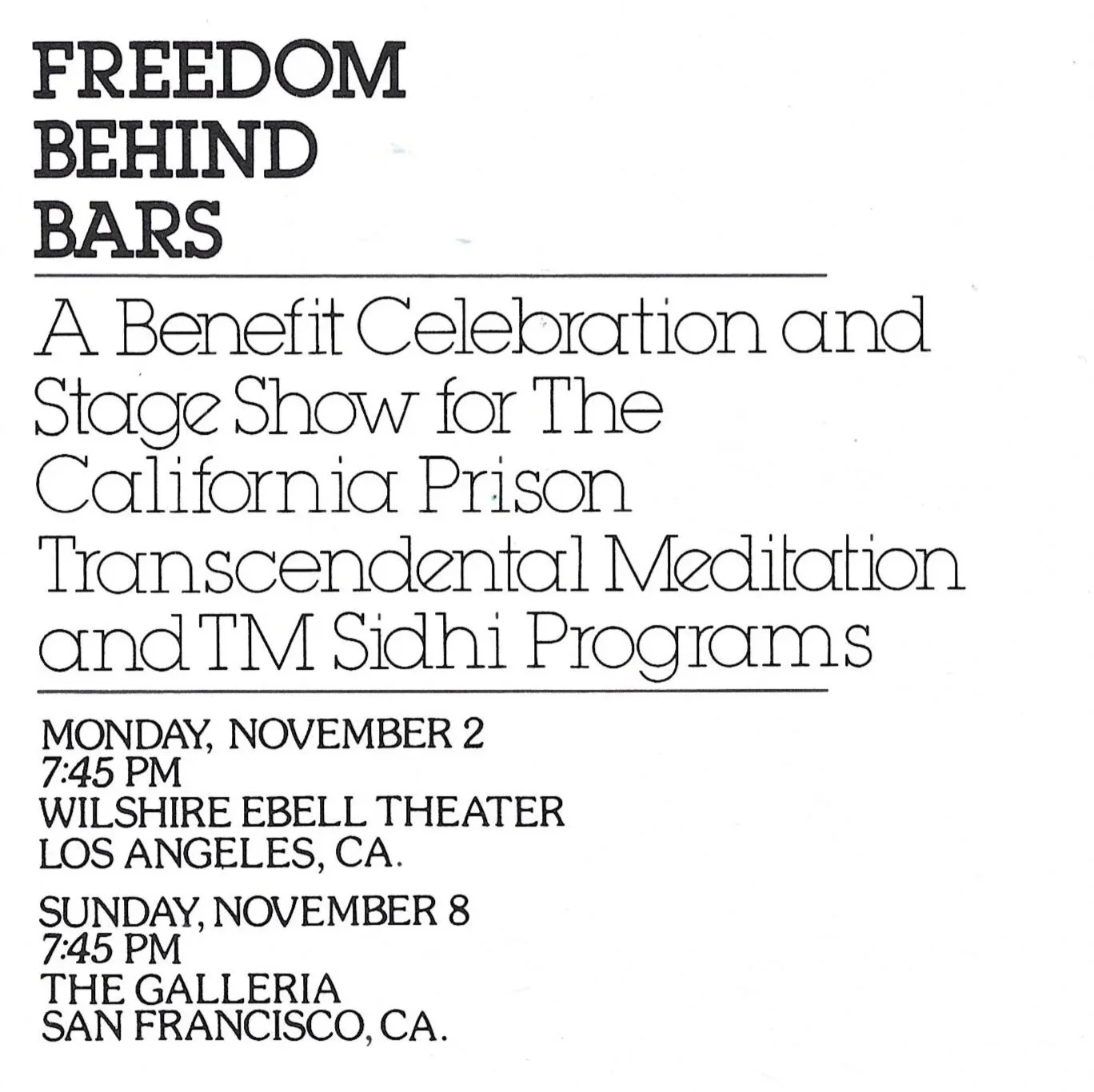
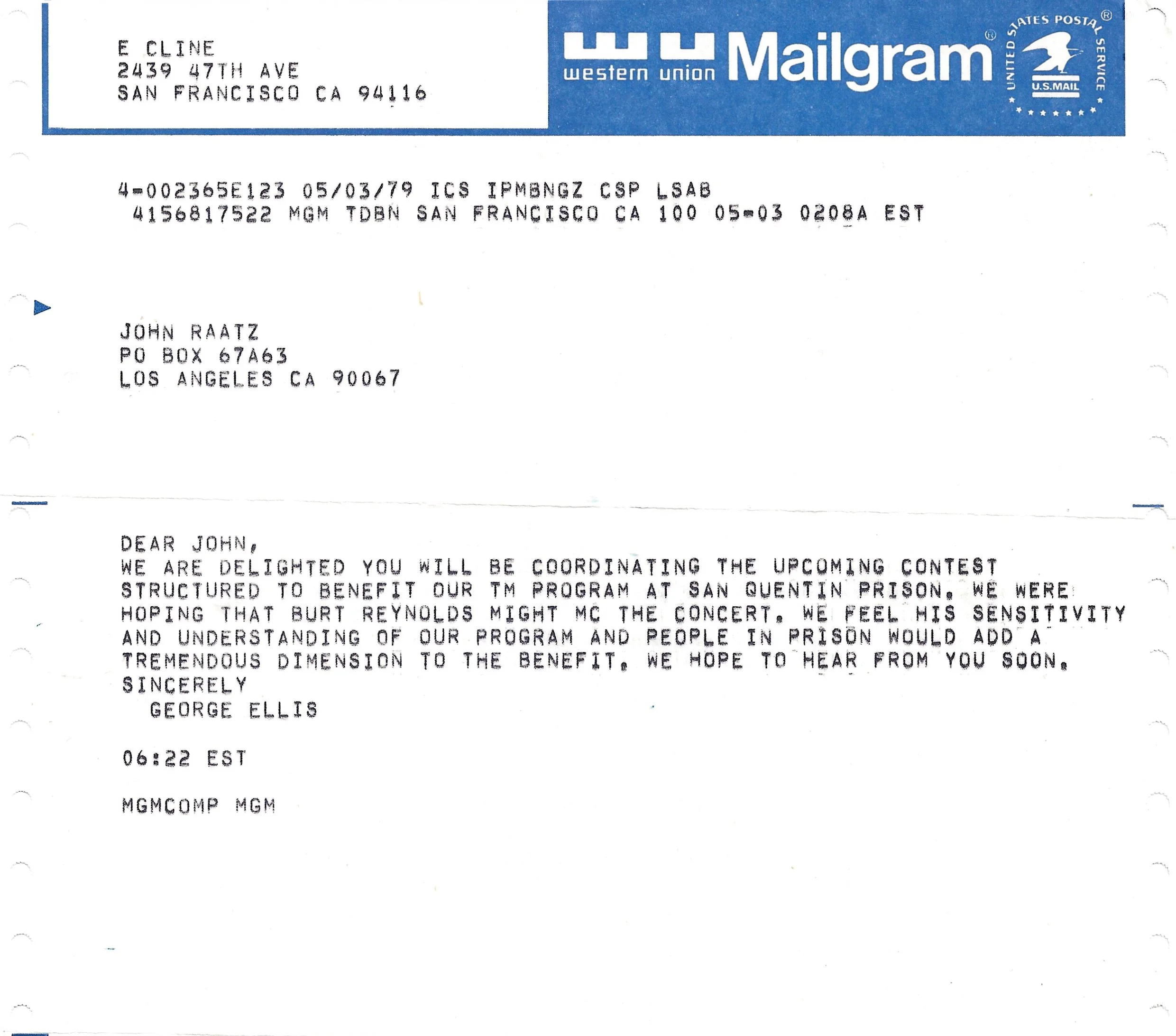
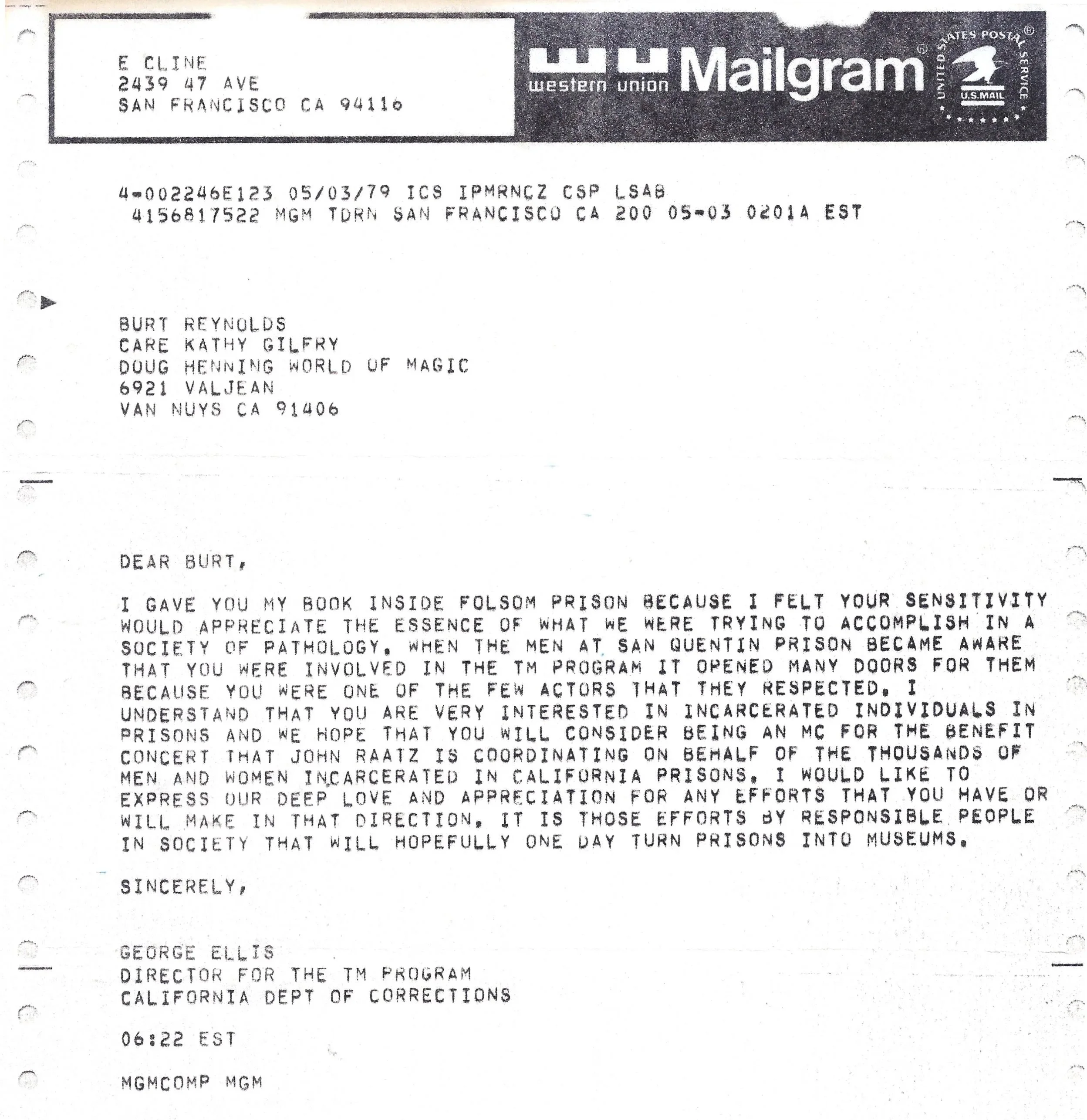

1979: AGE OF ENLIGHTENMENT ARTISTS SERIES
Shortly after co-producing the Folsom Prison benefit concert, another opportunity presented itself—one that would further shape my path in the world of live events. A friend approached me with a proposal: would I be willing to help produce a concert at Schoenberg Hall at UCLA? At the time, Schoenberg Hall was already well known for its superb acoustics and intimate atmosphere—an ideal venue for a thoughtful and ambitious musical program.
Fresh off the momentum of the Folsom event, I had gained a new sense of confidence in my ability to organize and deliver a successful production. What had once felt daunting now seemed like a challenge I was ready to embrace. I agreed, and together we began developing what would become the inaugural performance in what we called the Age of Enlightenment Artist Series.
The work quickly expanded beyond simply coordinating the concert itself. I took on a significant role in shaping the event’s identity and helping to market it to the community. That meant everything from refining the program concept and coordinating logistics to reaching out to potential audiences, partners, and supporters. It was a crash course in the full spectrum of event production—creative vision, organization, promotion, and execution.
Much like the Folsom Prison benefit, the effort paid off. On the evening of the concert, Schoenberg Hall filled to capacity. The house was packed, the energy in the room was palpable, and the response from the audience confirmed that the idea behind the series resonated with people. The inaugural Age of Enlightenment Artist Series concert was, by every measure, a success.
With two successful productions now behind me, I felt a growing sense of accomplishment—and clarity. I had proven to myself that I could help bring complex events to life, but I also realized something equally important: I didn’t want to limit myself to producing concerts alone.
Event production had opened a door, but it wasn’t the entire hallway. There were other creative and professional avenues I wanted to explore, other skills I wanted to develop, and other opportunities waiting just beyond the horizon.
With that realization in mind, I began thinking about what the next chapter might look like…
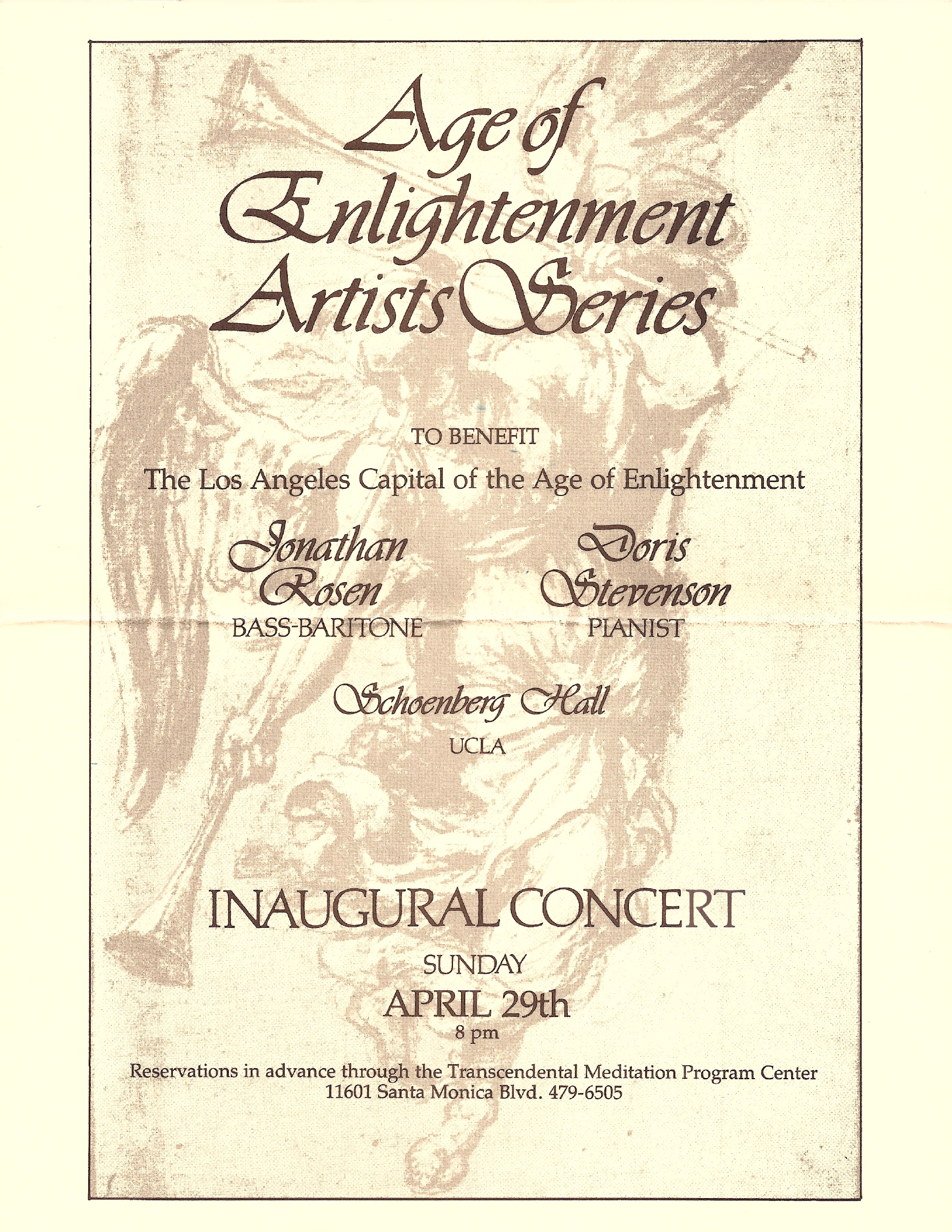
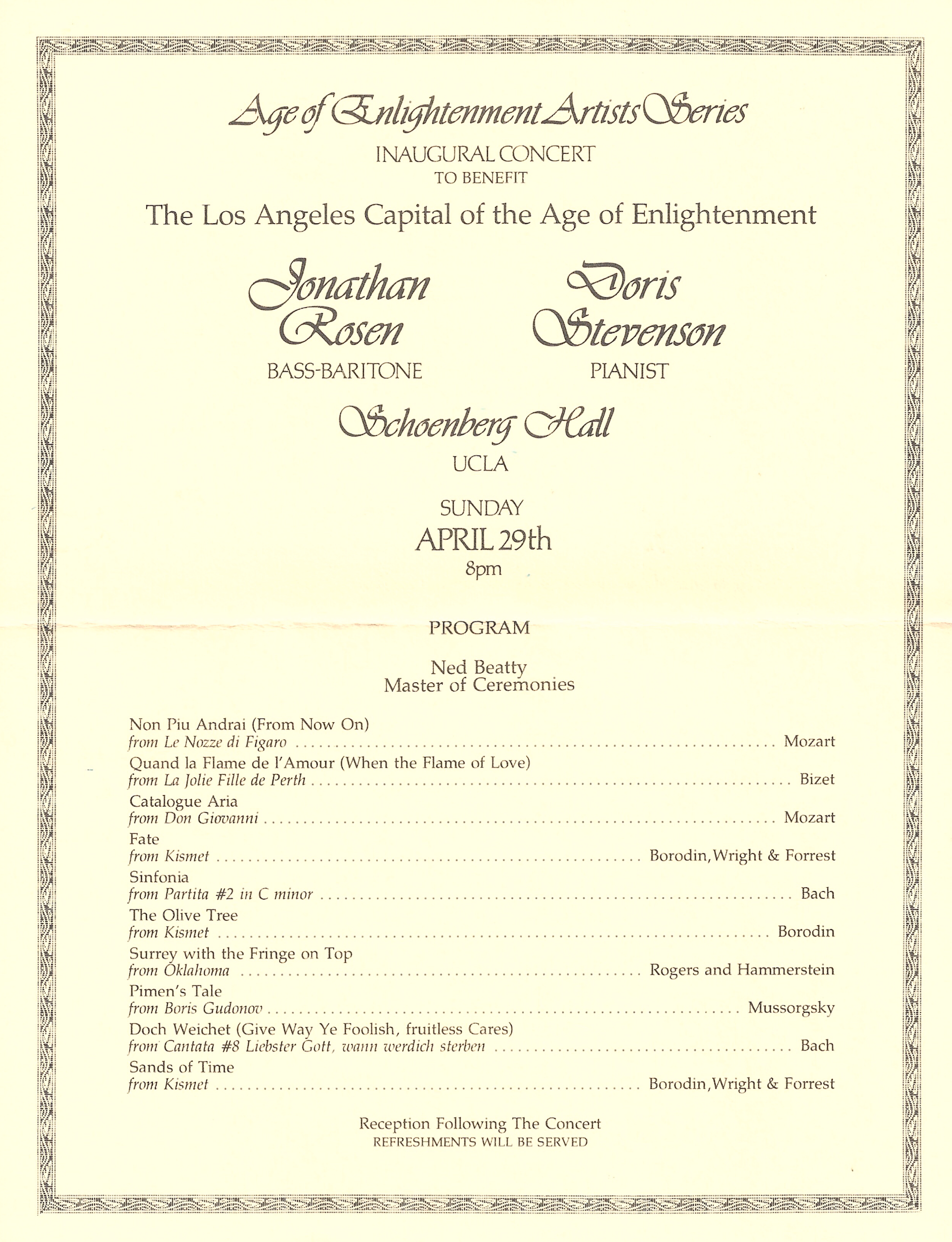
1979: Tinker Lindsay (Beatty) and The Gift of a Chance Meeting
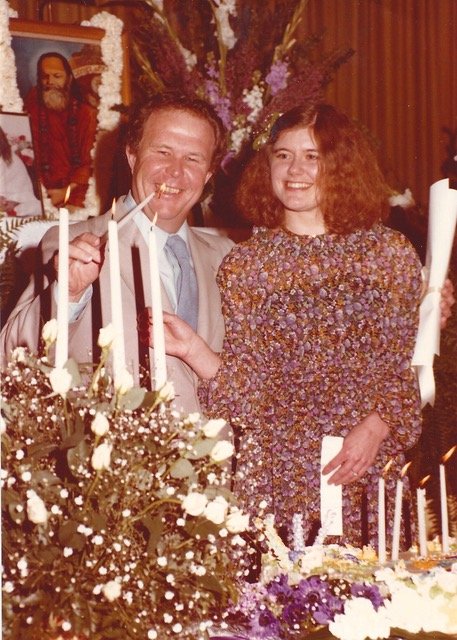
From one encounter, many others followed.
Tinker herself was a remarkable person. She was kind and generous in a way that you could feel immediately. When she spoke, you sensed that she listened beneath the surface of things. Her warmth seemed to come from a genuine openness of heart. She was comfortable in her own skin, creative in spirit, and carried a natural wisdom that made people feel at ease around her.
Looking back now, I realize that my life might have unfolded very differently if she had not extended that simple invitation. I never fully understood why she was so kind to me, but I have always carried a deep appreciation for her. In many ways, I have felt that she appeared in my life at just the right moment—almost as if she had been sent to help guide or protect me in some unseen way.
Over the years we have not remained in constant contact, though occasionally our paths have crossed. Yet even in long stretches without communication, she still comes to mind from time to time. When she does, I feel a quiet sense of gratitude.
Some people pass through our lives briefly but leave a lasting imprint.
For me, Tinker Lindsay is one of those people. And whenever I think of how my life in Los Angeles truly began, I find myself silently thanking her—for her kindness, her generosity, and the simple act of opening a door.
Soon after I moved to Los Angeles in 1979, I met a woman named Tinker Lindsay. We were both practicing Transcendental Meditation, shared many mutual friends, and carried similar aspirations to find our place in the entertainment business. Like so many people who come to Los Angeles, we were searching—both outwardly for opportunity and inwardly for purpose.
At that time, I was still trying to discover what my ideal work might be. I had recently done some work with magician Doug Henning, which had been an exciting experience, but it didn’t feel like something that held long-term potential for me. I had a vague sense of the direction I wanted my life to move in, but the path ahead wasn’t yet clear.
One day during a conversation, Tinker mentioned that she and several creative friends were developing an idea for a children’s television show. They were planning a production meeting in the coming days, and she casually invited me to join them. I knew virtually nothing about television production—let alone children’s programming—but something about the invitation felt right, so I accepted.
When the meeting took place, I mostly listened and observed. The group was enthusiastic, creative, and surprisingly aligned in one unexpected way: many of them shared an interest in spirituality and meditation. That common thread created an immediate sense of warmth and connection in the room.
Among those attending the meeting was actor Ned Beatty. I certainly knew who he was. I had recently seen him in Superman, starring Christopher Reeve, where he played the unforgettable character Otis. He had also delivered powerful performances in films like Network and Deliverance. To me, he was already a well-established and recognizable presence in Hollywood.
During the meeting I spoke only occasionally, offering a few ideas that came to mind. I did so somewhat timidly, drawing simply from whatever creative impulse arose naturally in the moment.
When the meeting ended, Ned approached me and struck up a conversation. He asked where I was working. When I told him that I didn’t currently have a job, he invited me to have lunch with him the following day at the Beverly Hillcrest Hotel in Beverly Hills.
Over lunch, Ned asked me about my background and what I had been doing during the previous few years. I shared my experiences as best I could, not expecting anything more than an interesting conversation.
Then, quite unexpectedly, he asked me if I would like to work for him as his assistant.
The offer came completely out of the blue.
My responsibilities would include a wide range of tasks: answering and organizing fan mail, running errands, house-sitting when needed, doing some light bookkeeping, coordinating schedules with other members of his staff, communicating with his agent, reading scripts and sharing my thoughts, accompanying him to meetings, occasionally visiting film sets with him, contributing ideas to discussions with his business partner in a newly formed production company, and even providing emotional support when the pressures of the business required it.
He offered me a starting salary of $250 a week and also helped cover some of my living expenses. In 1980, for someone without a steady job and just beginning to find his way in Los Angeles, it sounded like music to my ears.
Shortly afterward, Ned sent me to Century City to meet his business manager, Bob Greene, so we could complete my employment paperwork. Bob was an extremely busy man, but he knew that I was just beginning my career in the entertainment industry. He turned out to be remarkably kind and generous with his time.
Bob had a wealth of real-world experience and wisdom, and he seemed to take me under his wing. In our conversations he shared practical guidance about navigating both the entertainment business and life itself. I later learned that he had served as the business manager for The Doors and several other prominent entertainers.
I remember feeling incredibly fortunate. Within a very short period of time I had met two people—Ned and Bob—who opened doors for me and offered guidance that would shape my early years in Los Angeles.
But when I look back at how it all began, the thread leads back to one simple moment: Tinker inviting me to that meeting.
1979: Ned Beatty and the Seeds of GATE
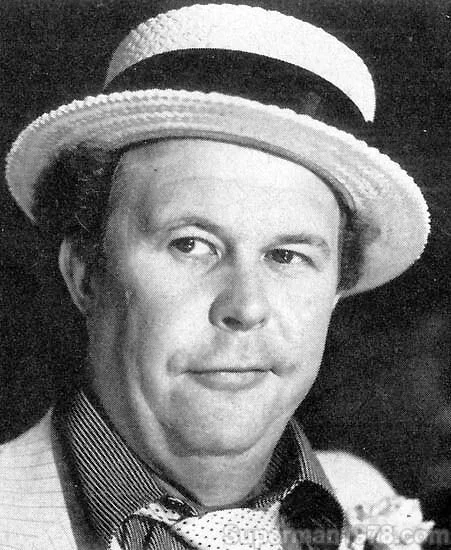
The seeds of GATE were humbly sown when a small committed group of actors, musicians, writers, business professionals and others joined together to teach meditation to members of the entertainment and media communities. Reception was abundantly positive, but it was just a niche group then. However, in these past 30 years a remarkable sea change has occurred. The growth of awareness has been dramatic. Interest in spirituality, healing, peace, ecological issues and other progressive concerns and affinity values has mushroomed exponentially.
was just a niche group then. However, in these past 30 years a remarkable sea change has occurred. The growth of awareness has been dramatic. Interest in spirituality, healing, peace, ecological issues and other progressive concerns and affinity values has
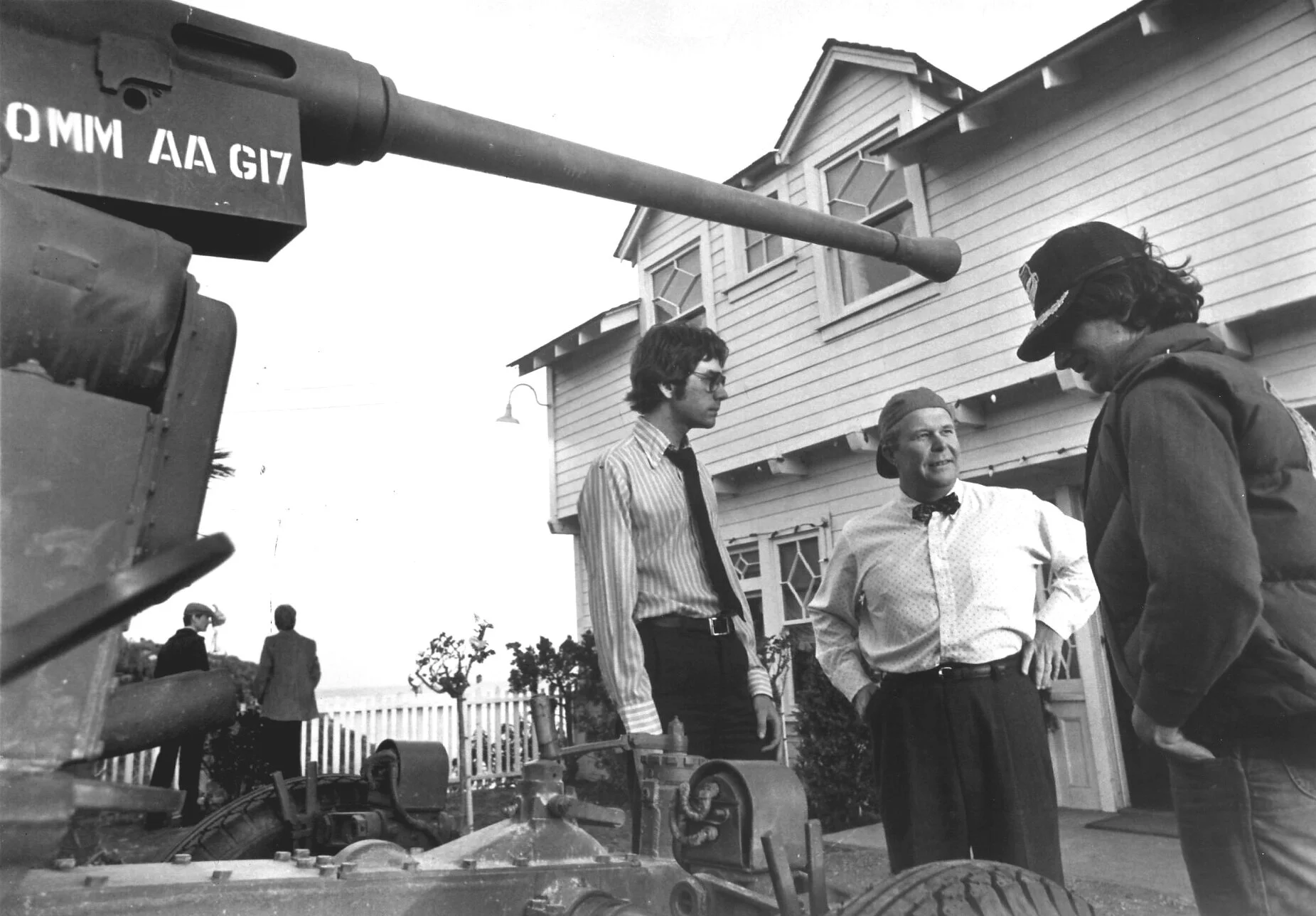
JOHN RAATZ NED BEATTY STEVEN SPIELBERG
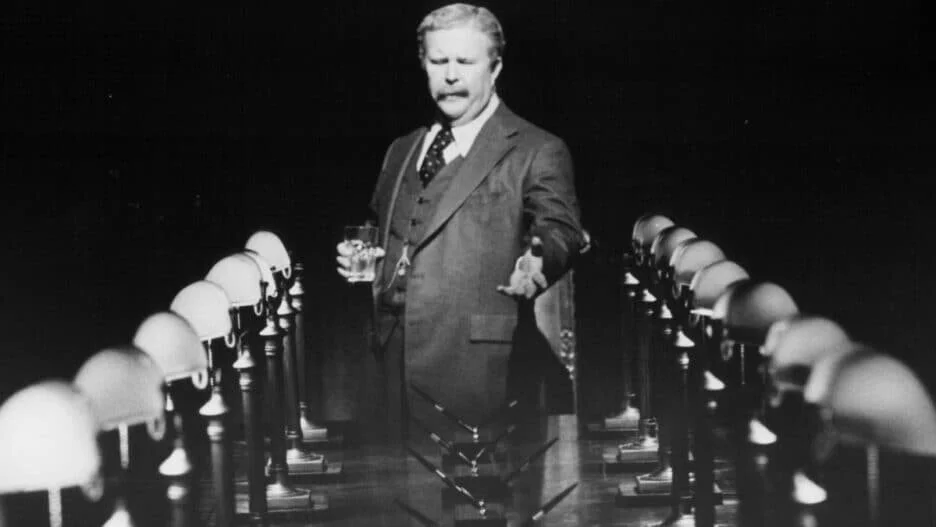
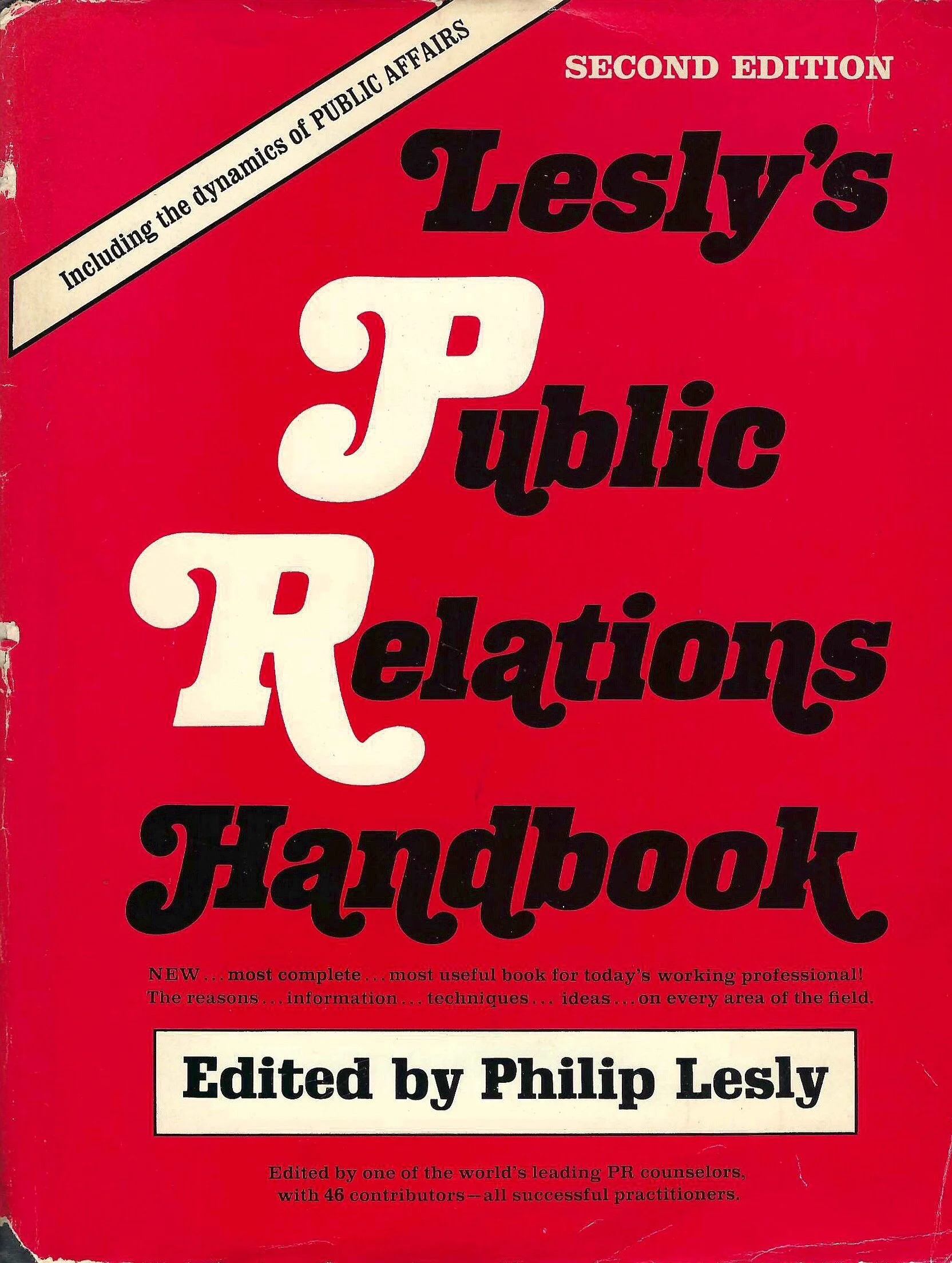
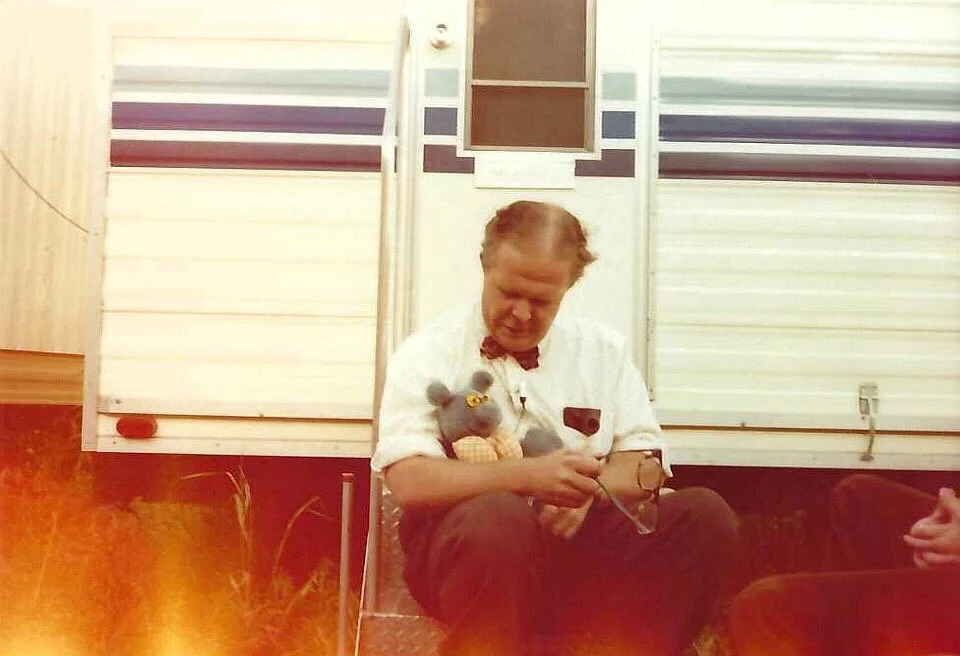
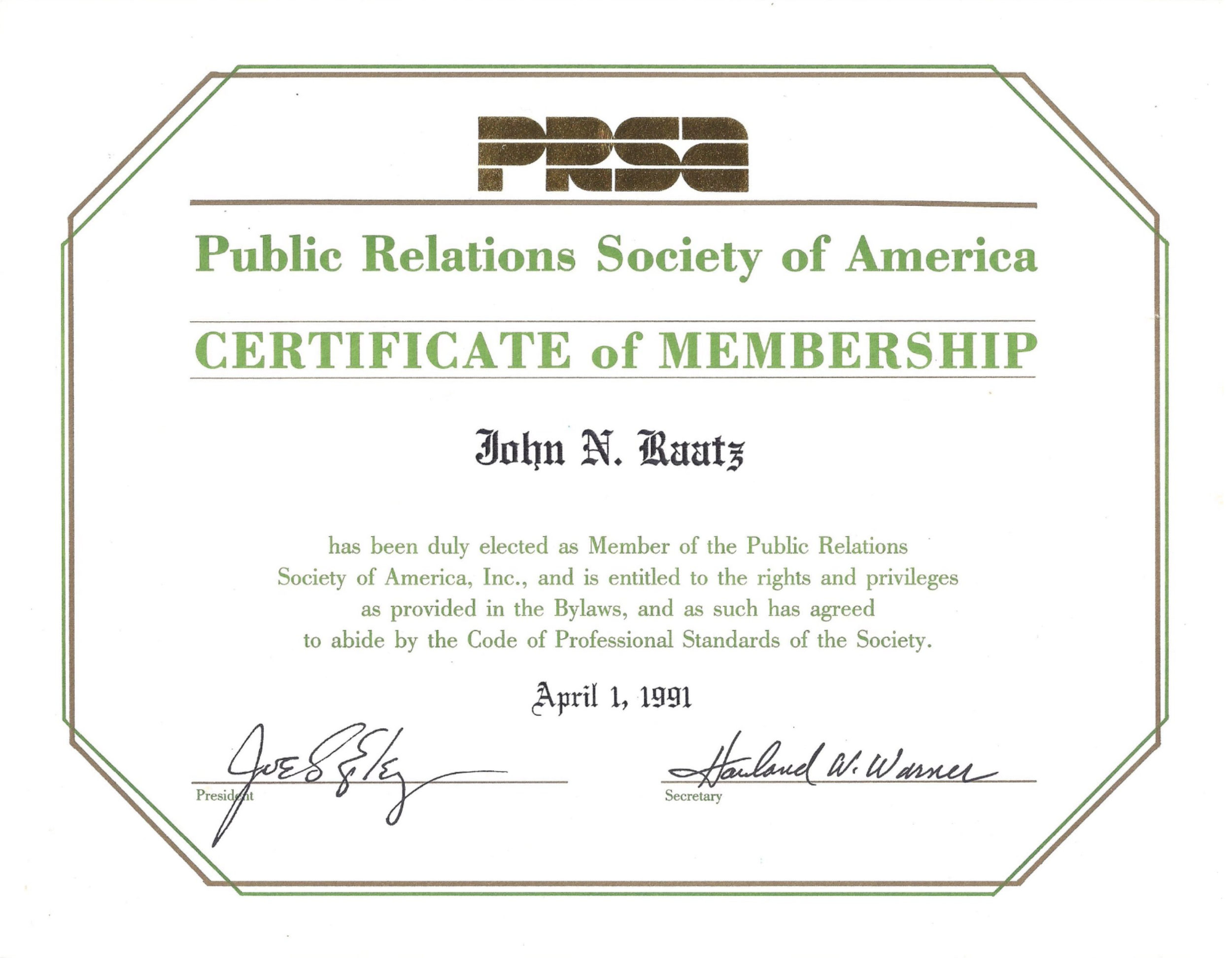
My path into public relations began unexpectedly with a gift from Ned. He gave me a copy of Lesly’s Handbook of Public Relations and suggested that I might make a good PR person. Curious about his insight, I read the book carefully, began researching the field, and spoke with several friends who had experience in public relations. The more I learned, the more intrigued I became. It seemed to combine creativity, strategy, communication, and relationship-building in ways that felt natural to me.
Encouraged by this growing interest, I decided to pursue formal training and enrolled in a public relations program at University of California, Los Angeles (UCLA). After several years of study, I completed the program and graduated with a Certificate in Public Relations.
As I studied and practiced the discipline, I realized that many aspects of PR aligned closely with my natural abilities and interests. I enjoyed connecting with people and introducing them to new ideas and experiences. I found satisfaction in helping worthy individuals, products, and causes gain the recognition they deserved. The field also drew on my creativity and strategic thinking—skills that allowed me to see possibilities and shape narratives that others might overlook.
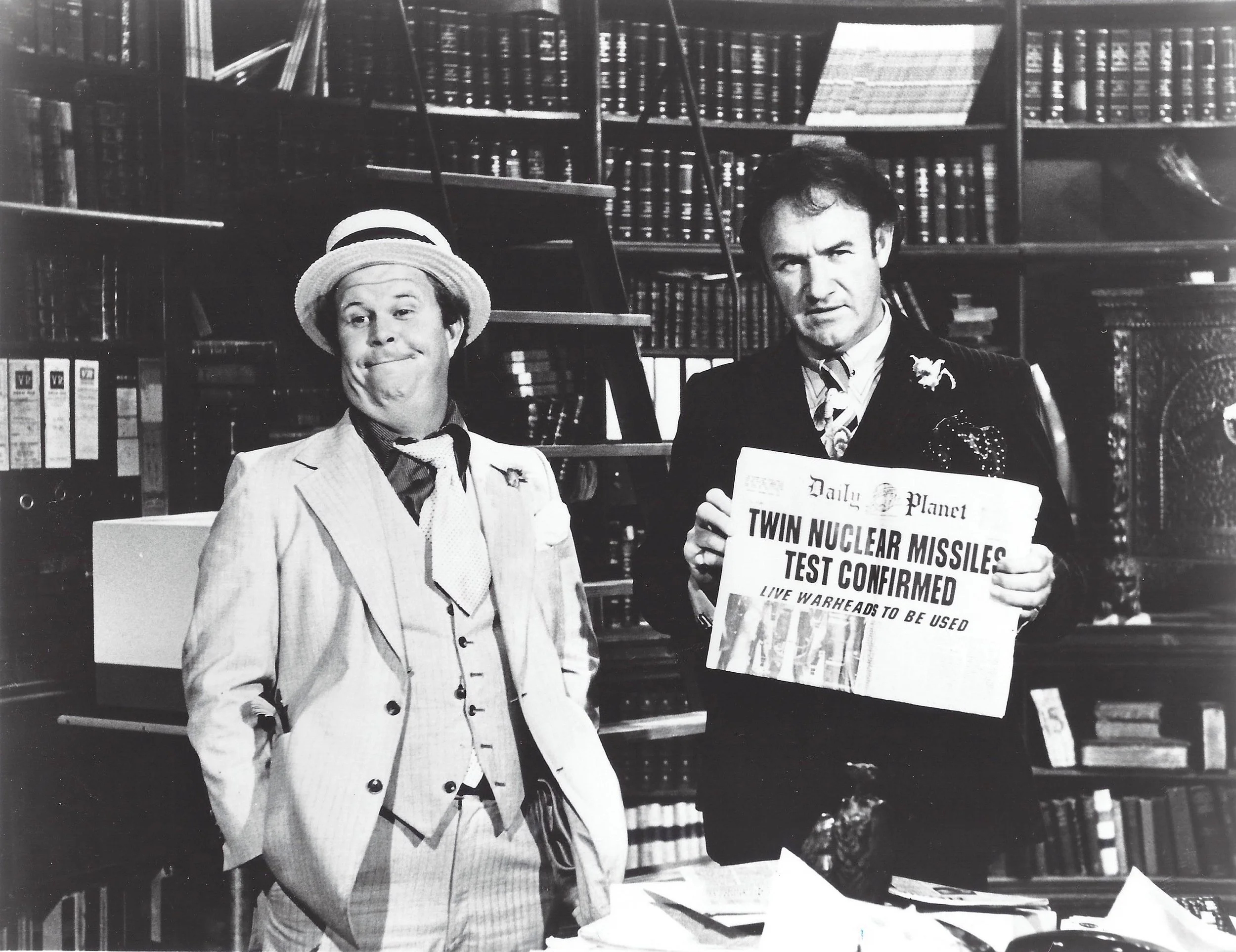

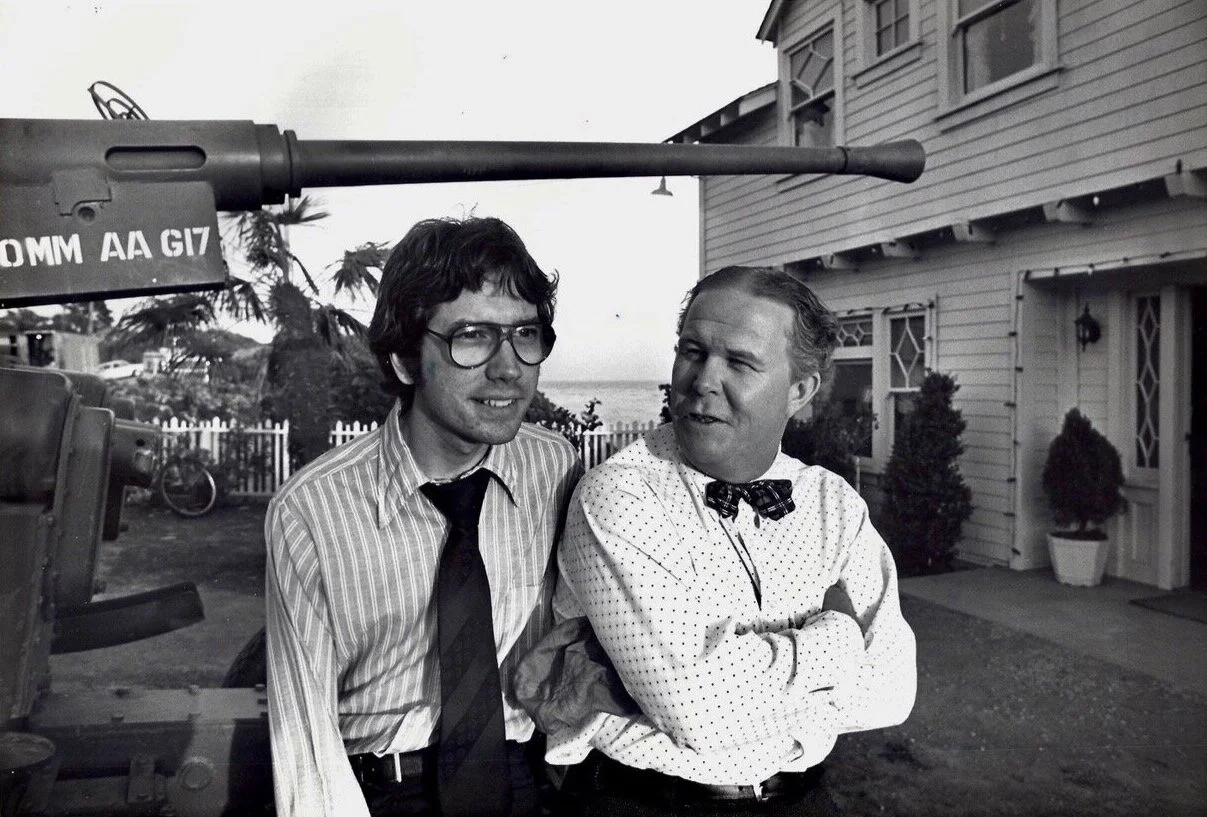
JOHN AND NED ON THE SET OF 1941
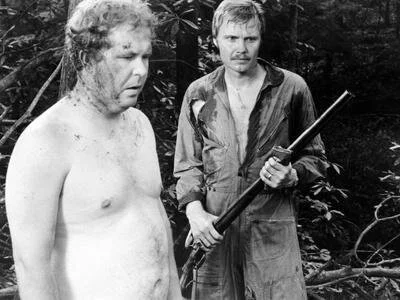
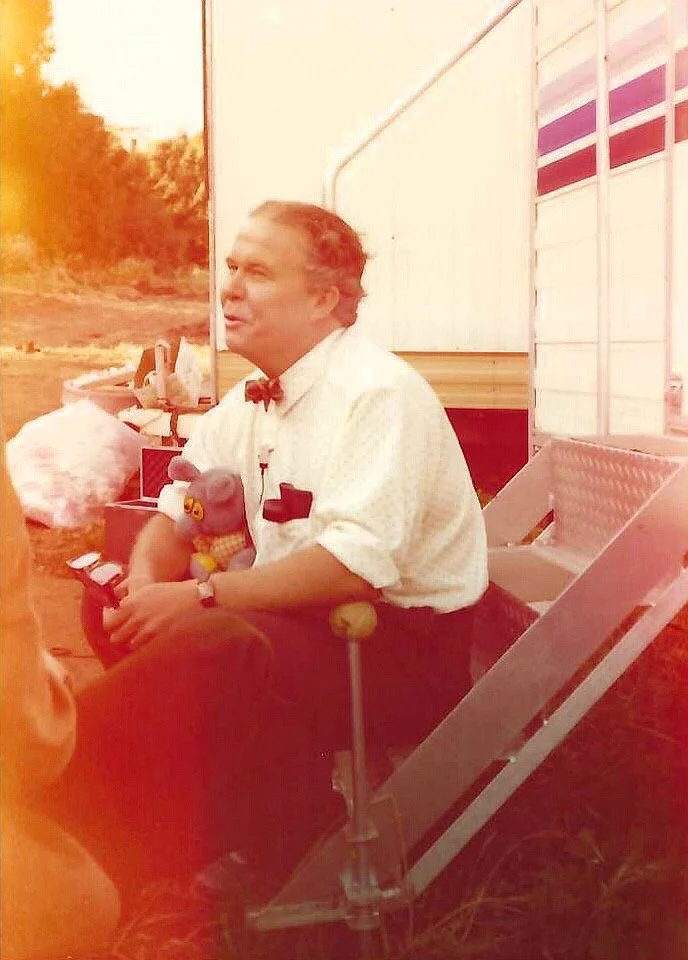
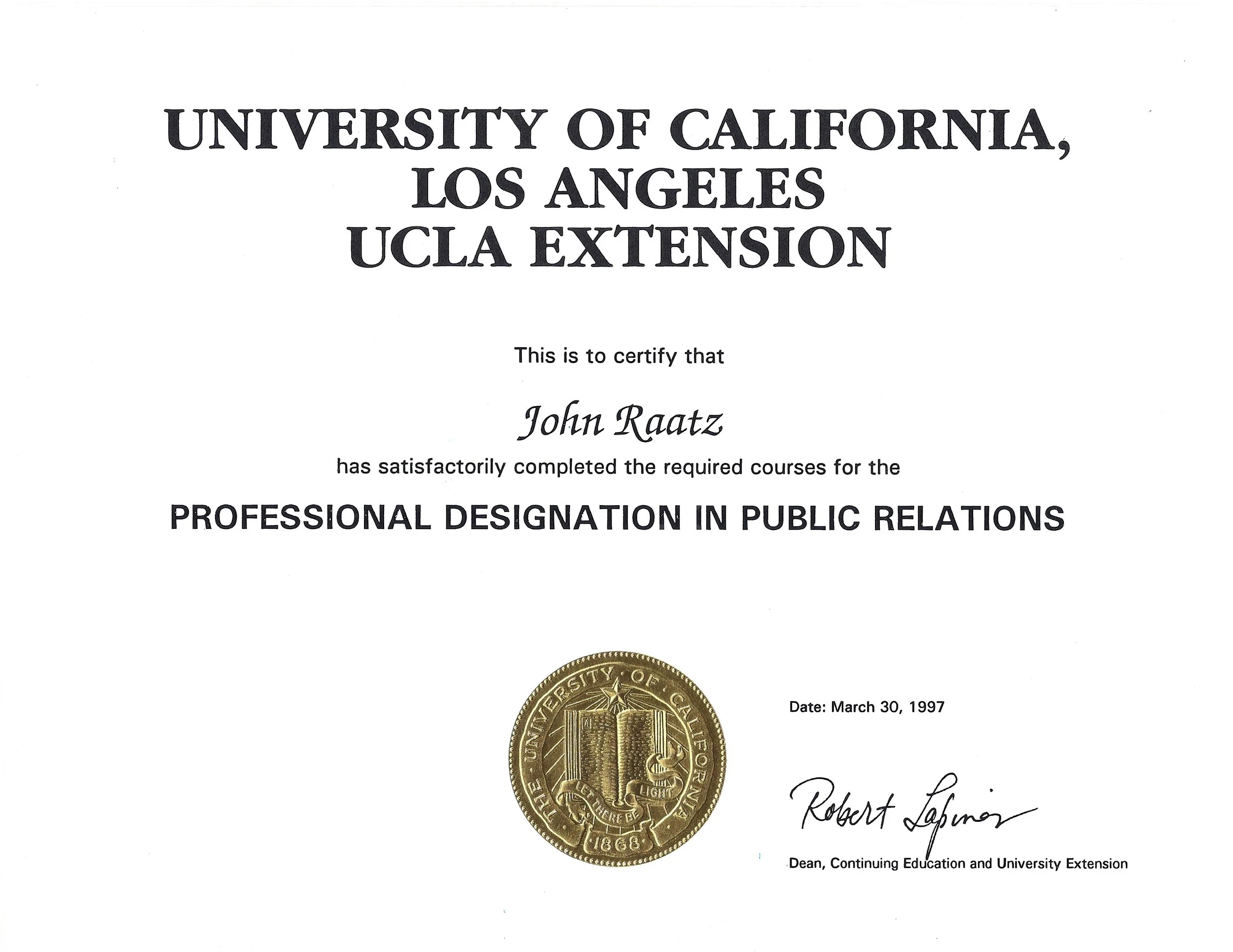
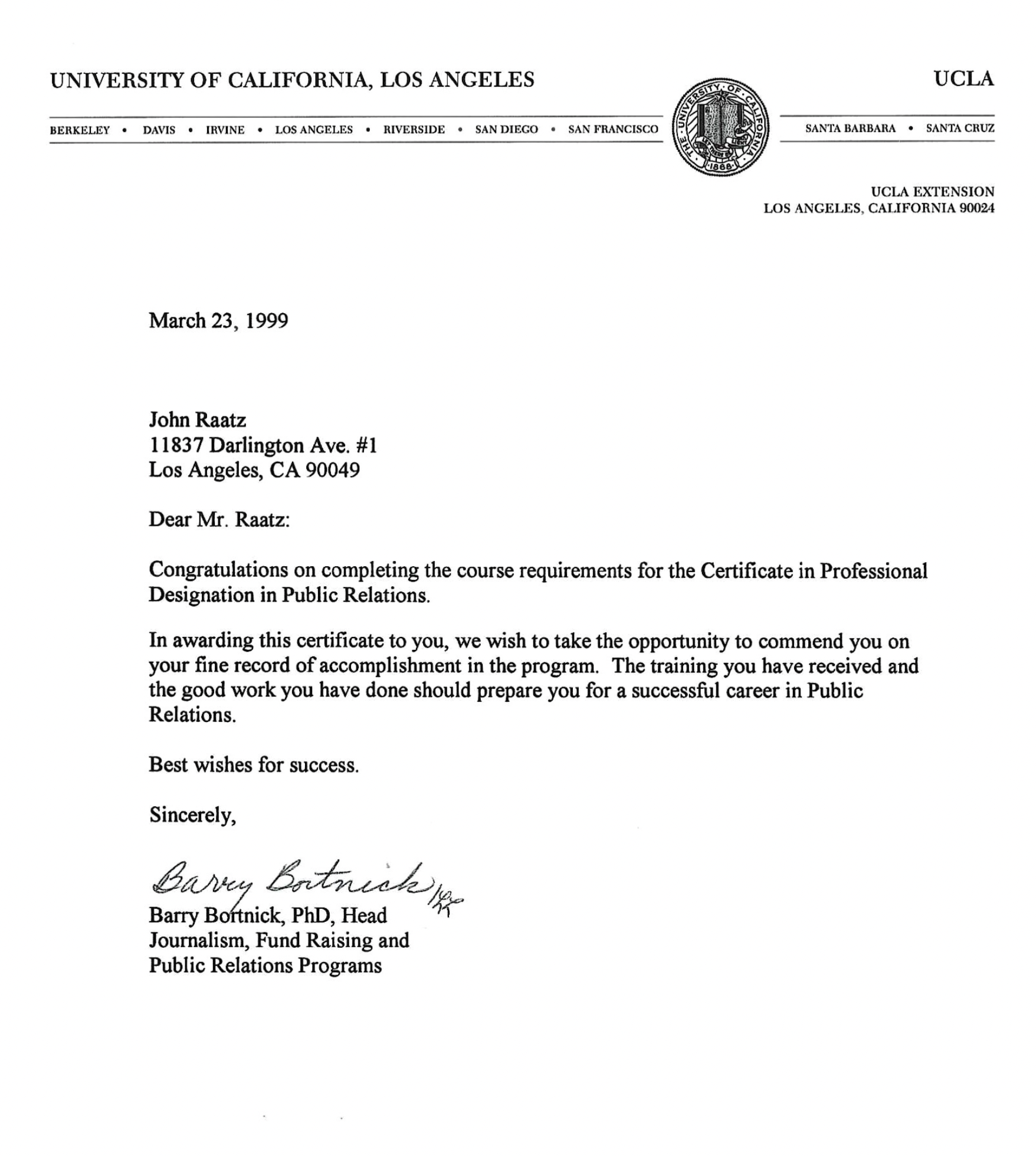
Communication came naturally to me as well. I was comfortable speaking in front of groups and had a knack for explaining abstract or complex ideas in ways that people could easily understand. Often, people told me that my speaking style was engaging and that the sound of my voice itself was calm and soothing—something that helped build trust and rapport when communicating with audiences.
Although I did not immediately start my own public relations firm, the knowledge and skills I gained through my studies proved valuable in every job and project I undertook. Public relations thinking—understanding audiences, shaping messages, and building meaningful connections—became a lens through which I approached many different endeavors.
In 1988, I founded Visioneering, a venture that brought together many of these ideas and skills. Over the years it has experienced both challenges and successes, yet it has remained a constant presence in my professional life. Through changing times and circumstances, Visioneering has endured and continues to serve me well to this day.
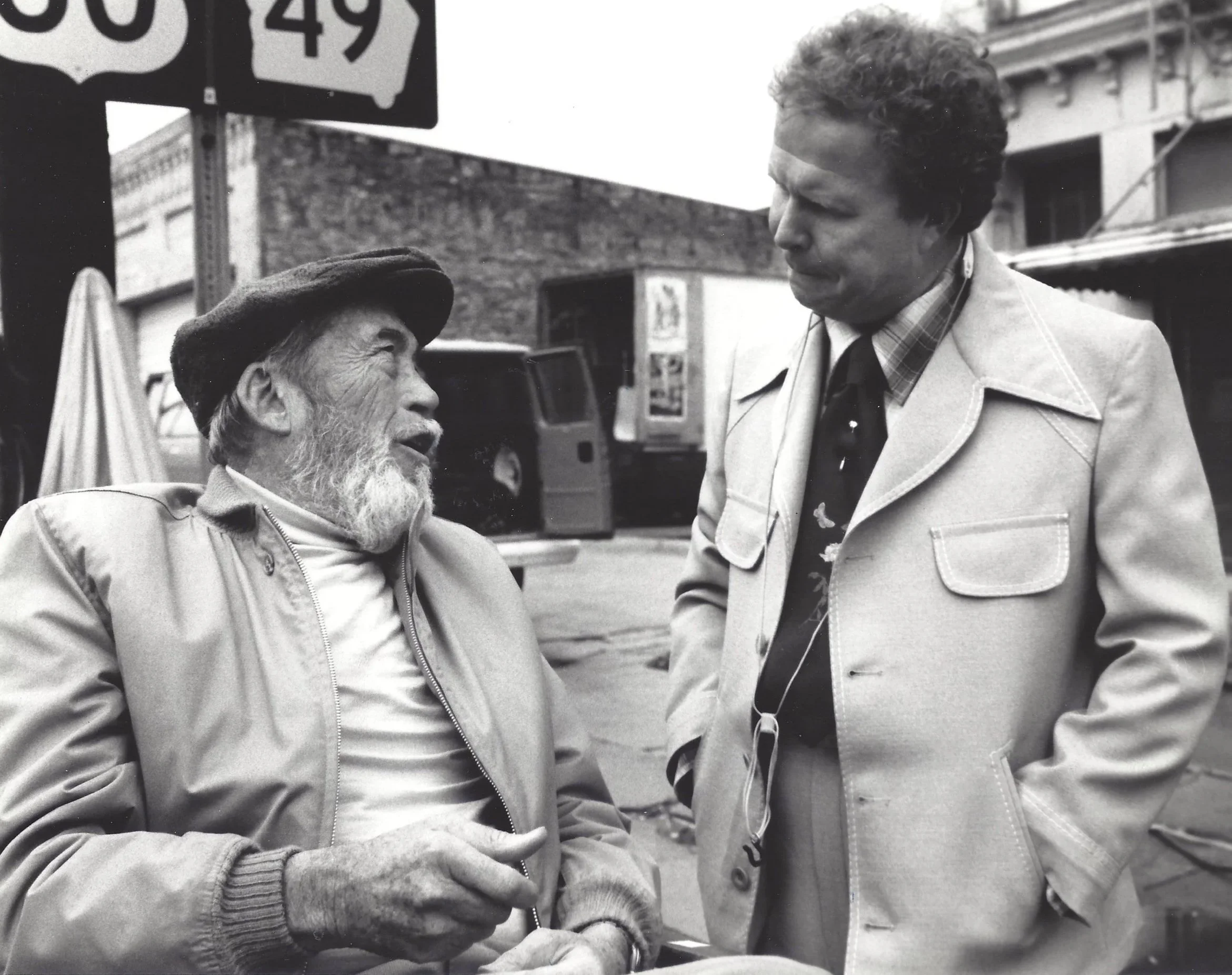
1979: A Management Door Opens: Henry Lewy, Joni Mitchell, and the First Steps
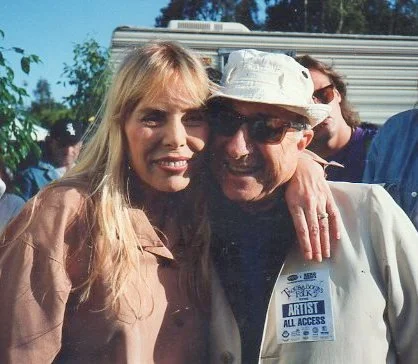
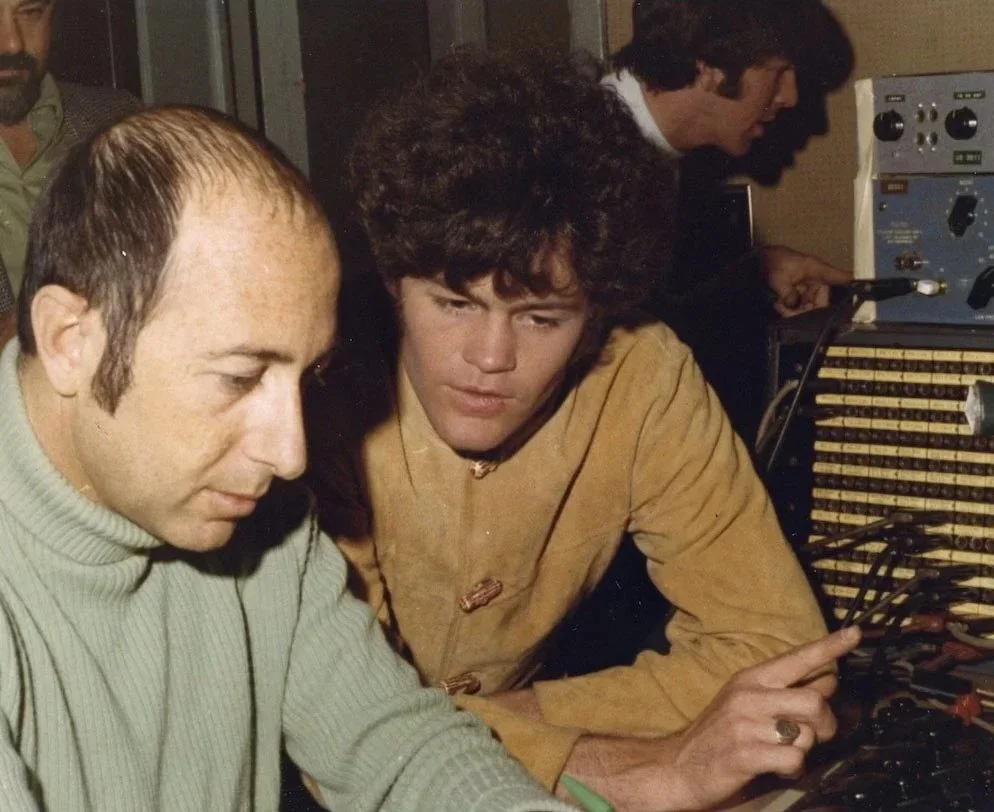
At first, I felt intimidated. I sat near her but didn’t know how to enter the conversation. It seemed almost presumptuous to insert myself into the orbit of someone whose music had already shaped an entire generation.
But at one point during the evening she turned toward me with curiosity.
“So,” she asked, “what do you do?”
I admitted that I was a budding personal manager, just beginning to work with artists.
She leaned in slightly, interested.
What followed was a conversation I never forgot. Joni spoke candidly about the complexities of an artist’s life—the pressures, the industry expectations, and the delicate balance between commerce and authenticity. Her words were thoughtful, generous, and surprisingly direct.
For a young manager just finding his way, it felt like receiving guidance from someone who had already traveled the road.
Years passed.
My life and career moved forward, branching into new experiences and unexpected encounters. One evening I attended an art event with Jim Carrey at a venue called The Board. The space was filled with creative energy—artists, collectors, actors, and musicians mingling among paintings and sculptures.
And then, across the room, I saw her again.
Joni Mitchell.
When we were introduced, I reminded her of that dinner years earlier with Henry. I told her how Henry had been one of my early mentors and how much that conversation had meant to me.
She looked at me thoughtfully and then asked, almost playfully,
“Do you remember what I told you?”
I did.
Among other pieces of wisdom, she had offered one idea that stayed with me throughout my career: be truthful with your artists, and support their vision—even when their choices run against the current trend. An artist flourishes when they are allowed to follow their own creative instincts.
It was advice that proved timeless
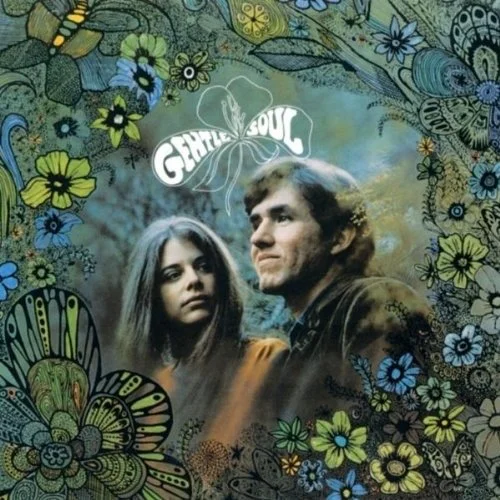
Henry also introduced me to another musician whose path intersected with the spiritual world of TM: Rick Stanley. Rick had once been a member of the group Gentle Soul and had recorded for Epic Records. By the time I met him, however, he had shifted directions. He had become a TM teacher and was considered something of a musical muse within the organization
Henry suggested that Rick and I collaborate.
So we did.
Working together with Rick became one of my earliest explorations into the craft of artist management—another opportunity that emerged from Henry’s quiet generosity and belief in my potential.
Looking back now, I can see how extraordinary those early moments were. At the time they felt almost casual: a conversation, a phone number, a dinner invitation. But in reality they were the building blocks of a career.
In the early days of my journey into the music business, before I had a track record or even much of a roadmap, one person quietly opened a door that would change everything: Henry Lewy.
Henry was already a legend in music circles. He had worked with The Monkees and was perhaps best known for his long and storied partnership with Joni Mitchell, producing many of her most celebrated recordings. Yet despite his stature, Henry carried himself with a gentle, thoughtful presence. There was nothing flashy about him—just the calm confidence of someone who had spent years listening closely, both to music and to people.
I knew Henry and his wife, Nadine, through the Los Angeles community surrounding Transcendental Meditation. Henry was a dedicated meditator, and Nadine was a teacher of the practice. The TM community in Los Angeles had a kind of quiet intimacy to it; musicians, artists, seekers, and professionals would cross paths in meditation halls, small gatherings, and conversations that wandered easily between spirituality and creativity.
Henry and I developed a warm friendship. He knew I was eager—almost restless—to find my place in the music business as a personal manager. At that stage I had the passion, but none of the credentials that normally open doors in that industry. Henry, however, saw something in my determination.
One afternoon, during a conversation that would turn out to be pivotal, Henry played me some music by a young singer named Sheree Brown.
The room filled with her voice—rich, soulful, and alive with emotion. When the song ended, Henry looked at me thoughtfully.
“She needs management,” he said simply. “And I think you would be a good manager for her.”
He explained that Sheree was also part of the TM community, which he felt would create an easy connection between us. Then he handed me her phone number.
“Call her,” he said.
There was no elaborate introduction, no industry intermediary—just trust.
I remember feeling a mixture of excitement and nervous anticipation when I picked up the phone to call her. In those days, a first call like that carried weight. There were no emails or texts to soften the moment; it was just two voices meeting across a line.
From the very beginning, the conversation flowed naturally. There was a sense of recognition between us—as though we were both aware that something important might grow from that call. By the end of the conversation, we had agreed to meet in person
When we finally sat down together, that initial spark deepened. We talked about music, her vision as an artist, the direction she wanted her career to take, and the possibilities ahead. By the time the meeting ended, we had made a decision.We would work together.
Sheree became my first client as a music manager. Looking back now, it feels almost fated. What began as a simple introduction through Henry turned into a partnership that proved auspicious, advantageous, and successful for both of us. But at the time, it simply felt like the first real step into the world I had been trying to enter.
Henry’s encouragement didn’t stop there.
One evening he invited a small group of friends—including Ned and Tinker Beatty—to join him for dinner with Joni Mitchell at a well-known local restaurant called Nucleus Nuance.
For someone just beginning to find his footing in the music world, the idea of sitting down to dinner with Joni Mitchell felt almost surreal.
When she arrived, the energy in the room shifted immediately. Joni had a presence that was both luminous and commanding. She carried herself with the kind of quiet intensity that artists sometimes possess—the sense that her attention was always observing, always absorbing.


CLICK BOOK TO READ
1979: The Bodhi Tree

The Bodhi Tree bookstore was an iconic institution in Los Angeles—one of the first metaphysical bookstores in the United States, and perhaps in the world.
Founded in the early 1970s by Stan Madson and Phil Thompson, it quickly became a cultural and spiritual hub. At a time when interest in metaphysical and spiritual ideas was rapidly expanding, the Bodhi Tree filled a growing need for books, knowledge, and community.
The store offered far more than books. Shelves held new and used titles on spirituality, philosophy, and consciousness, alongside music, magazines, card decks, meditation cushions, incense, candles, and spiritual accoutrements. There were also gifts, stained glass, artwork, tea, and light food. It was a place to browse slowly and discover something unexpected.
Soon after arriving in Los Angeles in 1979, I made my way to the Bodhi Tree. From that first visit until the store closed its doors in 2012, I was a frequent visitor. Over the years it became a second home—a place of grounding, solace, and connection.
The atmosphere was unmistakable: the quiet hum of conversation, the scent of incense drifting through the aisles, new age music playing softly, photographs of spiritual teachers hanging on the walls. There were chairs where visitors could sit, read, and sip tea while exploring ideas that stretched far beyond everyday life.
I attended countless events in the Bodhi Tree’s annex and met many friends during my visits. The store was more than a bookstore; it was a kind of sanctuary. It carried a certain vibration—a resonance created by the thousands of books and the intentions of the people who gathered there. When life in Los Angeles became challenging, the Bodhi Tree was a place to retreat. In many ways, it was a retreat.
Over time I became friends with Stan and Phil. Through my public relations work, I brought many clients to the Bodhi Tree for talks and events, and I frequently co-produced programs with them. In later years I also helped promote speakers and bring talent to the store.

CLICK BOOK TO READ

CLICK BOOK TO READ

CLICK BOOK TO READ
Many remarkable people passed through its doors. One of the most memorable was Donovan, who performed at the Bodhi Tree. When he was in Los Angeles he often stayed nearby, and he, Linda, and I spent time together at the store.
The Bodhi Tree was also a place where synchronicity seemed almost natural. Encounters with people, ideas, and books often occurred at just the right moment.
One experience stands out vividly. One Sunday afternoon I felt a strong and unusual urge to go to the Bodhi Tree. I typically visited on Saturday evenings, but that day something drew me there.
When I arrived, I followed my usual ritual of browsing the new arrivals—except that day I started on the opposite side of the shelves and began reviewing the books from the bottom shelf upward. Suddenly, and inexplicably, a book from the top shelf fell to the ground.
I picked it up. On the cover was a photograph of Mother Meera. When I looked into her eyes, I felt something powerful and unmistakable. I immediately bought the book and went home to read it. By the time I finished, I knew she would play a role in my life. Soon afterward I booked a flight to Germany to meet her.
Experiences like this were part of what made the Bodhi Tree so meaningful. It was a place where ideas, knowledge, and people appeared at precisely the moment they were needed.
It was also where I discovered many books exploring the spiritual dimensions of music, sound, healing, art, and consciousness. Those works deeply influenced my thinking and helped shape the perspectives that later contributed to the founding of GATE.
The Bodhi Tree was not simply a bookstore. It was a living field of inquiry, connection, and discovery—a place where meaningful experiences naturally occurred.
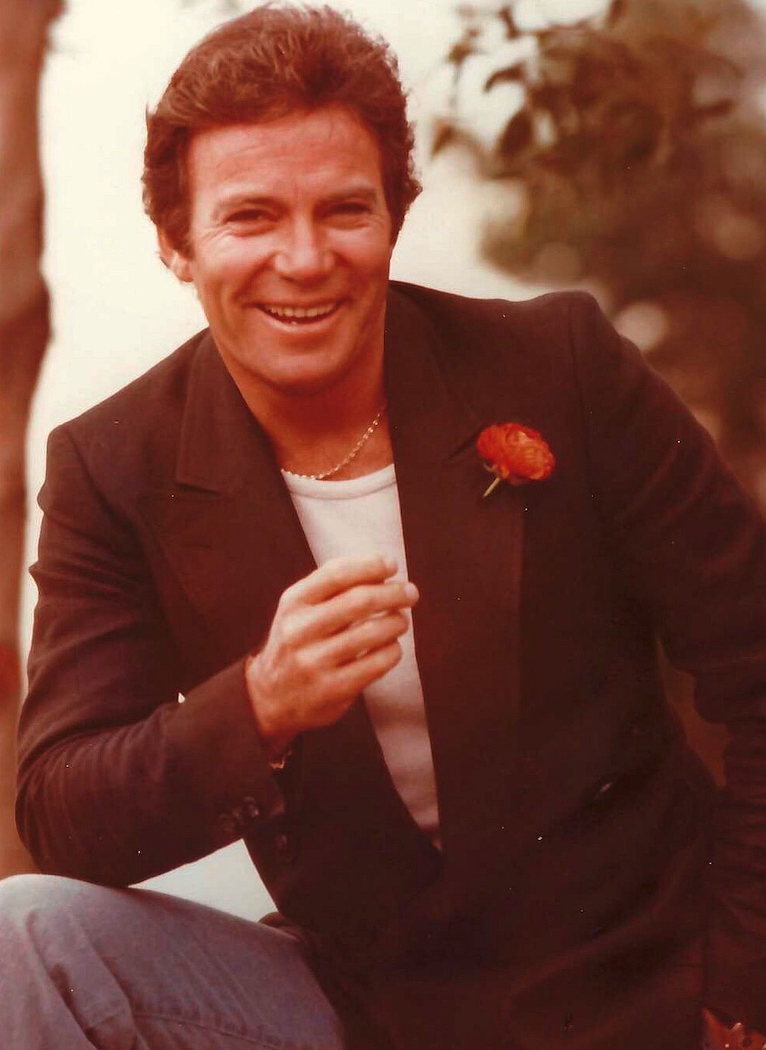
1980: WILLIAM SHATNER
In my early years in Los Angeles, the local community of practitioners of Transcendental Meditation—known simply among us as “TM”—became far more than a meditation circle. It was a living network of friendship, support, and opportunity. For someone new to the city, it provided a sense of belonging that Los Angeles, with all its scale and anonymity, rarely offers so easily. Through this close-knit group of meditators I found camaraderie, meaningful connections, professional contacts, and unexpected openings that would shape the course of my life.
Looking back, I sometimes shudder to imagine how differently my path might have unfolded without that community. In a city famous for reinvention and reinvention’s darker companion—loneliness—the TM group functioned as an anchor. People looked out for one another. Introductions were made. Opportunities circulated. Conversations after group meditations often led to friendships, collaborations, or work. It was a kind of quiet social ecosystem, bound together not by ambition alone but by a shared commitment to inner development.
It was within that circle that I met my first wife. She was an aspiring actress—talented, driven, and immersed in the entertainment world that defines so much of Los Angeles life. To support herself, she worked as a legal secretary and assistant to one of the principals in a prominent entertainment law firm. The firm represented an impressive roster of musicians and artists, including Steve Miller, Crosby, Stills & Nash, and Emmylou Harris, along with numerous professional session musicians whose work quietly shaped the sound of American popular music.
Through her professional and social circles we encountered people from many different walks of life—artists, executives, entrepreneurs, and creative professionals—many of whom were also meditators. One of her friends, for example, was a well-known real estate developer who practiced TM and moved comfortably in both business and cultural circles.
One day this developer approached my wife with a request. A close friend of his wanted to learn TM, and he wondered if she could recommend a qualified teacher. My wife suggested me, and a meeting was arranged so I could introduce the practice to the prospective student.
When I arrived at the meeting, I discovered that the “friend” was none other than the actor William Shatner. At the time he was already widely recognized for his role as Captain James T. Kirk on the television series Star Trek. I visited his family home and gave an introductory talk on TM, explaining the philosophy and the mechanics of the practice. The conversation was warm and engaging. By the end of our discussion, he and members of his family decided they wanted to begin right away.
We scheduled the instruction, and shortly afterward I had the privilege of teaching him and several members of his family how to practice Transcendental Meditation.
Following the instruction, he surprised me with an offer: he asked if I would be interested in working as his assistant. The role, as it turned out, was less glamorous than the title suggested—it often involved running errands and handling practical day-to-day tasks. In truth, it was closer to being an errand runner than a traditional assistant.
Still, I accepted the position. I regarded it as temporary, but I also saw it as an opportunity—another experience that would broaden my understanding of the entertainment world and add an unusual chapter to my professional résumé. In Los Angeles, one never quite knows which introductions or experiences will matter later, and I had already learned that unexpected connections often lead to the most interesting stories.
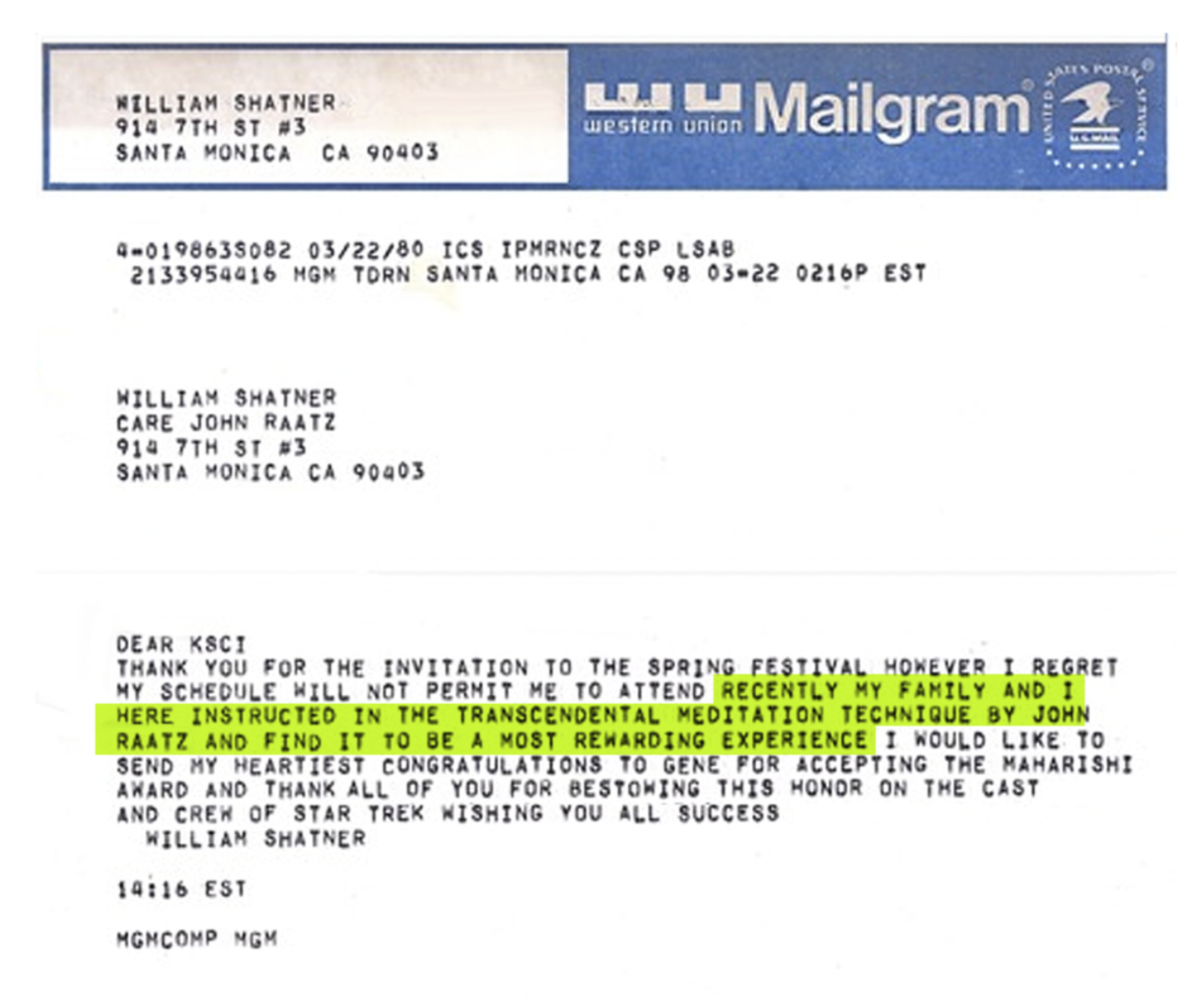


1980: Academy of Science Fiction Fantasy & Horror Films
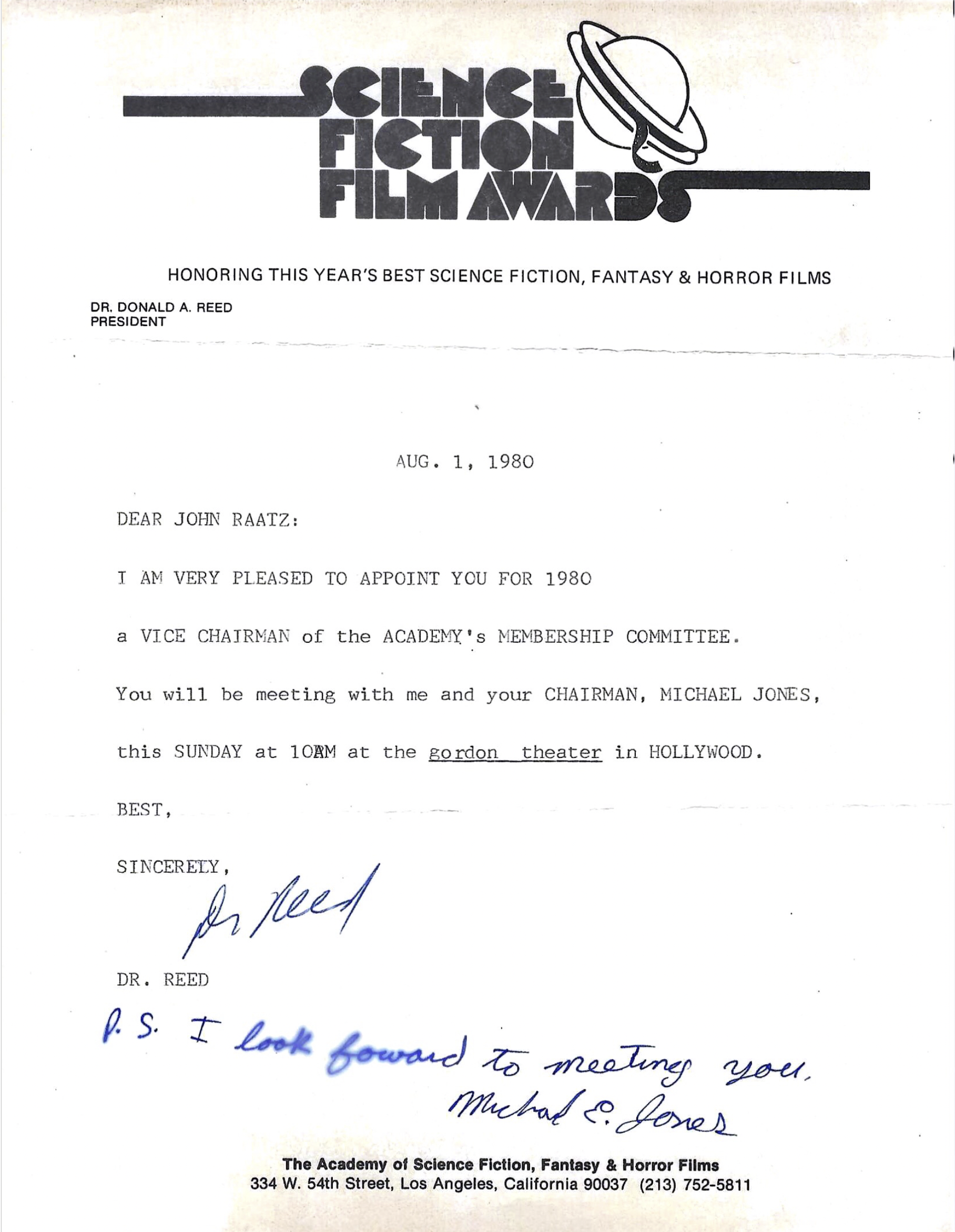


Yes, he was eccentric. But he was also unmistakably a visionary.
What others dismissed as fringe entertainment, he saw as an entire universe of storytelling that deserved its own celebration and honors. His passion eventually led to the creation of what would become the Saturn Awards, recognizing achievements in genres the traditional awards establishments often overlooked.
Visiting Dr. Reed at his home was always an experience unto itself.
The word “collection” hardly did it justice. His house felt more like a private museum—overflowing with rare memorabilia, artifacts, souvenirs, keepsakes, relics, collectibles, and fragile pieces of Hollywood ephemera. Much of it came from the golden age of genre filmmaking.
Posters. Props. Photographs. Programs. Promotional oddities from forgotten premieres. Objects that had passed through studios, theaters, and collectors before finding their way into his care.
And everywhere you looked, there was history.
For anyone who loved movies—especially science fiction, fantasy, and horror—it was overwhelming and awe-inspiring. Standing among those artifacts, you could almost feel the accumulated energy of entertainment history. These physical objects had traveled through decades of creativity and imagination, carrying with them the echoes of the people who had made and loved those films.
You didn’t just look at the objects.
You absorbed them.
Although my work with the Academy was relatively short-lived—my career path soon pulling me closer and closer toward my ultimate goal of becoming a manager—it proved to be an invaluable experience. It gave me another vantage point from which to observe the entertainment industry and the remarkable range of personalities that shaped it.
Los Angeles was already revealing itself to be a city of dreamers, entrepreneurs, eccentrics, artists, opportunists, and visionaries.
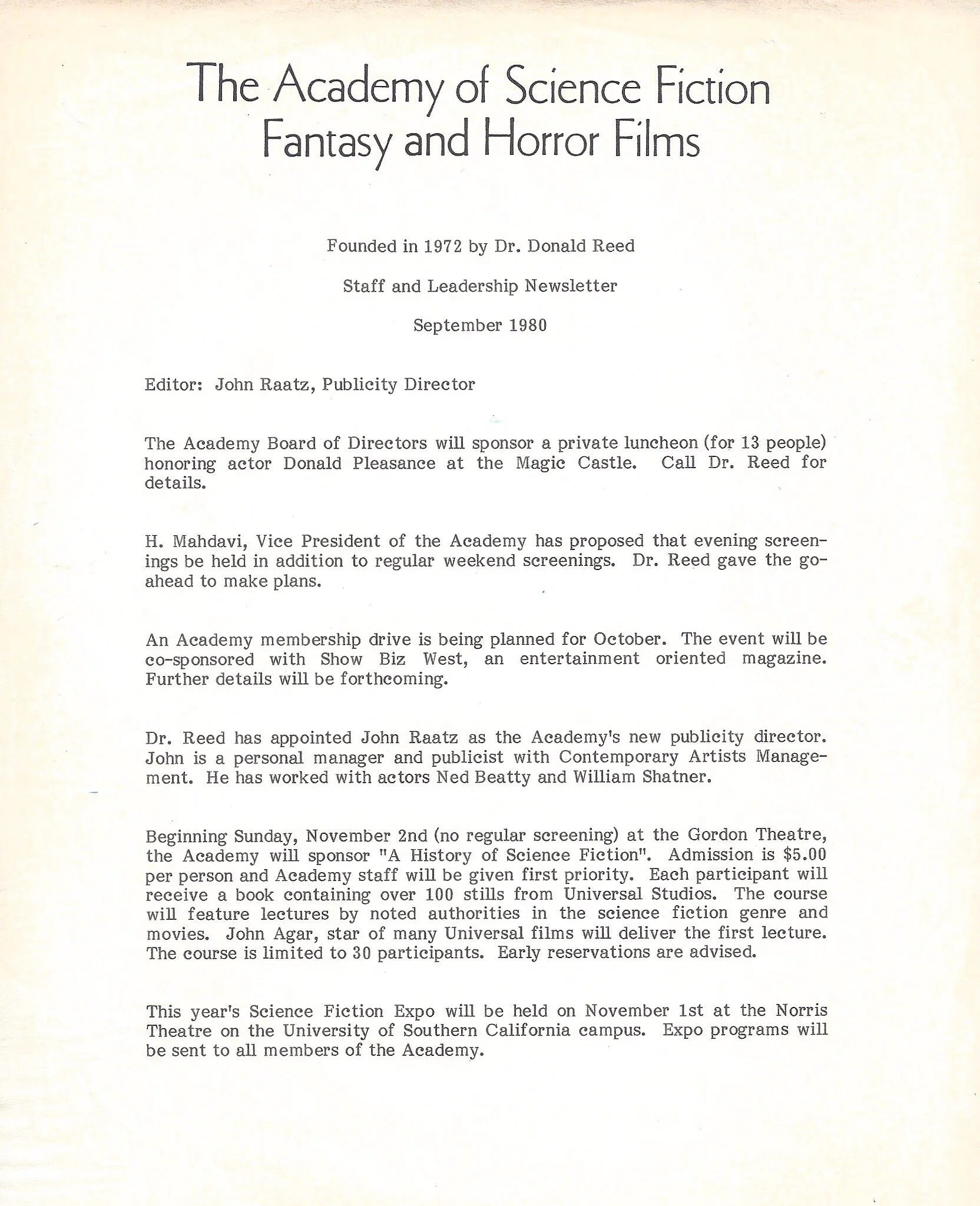
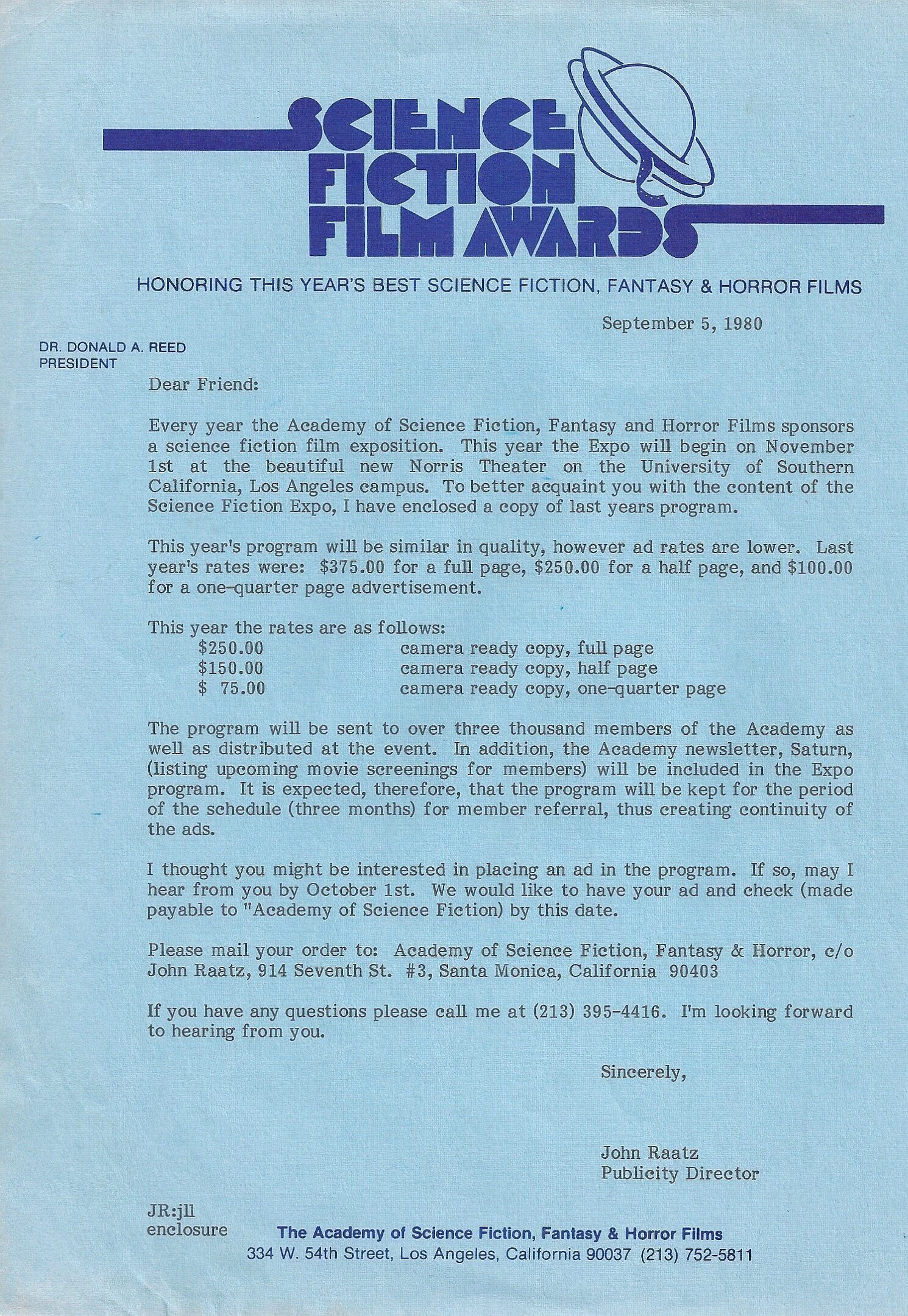
Dr. Donald Reed
One of the most interesting people I met during my early years in Los Angeles was Dr. Donald A. Reed. In many ways, he was my first real encounter with a truly natural eccentric—a personality that seemed almost native to the landscape of Hollywood’s more imaginative corners.
Dr. Reed was many things at once: artistic and entrepreneurial, scholarly and fanatical in the best sense of the word. He was an ardent champion of the unusual and the avant-garde, an obsessive collector, and a tireless promoter of genres that much of the entertainment industry still treated as curiosities rather than legitimate art. Science fiction, fantasy, and horror were not merely entertainment to him; they were cultural treasures worthy of recognition and preservation.
When I first learned about the Academy of Science Fiction, Fantasy and Horror Films, which he had founded, I felt an immediate personal connection to its mission. The Academy existed to celebrate a realm of storytelling that had long been marginalized by the more traditional arbiters of Hollywood prestige.
On impulse—and with the kind of boldness that often comes from not knowing any better—I cold-called Dr. Reed.
To my surprise, he answered personally. Even more surprising was his warmth. He was exceedingly kind, open, and trusting with a complete stranger who simply expressed enthusiasm for what he had created.
He invited me to meet him.
During that first meeting, he did something that would become a pattern in my early career: he took a chance on me. Before long, he invited me to work with him and the Academy as membership director and publicist.
At that time, the organization was still fighting for recognition. The genres it celebrated—science fiction, fantasy, and horror—were not yet embraced by the mainstream industry in the way they would be decades later. In those early days, our outreach efforts were often met with indifference or polite disinterest from many corners of the entertainment business.
Some people in positions of power simply didn’t know what to make of Dr. Reed.